TL;DR
A new guide recommends turning a shallow saucer into a bee refuge during heatwaves. This simple, quick method provides bees with water and shade, aiding their survival amid rising temperatures.
Environmental advocates and gardeners are urging people to help bees survive extreme summer heat by turning a shallow saucer into a water source and refuge, a simple action that can be done in just minutes.
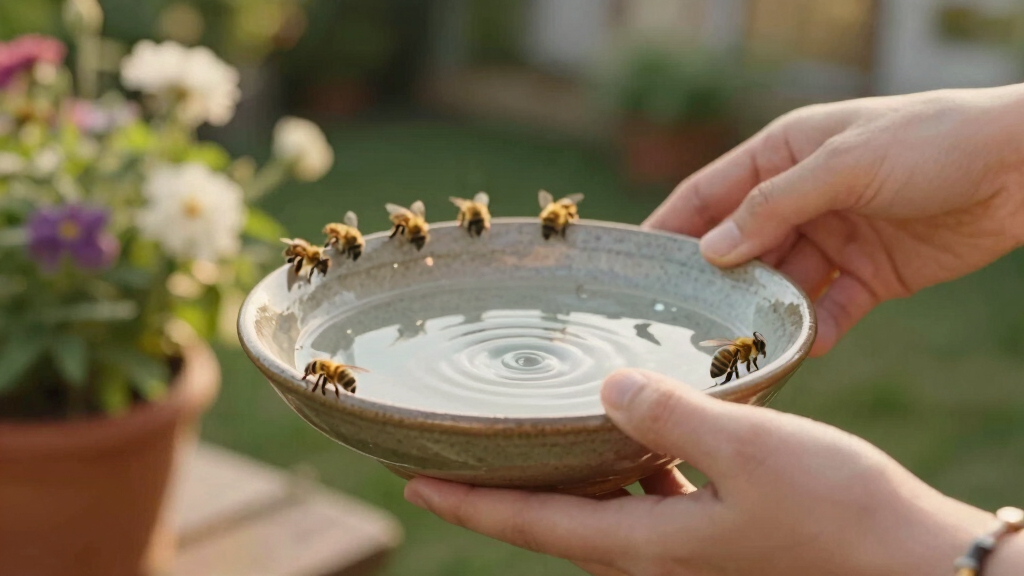
According to recent guidance from garden conservation groups, placing a shallow saucer filled with water and pebbles outside can provide vital hydration and a resting spot for bees during heatwaves. This method is easy to implement, requiring only a few minutes to set up, and is recommended as a practical way for individuals to contribute to bee conservation during the summer months.
Experts emphasize that bees need accessible water sources during hot days when natural sources may dry up. The saucer should be placed in a shaded, safe area away from predators. The water should be replenished regularly, and pebbles or small stones should be added to give bees a landing platform, preventing drowning.
This advice aligns with ongoing efforts to support pollinator health amid climate change, which has led to more frequent and intense heatwaves impacting bee populations worldwide.
Why Providing Water During Heatwaves Is Critical for Bees
As climate change causes more frequent and severe heatwaves, bee populations face increased risks of dehydration and mortality. Small actions like placing a saucer with water and stones can significantly improve their chances of survival. Bees play a crucial role in pollination, vital for agriculture and ecosystem health, making their protection essential for food security and biodiversity.
By encouraging individual participation, conservation groups aim to mitigate some of the adverse effects of extreme weather on pollinators, supporting broader ecological resilience.

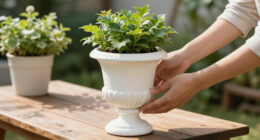
Bee and Insect Watering Station for Garden, Pollinator Water Dish,Yellow
- Decorative Water Bowl: Adds charm to gardens and patios
- Elevated Design: Features raised shapes for visual interest
- Easy to Maintain: Simple to refill and clean
As an affiliate, we earn on qualifying purchases.
As an affiliate, we earn on qualifying purchases.
Increasing Heatwaves and the Impact on Pollinators
Recent summers have seen a rise in heatwave frequency and intensity, with many natural water sources drying up earlier than usual. This environmental shift has led to increased bee mortality, as they rely on accessible water for hydration and cooling. Conservation organizations have been advocating for simple, practical measures to help pollinators cope with these conditions, including providing water sources in urban and rural areas.
Previous campaigns have focused on planting bee-friendly flowers and reducing pesticide use, but ensuring water availability during heat stress is now gaining attention as a critical step to support bee survival.
“A shallow saucer with water and pebbles is a quick, effective way for individuals to help bees during extreme heat. It’s easy to set up and can save lives.”
— Jane Smith, Bee Conservation Expert
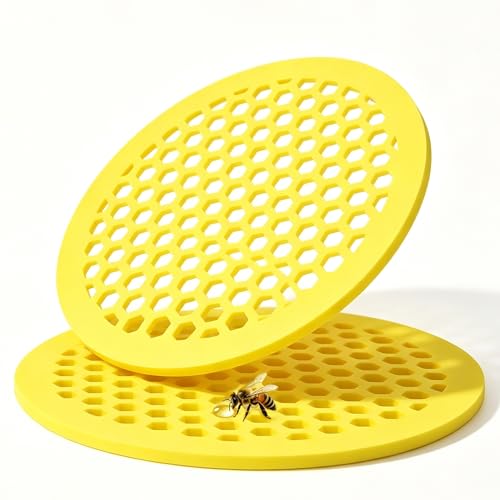
Elempony 2PCS Bee Watering Station for Garden, Floating Bee Water Feeder, EVA Foam Water Station for Outdoor Garden, Butterfly Feeder, Water Dish for Bird Bath, Pond, Patio, Pollinator Water Float
- Set Includes Two Stations: Two 7.87-inch diameter water stations
- Durable EVA Foam Material: Waterproof, buoyant, long-lasting foam
- Safe Honeycomb Landing Surface: Anti-slip textured surface for bees and butterflies
As an affiliate, we earn on qualifying purchases.
As an affiliate, we earn on qualifying purchases.
Uncertainties About Long-Term Effectiveness and Best Practices
While the immediate benefits of placing saucers with water and stones are clear, it is not yet confirmed how effective this method is over the long term or how frequently water needs to be refreshed for maximum benefit. Ongoing research is needed to optimize this practice and understand its impact on different bee species.As an affiliate, we earn on qualifying purchases.
Next Steps in Supporting Pollinators During Heatwaves
Researchers and conservation groups plan to monitor the outcomes of widespread adoption of this simple method during the current summer season. They aim to gather data on bee survival rates and refine guidelines for best practices. Public education campaigns are expected to continue, encouraging more individuals to participate in pollinator support efforts.
Further studies may explore additional measures, such as providing shade or planting bee-friendly flora, to complement water stations and improve pollinator resilience amid climate change.

Abtanx 4 Pack Bee Watering Station, Bee Feeder Metal Butterfly Water Feeder
- Eye-catching Flower Design: Bright colors attract bees and butterflies
- Easy Installation: No tools needed, simple to set up
- Adjustable Height: Customize height with rod diameter
As an affiliate, we earn on qualifying purchases.
As an affiliate, we earn on qualifying purchases.
Key Questions
How do I set up a bee-friendly water station using a saucer?
Fill a shallow saucer with clean water, add small pebbles or stones to create a landing platform, and place it in a shaded, safe area. Replenish the water regularly to keep it fresh.
Can I use any container as a bee water station?
Yes, but shallow containers like saucers or small trays are best to prevent drowning. Ensure the container is stable and placed in a shaded location.
Is this method effective for all types of bees?
This method primarily benefits native pollinators and honeybees. Its effectiveness varies among species, but providing water generally helps all pollinators during heat stress.
How often should I change the water in the saucer?
Replenish the water daily or whenever it appears dirty or evaporated, especially during hot, dry weather.
Are there any risks or precautions I should be aware of?
Ensure the water source is clean to prevent disease transmission. Place the saucer in a safe, predator-free area, and avoid using chemicals or pesticides nearby.
Source: rss