
TL;DR
A newly circulated gardening guide sets out six August care tasks for orchid growers, arguing that late-summer work on repotting, feeding, light and watering determines whether plants rebloom in fall and winter. The advice is standard horticultural practice, though results vary by species and growing conditions.
A seasonal gardening guide published this week lays out six August tasks that orchid owners should complete now to keep plants blooming through fall and winter, when most houseplant orchids enter their natural flowering cycle. The advice centers on a narrow late-summer window: after the main summer growth flush but before shorter days trigger dormancy signals. You can learn more about refreshing hanging baskets to keep your garden vibrant.
The guide identifies repotting as the first priority. August is presented as one of the last safe months to repot moth orchids (Phalaenopsis) and similar houseplant varieties, because roots can still recover in warm temperatures and lengthening-root growth before winter. Repotting later, the guide says, risks root stress the plant cannot repair before dormancy.
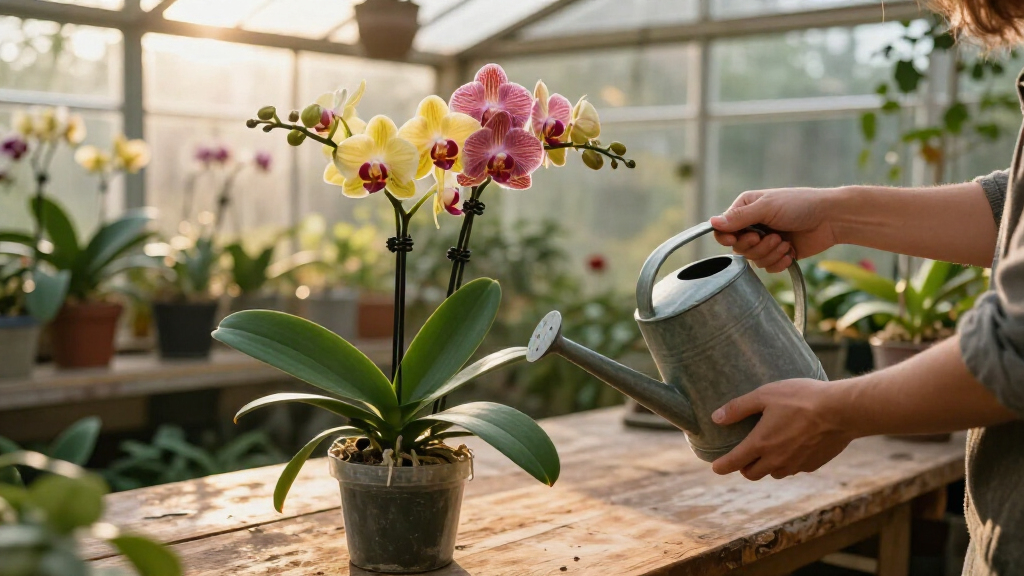
The remaining tasks focus on setting up the bloom trigger. The guide recommends a balanced fertilizer application or a bloom-boosting formula higher in phosphorus in late summer, a gradual increase in light exposure as daylight hours shorten, a careful check of watering habits to avoid waterlogged roots in cooler weather, cleaning leaves and checking for pests that flourish in late-summer heat, and trimming old flower spikes at the right node to encourage secondary blooming.
According to the guide, the combination matters more than any single step: orchids that receive consistent late-summer feeding and gradually brighter, cooler conditions are the ones most likely to produce flower spikes from October through February. A slight nighttime temperature drop in early fall — often naturally provided by open windows — is cited as the key bloom trigger for Phalaenopsis.
Why Late Summer Shapes Winter Flowers
Orchids are among the most commonly abandoned houseplants precisely because they flower once and rarely rebloom under casual care. The guide’s core message is that August behavior determines winter results: flower spikes for many popular varieties are initiated in late summer and early fall, so missed feeding, overdue repotting or fading light in August directly reduces blooming months later.
For growers, the practical stakes are modest but real — a healthy mature moth orchid can rebloom annually for years with correct seasonal timing, while a neglected one may produce only leaves. The six-task framing condenses what is normally scattered across horticultural extension advice into a single late-summer checklist, which is why the guide has circulated widely among gardening audiences this month.
As an affiliate, we earn on qualifying purchases.
How Orchid Bloom Cycles Work
Most houseplant orchids, particularly Phalaenopsis, bloom naturally in winter and early spring, triggered by shorter days and a nighttime temperature drop of roughly 10 degrees Fahrenheit (about 5–6 degrees Celsius). They typically rest after flowering in spring, grow leaves and roots through summer, and initiate spikes in fall. Horticultural extension services, including university programs in the United States, have long advised late-summer feeding and autumn repotting windows on this basis.
The August checklist builds on that established cycle. Repotting guidance — typically every one to two years in fresh bark or sphagnum mix — reflects standard practice, as orchid potting media decompose and suffocate roots if left too long. American Orchid Society care recommendations align with the guide’s emphasis on bright, indirect light and media that dries between waterings.
“Most houseplant orchids bloom on a seasonal cycle tied to day length and nighttime temperature drops.”
— American Orchid Society care guidance (general)
As an affiliate, we earn on qualifying purchases.
Where Results May Vary
The guide’s advice applies mainly to common houseplant orchids such as Phalaenopsis; other genera, including Cattleya, Dendrobium and Oncidium, have different dormancy and bloom triggers that August care alone may not address. It is not specified which climate or region the recommendations assume, and growers in very warm or very northern climates may need to adjust light and timing. Fertilizer brand, concentration and exact repotting technique are left to individual judgment, and the guide does not claim guaranteed reblooming — plant maturity, prior stress and overall health also govern whether a spike forms.
As an affiliate, we earn on qualifying purchases.
The Fall Bloom Countdown
Growers who complete the August tasks should watch for new flower spikes from late September through November — thin green shoots emerging from the base or a node on an old spike. As nights cool, the guide’s follow-through steps include maintaining bright indirect light, reducing watering frequency as growth slows, and staking new spikes once they reach several inches. Plants that show no spike by late fall can usually be encouraged the following spring after a full growth season.
As an affiliate, we earn on qualifying purchases.
Key Questions
Is August really the best month to repot orchids?
For most houseplant orchids like Phalaenopsis, late spring through August is the recommended repotting window because roots regrow quickly in warm weather. Later repotting risks root damage the plant cannot recover from before winter dormancy.
What triggers an orchid to bloom again?
A combination of shorter days and cooler nights — roughly a 10°F nighttime drop — typically initiates flower spikes in fall for moth orchids, provided the plant is mature and was fed adequately during summer growth.
Should I cut the old flower spike after blooms fall?
The guide recommends trimming at a node below where the last flowers appeared, which can encourage a secondary spike on a healthy plant. Cutting the spike entirely at the base conserves the plant’s energy for a stronger bloom the following season.
Do I need a special bloom fertilizer?
A higher-phosphorus ‘bloom booster’ formula is suggested for late summer, but standard balanced fertilizer at regular strength also works if applied consistently through the growing season.
What if my orchid doesn’t spike by winter?
Not every plant blooms every year. Immaturity, stress, insufficient light or recent repotting can delay flowering. Continue regular care and look for a spike the following fall after a full growth cycle.
Source: rss