
TL;DR

Get garden gear delivered free with Prime
- Fast, free delivery on millions of items
- Prime Video, Amazon Music and more included
- Member-only deals all year
Interest in attracting state birds to private yards is rising, driven by a trend in native plant gardening. Experts recommend planting specific native species to support local avian populations and improve bird sightings.
Growing native plants in residential yards is emerging as a popular way to attract local state birds, according to recent trend signals. Bird enthusiasts and gardeners are showing increased interest in planting specific native species to support local avian populations and enhance bird sightings in their communities. While this interest is rising, it is not yet confirmed whether this trend will lead to widespread changes in gardening practices or bird populations.
Recent data indicates a spike in online searches and social media posts about planting native species to attract state birds, such as the Northern Cardinal in the Southeast or the Eastern Bluebird in the Northeast. Experts note that native plants provide essential food sources and habitat for local birds, making yards more welcoming and increasing the likelihood of sightings. Several organizations and gardening groups are now promoting native plant gardening as a conservation effort that benefits both birds and ecosystems.
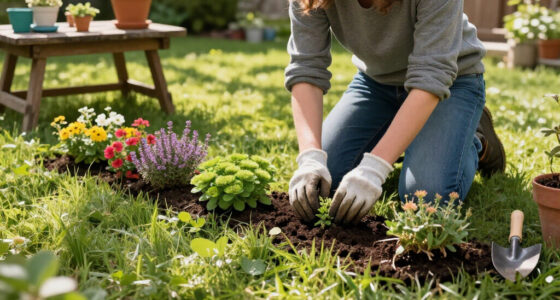
Specific plant recommendations vary by region but commonly include species like serviceberry, elderberry, coneflowers, and goldenrod. These plants provide nectar, berries, and seeds, which are vital food sources for many native birds. Experts emphasize that planting native species also supports broader ecological health by reducing invasive species and encouraging biodiversity. However, official studies confirming the direct impact of such planting on bird populations are limited, and the trend remains primarily observational at this stage.
Why Attracting Your State Bird Matters for Conservation
The rising interest in planting native species to attract state birds reflects a broader awareness of local conservation efforts. Supporting native bird populations can help maintain ecological balance, control insect pests, and promote biodiversity. For individual gardeners, creating bird-friendly habitats enhances outdoor enjoyment and fosters a connection to local ecosystems. While the trend is still developing, it signals a potential shift toward more environmentally conscious gardening practices that benefit native wildlife and promote regional conservation initiatives.
Products Worth Considering

Husqvarna 460 Rancher Gas Chainsaw, 24-Inch Bar

VEVOR 14-Pack Polycarbonate Greenhouse Panels, 2 × 4 ft

Orbit B-hyve XR 8-Zone Indoor/Outdoor Smart Sprinkler Controller
As an affiliate, we earn on qualifying purchases.
Native Plant Gardening and Bird Attraction Trends
The practice of planting native species to support local wildlife has gained traction over recent years, driven by increased environmental awareness and interest in sustainable gardening. Historically, native plants have been recognized for their adaptability and ecological benefits, but recent social media activity and search data suggest a growing movement focused on attracting specific regional birds. This trend appears to be fueled by a combination of conservation messaging, bird-watching hobbies, and a desire for more natural, low-maintenance gardens. However, the current surge in interest remains largely anecdotal, with no comprehensive studies yet confirming its long-term impact on bird populations.
Unconfirmed Impact of Native Planting on Bird Populations
While interest is rising, there is limited scientific data confirming that planting native species directly increases the presence of specific state birds in residential yards. It remains unclear whether this trend will significantly influence bird populations at regional or national levels or if it will lead to measurable conservation benefits. Researchers note that more studies are needed to evaluate the long-term ecological effects of this gardening shift.
Monitoring Trends and Promoting Native Plant Initiatives
Experts anticipate increased promotion of native plant gardening by conservation groups and local governments. Researchers plan to conduct studies to assess the actual impact of native planting on bird populations. Meanwhile, gardening centers and environmental organizations are expected to continue advocating for native species as a straightforward, accessible way for individuals to support local wildlife. Public participation and citizen science projects may also help track changes in bird sightings linked to native plant efforts.
Key Questions
Which native plants are best for attracting my state bird?
Recommendations vary by region, but common choices include serviceberry, elderberry, coneflowers, goldenrod, and native berry-producing shrubs. Local gardening guides or conservation groups can provide tailored advice.
Does planting native plants guarantee bird sightings?
No, planting native species increases habitat and food sources, but bird presence also depends on other factors like migration patterns, local habitat, and existing bird populations.
Are native plants easy to grow in urban or suburban yards?
Many native plants are adaptable and low-maintenance, especially when planted in suitable soil and light conditions. Local extension services can offer guidance on best practices.
Is there scientific evidence supporting the link between native planting and increased bird populations?
Currently, evidence is mostly anecdotal, with limited comprehensive scientific studies. More research is needed to confirm the long-term ecological benefits.
Source: rss