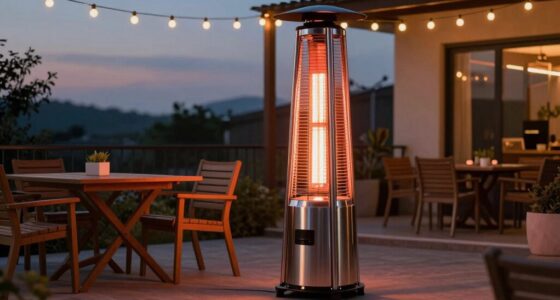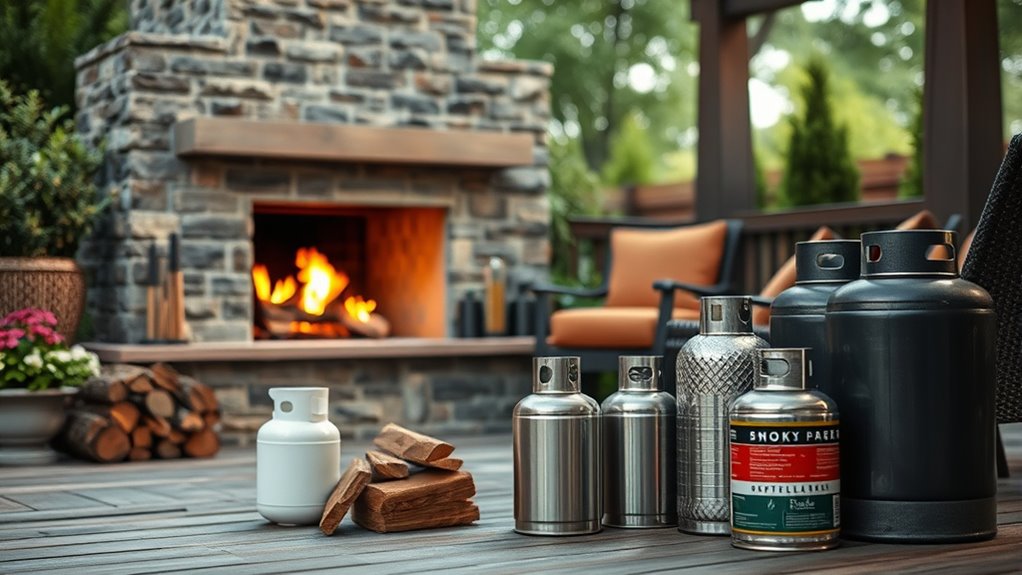

When installing an outdoor fireplace, choosing the right fuel type is key for safety and convenience. Consider wood for a traditional feel, gas for easy control, or electric for quick setup and minimal maintenance. Always prioritize proper installation, regular inspections, and safe fuel handling to prevent hazards. Following safety guidelines guarantees a smooth setup and enjoyable experience. Keep in mind, understanding each option’s safety tips will help you create a cozy, safe outdoor space.

Get garden gear delivered free — and shop member deals
- Fast, free delivery on millions of items
- Access to Prime Big Deal Days deals on October 6–7
- Prime Video, Amazon Music and more included
Key Takeaways
- Choose the appropriate fuel type (wood, gas, or electric) based on safety, convenience, and desired ambiance.
- Ensure proper installation by following manufacturer instructions and local building codes for safety compliance.
- Regularly inspect and maintain fuel systems, chimneys, or electrical components to prevent hazards and ensure efficient operation.
- Store fuel safely, such as wood in dry, ventilated areas and gas lines checked for leaks by professionals.
- Prioritize safety features like fire screens, proper clearance, and ventilation to minimize fire risks and smoke issues.

Thinking about adding an outdoor fireplace to your backyard? It’s an excellent way to enhance your outdoor decor and create a cozy gathering spot for family and friends. Before you get started, it’s important to consider the fuel type you’ll use, as this decision impacts safety, convenience, and the overall ambiance. Selecting the right fuel not only affects how you enjoy your outdoor fireplace but also influences the ongoing fireplace maintenance you’ll need to keep it functioning safely and efficiently.
If you opt for a wood-burning fireplace, you’re choosing a classic and authentic option that offers a warm, crackling fire. However, wood fireplaces require regular maintenance, including cleaning out ashes and creosote buildup, which can be a bit of a hassle. You’ll also need to be mindful of fire safety, ensuring the fire stays contained and that you clear away debris regularly. Wood fires produce smoke, so consider your outdoor space’s ventilation and your neighbors’ comfort. Properly stored wood and a well-maintained chimney will help limit smoke issues and improve safety.
Gas fireplaces, whether fueled by propane or natural gas, provide a cleaner, more convenient experience. They ignite quickly, require less cleanup, and allow for easy control of the flame with a remote or switch. Gas options are generally safer in terms of fire hazards, but it’s essential to have professional inspections and maintenance to check for leaks and ensure the gas lines are secure. This keeps your outdoor decor safe and ensures your fireplace functions smoothly year-round. Gas fireplaces also require less cleaning, making fireplace maintenance easier and more manageable, especially if you want to enjoy your outdoor space frequently without fuss.
Electric fireplaces are the simplest to install and maintain. They don’t produce real flames or smoke, making them a safer choice for many homeowners. With minimal upkeep, you just need to ensure the electrical components stay in good condition. While electric models may not provide the same ambiance as wood or gas fires, they still add charm to your outdoor decor, especially in areas where safety or local regulations limit open flames. Electric fireplaces are perfect if you’re seeking a low-maintenance, safe, and versatile option that can be turned on and off instantly.
In the end, your choice of fuel depends on your lifestyle, safety considerations, and how much effort you want to put into fireplace maintenance. All options can elevate your outdoor decor and create a warm, inviting atmosphere, but safety should always be your top priority. Proper installation, regular inspections, and understanding your fuel type will ensure your outdoor fireplace remains a beautiful and safe feature in your backyard for years to come. Additionally, understanding the thermal energy transfer principles involved can help you select the safest and most efficient fuel type for your needs.
outdoor fireplace with gas burner
As an affiliate, we earn on qualifying purchases.
As an affiliate, we earn on qualifying purchases.
Frequently Asked Questions
Can I Install a Propane Outdoor Fireplace Indoors Safely?
You shouldn’t install a propane outdoor fireplace indoors because it poses serious gas safety risks. Propane is designed for outdoor use due to ventilation needs and the risk of gas buildup. Indoor installation can lead to dangerous carbon monoxide accumulation and fire hazards. For safe, efficient heating, opt for other fuel options and make certain proper ventilation. Always follow safety guidelines to protect your home’s environment and your family’s well-being.
What Are the Environmental Impacts of Different Fuel Types?
Think of fuels as different strokes on an environmental canvas. Burning wood releases particulate matter, contributing to air pollution and habitat disruption, like scars across a natural landscape. Propane burns cleaner, reducing air pollution but still releases greenhouse gases. Coal, though less common outdoors, causes significant environmental harm through air pollution and habitat disturbance. Choosing your fuel impacts air quality and ecosystems, so opt for cleaner options to protect the environment.
How Often Should I Inspect My Outdoor Fireplace for Safety?
You should inspect your outdoor fireplace at least once a season, preferably before and after heavy use, to guarantee fire safety. Regular inspections help identify cracks, blockages, or debris that could cause safety hazards. Maintain a consistent inspection schedule to prevent accidents and keep your fireplace in safe working order. Always check for signs of wear and tear, and clean the area thoroughly to ensure safe and enjoyable fires.
Are There Any Legal Restrictions on Outdoor Fireplace Installation?
You need to check your local regulations and permit requirements before installing an outdoor fireplace. Many areas have restrictions on size, location, and safety features to prevent fire hazards. You might need a permit to guarantee your installation complies with safety codes. Contact your local building department or zoning office to understand specific rules, get approval, and avoid potential fines or safety issues.
What Maintenance Is Required for Wood-Burning Outdoor Fireplaces?
You should regularly clean your chimney to prevent creosote buildup and guarantee safe operation. After each use, dispose of the ashes safely by cooling them completely and placing them in a metal container. Check for any cracks or damage in the firebox and remove soot buildup. Routine maintenance keeps your outdoor fireplace functioning efficiently, reduces fire hazards, and prolongs its lifespan.
As an affiliate, we earn on qualifying purchases.
Conclusion
As you light your outdoor fireplace, remember it’s more than just warmth—it’s a beacon of comfort and gathering. The flames symbolize connection, casting a glow that invites memories and stories to unfold. With careful fuel choices and safety measures, your fireplace becomes a guardian of those moments, burning bright and steady. Embrace this symbol of unity, knowing that with respect and care, your outdoor sanctuary will keep shining, year after year, like a guiding star in your backyard sky.
As an affiliate, we earn on qualifying purchases.
As an affiliate, we earn on qualifying purchases.
Fall Picks
fall essentials
As an affiliate, we earn on qualifying purchases.