
Using a turning peel can really improve your pizza results by helping you rotate and reposition the pie during baking. It’s especially helpful with high-hydration dough, preventing sticking and uneven cooking. The peel allows better control over heat distribution, ensuring your crust and toppings cook evenly. If you want consistently better, professional-looking pizza, a turning peel can be a game-changer. Keep going, and you’ll discover more tips to perfect your baking technique.
Key Takeaways
- A turning peel helps evenly cook pizza by allowing rotation and repositioning during baking.
- It is essential for managing high-hydration, delicate dough to prevent tearing or sticking.
- Using a turning peel ensures better heat circulation, reducing burnt edges and undercooked centers.
- It enhances control over oven conditions, leading to more consistent and professional-quality results.
- Incorporating a turning peel extends dough lifespan by minimizing handling stress and improving baking precision.
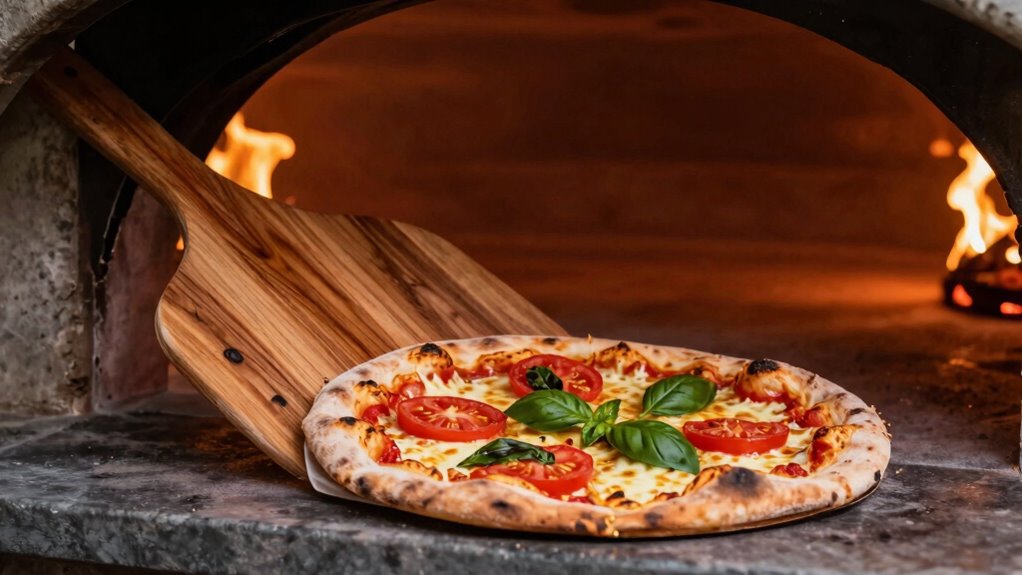
Have you ever wondered whether using a turning peel can improve your pizza baking? It’s a good question, especially if you’re serious about perfecting your homemade pies. A turning peel can make a noticeable difference, but understanding why requires looking at some key factors like pizza dough hydration and oven temperature control. When you’re baking pizza, dough hydration—the amount of water in your dough—plays a significant role in how well your pizza develops. Higher hydration dough tends to be more delicate and sticky, which can make handling tricky. Using a turning peel helps in these situations because it allows you to rotate and reposition the pizza easily without disturbing its structure. This is especially useful when working with well-hydrated dough, ensuring even cooking and preventing soggy or undercooked spots. Additionally, proper handling techniques with a turning peel can also extend the life of your pizza dough by reducing unnecessary stress during the baking process.
Using a turning peel helps handle delicate, high-hydration dough for even, perfect pizza baking.
Oven temperature control is another critical factor in making great pizza. High temperatures, common in wood-fired or commercial pizza ovens, demand quick and precise handling of the dough. A turning peel gives you the flexibility to rotate your pizza during baking, ensuring it gets evenly exposed to the intense heat. This is crucial because uneven heat distribution can result in burnt edges or undercooked centers. By turning the pizza with a peel, you improve heat circulation, helping you achieve that perfect, evenly baked crust. Additionally, a turning peel can help you better understand and manage heat distribution, which is essential for consistent results. Proper handling techniques with a turning peel can also extend the life of your pizza dough by reducing unnecessary stress during the baking process. Recognizing the influence of oven heat dynamics can further enhance your ability to control baking outcomes. In the end, whether you need a turning peel depends on your baking setup, dough hydration, and how much control you want over oven temperature and heat distribution. If you want to optimize your baking process and achieve consistent results, investing in a turning peel can be a game-changer. It’s a simple tool that enhances your ability to handle complex factors like dough hydration and oven temperature, ultimately helping you produce better, more consistent results every time.

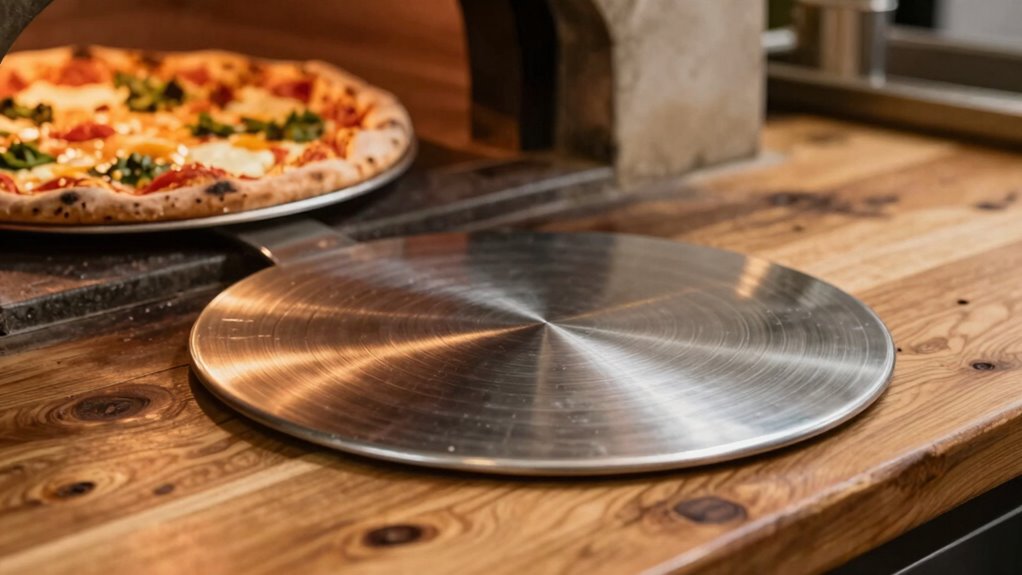
Pizza Turning Peel, 8-inch Pizza Peel Turner Spinner with Non-Slip Long Handle & Silicone Hanging Hook, Essential Pizza Oven Accessories for Outdoor & Indoor Baking, Even Crispy Crust Every Time
- Perfect Pizza Turning: 8-inch round head for even baking
- Durable Aluminum Construction: Corrosion-resistant, lightweight, supports heavy toppings
- Perforated Design: Allows steam escape for crispier crusts
As an affiliate, we earn on qualifying purchases.
As an affiliate, we earn on qualifying purchases.
Frequently Asked Questions
Can a Turning Peel Be Used for Other Baked Goods?
Yes, a turning peel can be used for other baked goods. It’s great for dough handling and offers baking versatility beyond pizza. You can use it to flip bread, artisan loaves, or pastries during baking, ensuring even heat exposure and preventing sticking. Its flat surface and sturdy build make it a handy tool for various baked items, helping you achieve better results with different types of dough and baked goods.
How Does a Turning Peel Differ From a Regular Pizza Peel?
A turning peel differs from a regular pizza peel because it’s designed for pizza preparation and oven safety. It has a flat, wide surface with a handle that helps you easily turn or rotate your pizza inside the oven without risking burns. This tool allows you to manage your pizza more precisely, ensuring even cooking and preventing burning, especially in high-temperature ovens. Its design makes it essential for professional and home pizza makers.
Is a Turning Peel Necessary for Outdoor Pizza Ovens?
A turning peel isn’t strictly necessary for outdoor pizza ovens, but it can make pizza preparation easier and more efficient. If you want consistent crusts and even cooking, a turning peel helps you rotate your pizza without disturbing the toppings. Plus, it reduces the risk of burnt spots, simplifying outdoor oven maintenance. While not essential, using one can elevate your pizza game and keep your oven cleaner.
What Materials Are Best for a Turning Peel?
You should choose a turning peel made from durable, heat-resistant materials like hardwood, aluminum, or composite. Hardwood offers excellent heat resistance and is gentle on your pizza crust, while aluminum heats quickly and is lightweight, making it easy to handle. Composite materials blend durability and heat resistance, providing a versatile option. Select a material that withstands high temperatures and resists warping or cracking for the best pizza-making experience.
Can Beginners Effectively Use a Turning Peel?
Like a maestro with a baton, you can definitely wield a turning peel as a beginner. It helps you master pizza dough and baking techniques by giving you control to turn and rotate your pizza easily. With a little practice, you’ll develop a feel for the right timing and movement, making your pizza crust crisp and evenly cooked. Embrace the learning curve—soon, you’ll be turning like a seasoned pro.
Pizza Turning Peel, 8-inch Pizza Peel Turner Spinner with Non-Slip Long Handle & Silicone Hanging Hook, Essential Pizza Oven Accessories for Outdoor & Indoor Baking, Even Crispy Crust Every Time
- Perfect Pizza Turning: 8-inch round head for even baking
- Durable Aluminum Construction: Corrosion-resistant, lightweight, supports heavy toppings
- Perforated Design: Allows steam escape for crispier crusts
As an affiliate, we earn on qualifying purchases.
As an affiliate, we earn on qualifying purchases.
Conclusion
So, should you get a turning peel? Think of it as the secret handshake to perfect pizza—an unsung hero that can transform your baking game. Without it, you’re sailing a ship without a compass, hoping for the best. With one, you’re steering confidently toward that golden, crispy crust. Don’t let your pizza dreams drift aimlessly; grab a turning peel and turn your oven into a culinary masterpiece. Your perfect pie is just a peel away.
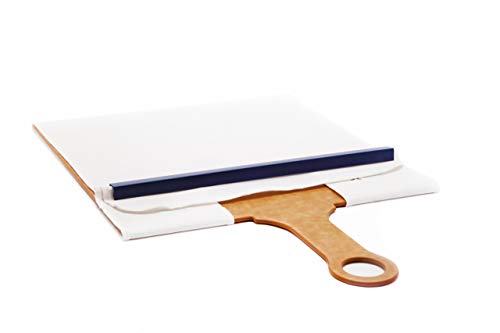
Super Peel The Original Pro Composite – Easy Non-stick Pizza Transfer – 14" Wide
- Non-stick pizza transfer: Easy non-stick transfer for pizzas
- Upgraded cotton belt: Pre-shrunk 10oz 100% cotton belt
- 14-inch width: Fits most standard ovens
As an affiliate, we earn on qualifying purchases.
As an affiliate, we earn on qualifying purchases.

Hans Grill Pizza Peel PRO, Perforated Metal Non-Stick Paddle 12 Inch
- Crisper Crusts: Perforated non-stick design for crispiness
- Premium Quality Material: Anodised aluminium with beechwood handle
- Safe Handling: Long wooden handle keeps hands safe
As an affiliate, we earn on qualifying purchases.
As an affiliate, we earn on qualifying purchases.