
TL;DR

Get garden gear delivered free with Prime
- Fast, free delivery on millions of items
- Prime Video, Amazon Music and more included
- Member-only deals all year
A Country Living gardening report recommends three autumn measures to help reduce slug and snail damage to hostas next spring: remove yellowing leaves, inspect nearby hiding places for snails and eggs, and fit copper tape around container rims. The steps may deter pests or disrupt shelter and overwintering, but they cannot eliminate slugs and snails or guarantee damage-free plants.
A Country Living gardening report recommends three steps gardeners can take in autumn to help reduce slug and snail damage to hostas next spring: clear away yellowing foliage, check nearby shelters for overwintering pests and eggs, and place copper tape around pots. The measures are intended to make hostas less inviting and create a barrier, not to eradicate pests or guarantee undamaged plants.
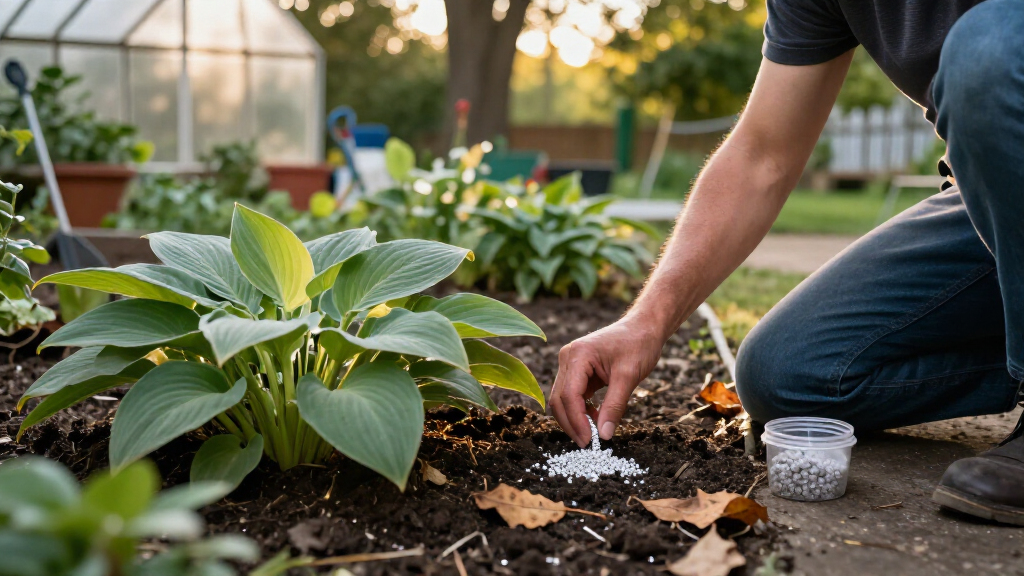
The first recommendation is to remove hosta leaves that have turned yellow, withered or mushy. The report says autumn is a period when slugs and snails may lay eggs around hostas, while older leaves can provide shelter. Garden designer Andrew Marshall, founder of Go Wild Landscapes in Oxford, says the plants offer pests cover and can be warmer than surrounding areas. Gardeners can rake between plants before cutting back older foliage; soft, mushy leaves can be pulled off. The report says this material can go on the compost heap.
The second step is to inspect places where snails or eggs may be sheltered. The report advises checking the undersides of pots, containers, bricks, logs and boards close to hostas, where clusters of clear, bead-like eggs may be found. It also suggests hand-picking snails at night. Clearing some topsoil around hostas is presented as a way to disrupt overwintering, although the report cautions that removing every slug or snail is difficult.
For hostas growing in containers, the third recommendation is to wrap copper tape fully around the pot rim. Andrew Salisbury, Head of Plant Health at RHS Garden Wisley, says copper can have a repellent effect but does not kill slugs and snails or reduce their numbers. The report advises keeping the barrier clear of debris and making sure it forms a complete ring, so pests cannot bypass it.
Autumn Cleanup Targets Pest Shelter
These tasks focus on shelter and access before hostas produce new growth. Removing aging leaves and checking objects near the plants can reveal places pests use to hide, while a continuous copper strip may deter them from climbing into pots. That makes the advice relevant to gardeners who want to reduce the conditions that can contribute to spring damage without relying on a claim that the pests can be fully eliminated.
The limits matter: copper is described as repellent, not lethal, and the report says it will not lower pest numbers. The suggested actions also do not establish that a particular garden will have less damage next season. They are preventative measures, with results dependent on local conditions and whether pests can find other routes or hiding places.
Products Worth Considering

Orbit B-hyve XR 16-Zone Indoor/Outdoor Smart Sprinkler Timer

Garvee 6 x 10 ft Polycarbonate Greenhouse with Aluminum Frame

EGO POWER+ HT2600 26-Inch Cordless Hedge Trimmer (Battery and Charger Not Included)
As an affiliate, we earn on qualifying purchases.
Why Hostas Attract Slugs
Hostas are valued for their foliage and return as perennials, but their leaves can be damaged by slugs and snails. According to Marshall, hosta growth provides cover and a slightly warmer refuge for the pests. The report identifies autumn as a useful time to look for aging leaves and sheltered sites, ahead of the next spring growth period.
The recommendations come from a Country Living report that cites Marshall and Salisbury. They are practical garden measures rather than a guarantee of control. The source does not provide trial results, a measured reduction in damage, or a comparison with gardens that did not take these steps.
“Slugs and snails love to hide around these plants as they provide great shelter as well as being a few degrees warmer than elsewhere.”
— Andrew Marshall, founder of Go Wild Landscapes
How Much Damage Can Be Prevented
The report does not quantify how much these measures reduce slug or snail damage, or provide study results comparing treated and untreated hostas. It also does not say how many pests may remain after cleanup. Complete removal is described as difficult, and the effect of copper tape depends on a continuous, debris-free barrier. Gardeners should treat the recommendations as ways to discourage pests, not a promise that hostas will be free of damage next spring.
Check Plants Again in Spring
Gardeners can carry out the suggested cleanup and inspections in autumn, then check hostas as growth returns in spring for fresh signs of slugs or snails. Container growers can inspect copper tape for gaps or debris that might compromise the barrier. The report does not announce a formal follow-up or provide a forecast for pest levels; the next indication of how well the steps worked will be the condition of plants during the coming growing season.
Key Questions
What are the three recommended steps?
Remove yellowing or withered hosta leaves, inspect nearby shelters for snails and eggs, and place copper tape around the rims of pots.
Does copper tape kill slugs and snails?
No. Andrew Salisbury of RHS Garden Wisley says copper has an irritating and repellent effect, but does not kill the pests or reduce their numbers.
Where should gardeners look for snail eggs?
The report recommends checking underneath nearby pots, containers, bricks, logs and boards for clusters of clear, bead-like eggs.
Will these steps prevent all hosta damage next spring?
No guarantee is given. The measures may make conditions less favorable or deter pests, but the report says it is difficult to remove every slug and snail and provides no measured estimate of damage reduction.
Source: countryliving.com