TL;DR
Six herbs can be planted in August and will continue to grow into the fall, providing fresh flavors. This allows gardeners to extend their growing season without starting anew.
Gardening experts advise that gardeners can plant six specific herbs in August that will continue growing into the fall, extending the season for fresh, homegrown flavors. This development offers a practical solution for those looking to maximize their garden’s productivity as summer wanes.

Get garden gear delivered free with Prime
- Fast, free delivery on millions of items
- Prime Video, Amazon Music and more included
- Member-only deals all year
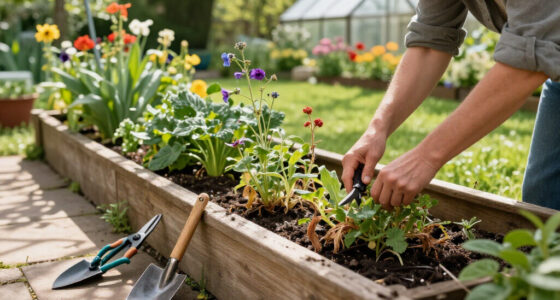
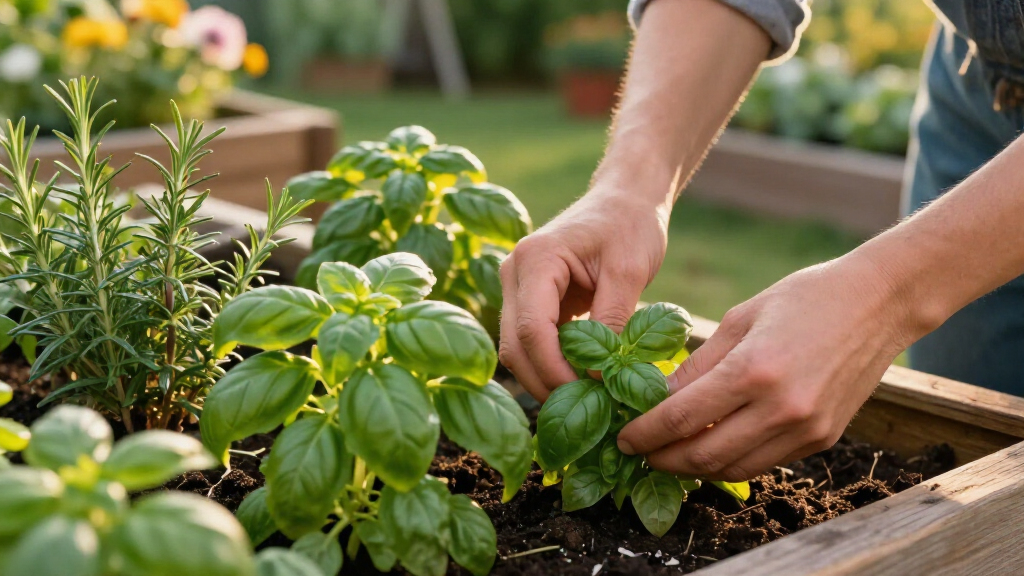
According to recent guidance from gardening sources, six herbs—basil, cilantro, parsley, chives, thyme, and oregano—are suitable for planting in August. These herbs are known for their resilience and ability to thrive in late-season conditions, providing fresh ingredients well into autumn. Experts emphasize that planting these herbs now can help gardeners maintain a continuous supply of flavorful herbs, reducing the need for purchasing store-bought varieties.
Gardeners are encouraged to select well-draining soil and ensure adequate watering, especially as temperatures begin to decline. Many of these herbs are perennials or have the potential to overwinter with proper care, further extending their usefulness. Local climate conditions will influence growth, but in general, these herbs are adaptable to various regions.
Sources note that planting these herbs in August is a strategic move to maximize the remaining warm weather and sunlight, enabling continued growth and harvest. This approach is particularly beneficial for urban gardeners and those with limited space, as it allows for a longer harvest period without additional planting in the fall.
Why Extending Your Herb Garden Into Fall Matters
Growing herbs into the fall allows gardeners to enjoy fresh, homegrown flavors longer, reducing reliance on store-bought herbs. It also maximizes the productivity of existing garden space, which is especially valuable for urban gardeners or those with limited land. Additionally, maintaining a vibrant herb garden can enhance culinary options and contribute to sustainable living practices. This guidance supports gardeners in making the most of their outdoor spaces as the season changes.
Products Worth Considering

EGO POWER+ 21-Inch Self-Propelled Cordless Lawn Mower Kit (LM2135SP)

Orbit B-hyve XR 8-Zone Indoor/Outdoor Smart Sprinkler Controller

Orbit B-hyve 12-Zone Indoor/Outdoor Wi-Fi Sprinkler Controller
As an affiliate, we earn on qualifying purchases.
August Planting Trends and Past Herb-Growing Tips
Historically, gardeners have been encouraged to plant herbs in early spring or late summer for year-round harvesting. Recent advice emphasizes that certain herbs, such as basil, cilantro, and parsley, are particularly suited for late-season planting because of their fast growth and adaptability. Past developments have shown that many herbs can be overwintered indoors, further extending their usefulness. This guidance aligns with ongoing trends to maximize garden productivity and reduce waste.
Regional Variations and Overwintering Potential
It is not yet clear how well these herbs will perform in colder climates or with specific regional conditions. Overwintering success may vary, and some herbs might require indoor protection, which has not been universally tested or confirmed.Monitoring Growth and Preparing for Indoor Overwintering
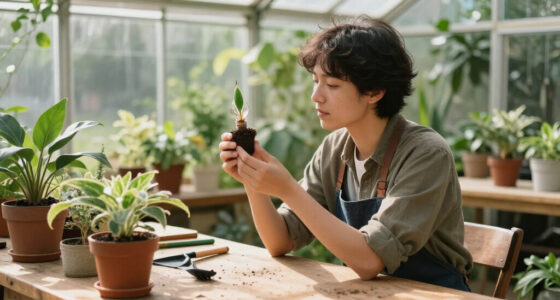
Gardeners should monitor their herb growth as temperatures decline and consider indoor overwintering options for herbs like basil and cilantro. Further guidance from local gardening centers and regional experts will help determine the best practices for extending herb life into winter.
Research into specific regional planting windows and care tips is ongoing, and gardeners are encouraged to stay informed through local extension services and gardening resources.
Key Questions
Can I plant these herbs in pots or containers?
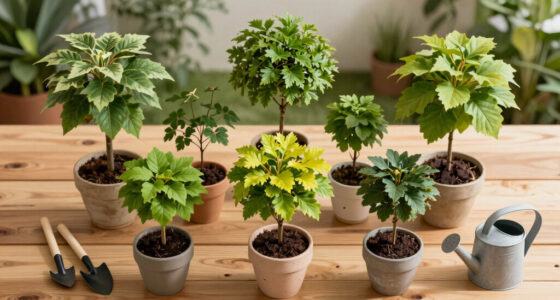
Yes, many of these herbs grow well in containers, which can also facilitate overwintering indoors if needed.
Are these herbs suitable for all climates?
Most are adaptable, but success may vary based on regional winter temperatures. Consult local gardening experts for specific advice.
How do I care for herbs to ensure they survive into fall?
Ensure well-draining soil, consistent watering, and protection from early frosts. Indoor overwintering can extend their lifespan.
Is it too late to plant herbs in August in my area?
In many regions, August is still suitable for planting herbs that grow quickly and can tolerate late-season conditions. Check your local climate and frost dates.
Source: rss