
TL;DR
A Homes & Gardens gardening report says October can suit both softwood and hardwood cuttings, giving gardeners options for keeping tender plants and starting hardy shrubs. Its list includes pelargoniums, coleus, fuchsia and pothos; the supplied source text cuts off during the pothos instructions, so the full seven-plant list is not available here.
Homes & Gardens’ October 2026 gardening report describes the month as a useful time to propagate plants because gardeners can take softwood cuttings from tender plants and hardwood cuttings from hardy shrubs. The supplied excerpt names pelargoniums, coleus, fuchsia and pothos, but ends partway through the pothos instructions and does not identify the other three plants.

Get garden gear delivered free with Prime
- Fast, free delivery on millions of items
- Prime Video, Amazon Music and more included
- Member-only deals all year
The report says softwood cuttings can preserve tender plants indoors over winter, either as replacements if parent plants are lost or as a way to grow more of a preferred variety. It gives pelargoniums, coleus and tender fuchsia as examples. These plants are not reliably winter-hardy in most regions, though the article notes that hardiness varies by plant and climate; it describes coleus as hardy in U.S. zones 10–11 and says tender fuchsias need indoor winter care outside zones 10 and 11.
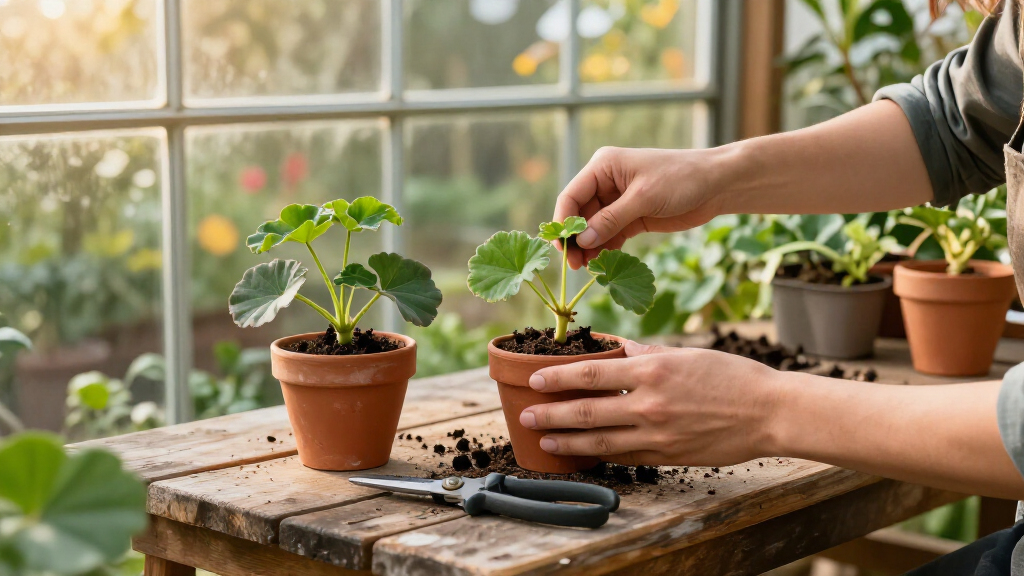
For pelargoniums, the report recommends taking 3–4-inch pieces of firm new growth below a leaf node, removing lower leaves and allowing the cut ends to dry for a few hours. The cuttings are then dipped in rooting hormone and placed in well-draining potting soil. It advises keeping pots in a bright, warm spot out of direct sun and soil moist. Rooting may take four to six weeks; resistance to a gentle tug is offered as a sign that roots have formed.
For coleus, it suggests 4–6-inch cuttings with lower leaves removed. They can be rooted in soil or water in bright, indirect light, then transferred to individual pots once roots develop. For fuchsia, the guide recommends healthy 4–6-inch soft growing tips, leaving the top two leaves, and placing three or four cuttings around a small pot. A clear plastic cover can retain humidity, while a heat mat may provide extra warmth. For pothos, the excerpt begins instructions for 4–6-inch stems with two or three leaves, cut below a node, but does not provide the remaining steps.
Saving Tender Plants Through Winter
The seasonal advice gives gardeners a way to keep selected tender varieties going when outdoor conditions become too cold for them. Instead of relying only on mature plants, cuttings can provide replacements or additional plants for the next growing season. That may be useful for gardeners who want to preserve a particular flower or foliage variety, though the report does not promise that every cutting will root.
October also offers a different route for hardy shrubs: the report says hardwood cuttings can be rooted for planting in the garden the following year. That creates an opportunity to add plants to borders over time, but the supplied excerpt does not name those shrubs or give their specific propagation methods. Success will depend on following appropriate instructions for each plant and providing suitable light, moisture and temperature.
Products Worth Considering

EAGLE PEAK 8 x 6 ft Pop-Up Walk-In Greenhouse, Clear/White

Orbit B-hyve 12-Zone Indoor/Outdoor Wi-Fi Sprinkler Controller

Husqvarna 542i XP 16-Inch Battery-Powered Chainsaw
As an affiliate, we earn on qualifying purchases.
Why October Suits Different Cuttings
The report presents October as a seasonal overlap: some tender growth can still be used for softwood cuttings, while hardy shrubs may be suitable for hardwood cuttings. These methods involve different plant material and care, so the month’s potential does not mean every plant should be propagated in the same way.
Homes & Gardens also notes that October competes with other garden tasks, including planting trees, shrubs, perennials and spring bulbs. It recommends preparing clean, sharp pruners, rooting hormone and suitable potting mix before taking cuttings. The article’s title promises seven plants, but the source material provided for this article contains details for only four and stops midway through the pothos section.
“October has a lot of potential for propagating new plants.”
— Homes & Gardens report
Three Plants Missing From Excerpt
The supplied source text does not identify all seven plants promised in the headline. It names pelargoniums, coleus, fuchsia and pothos, then cuts off during the pothos directions. The remaining three plants and the rest of the pothos method cannot be confirmed from the material available here.
The report gives general timing and rooting guidance but does not establish a success rate, and results can vary with plant condition and growing environment. Its U.S. hardiness-zone references may not map directly to other climates. Readers should check plant-specific guidance for their location rather than assume the same timing or care works everywhere.
Prepare Cuttings for Rooting
For the methods included in the excerpt, the next step is to select healthy growth, use clean and sharp tools, and prepare the recommended containers and growing medium. Keep cuttings in the light and temperature conditions described for each plant, and check for root development before potting them on. The report suggests waiting for roots on pelargoniums and checking for resistance with a gentle tug when roots are not visible.
The source text does not provide the complete seven-plant list or the end of the pothos instructions. Further details would be needed to report the other plants and their October propagation steps accurately.
Key Questions
Which plants does the supplied report excerpt name?
It names pelargoniums, coleus, fuchsia and pothos. The article headline refers to seven plants, but the excerpt ends before the full list appears.
Why does the report recommend propagating in October?
It says October can be suitable for both softwood cuttings from tender plants and hardwood cuttings from hardy shrubs, offering ways to preserve plants or grow additions for the garden.
How long do pelargonium cuttings take to root?
The report estimates four to six weeks. It recommends checking for resistance when gently tugging the cutting before moving it to an individual pot.
Can coleus cuttings root in water?
Yes. The report says coleus cuttings can be started in water or soil, in a bright spot with indirect light, and moved to individual pots after roots develop.
Does the excerpt give instructions for all seven plants?
No. It provides details for four named plants and cuts off during the pothos section. The remaining three plants and the complete pothos instructions are not available in the supplied material.
Source: rss