TL;DR

Get garden gear delivered free with Prime
- Fast, free delivery on millions of items
- Prime Video, Amazon Music and more included
- Member-only deals all year
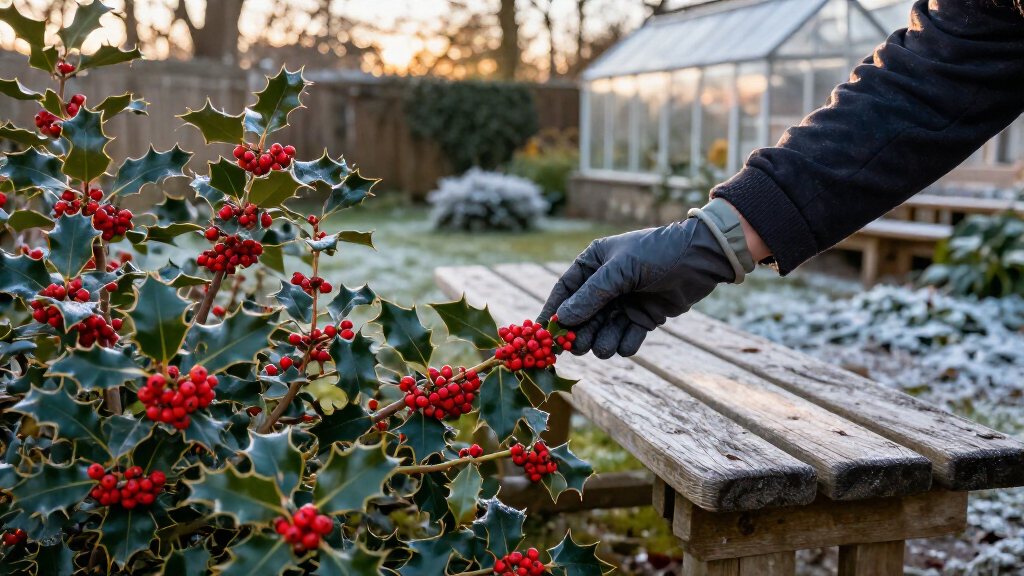
Country Living’s garden report describes seven shrubs whose colorful fruit or seed cones can remain visible through winter. The list includes winterberry holly, juniper, chokeberry, snowberry, viburnum, beautyberry and the warm-climate hybrid Pyracomeles; berry production, size and growing conditions vary by plant.
Country Living has highlighted seven shrubs that can bring color to gardens through winter, from red-fruited winterberry holly to purple-berried beautyberry and blue-coned juniper. The guide describes differences in pollination, plant size and climate suitability that gardeners need to check before choosing a variety.
The listed plants are winterberry holly (Ilex verticillata), juniper (Juniperus spp.), red chokeberry (Aronia arbutifolia), snowberry (Symphoricarpos spp.), viburnum (Viburnum spp.), beautyberry (Callicarpa spp.) and Pyracomeles, a hybrid between Pyracantha and Osteomeles. Their winter display ranges from red, white, pink, purple and orange fruit to the blue seed cones produced by some junipers.
The report says winterberry holly can produce bright red or pale gold fruit, but gardeners need both male and female plants for pollination. Junipers also vary: some have separate male and female plants, and some varieties do not produce cones. The report advises reading plant descriptions to confirm that a selected variety will produce the desired display.
Other choices offer different garden features. Red chokeberry has spring flowers, red fruit and bright fall foliage, while snowberry bears white or pink fruit against bare winter branches. Viburnums vary widely in size, and the guide warns that some can grow very large. Beautyberry’s purple fruit can persist into winter and, according to the report, does not require a pollinator. Pyracomeles is described as an evergreen suited to warm climates; its ‘Berry Box’ variety develops orange fruit in fall and red fruit in winter.
Choosing Berries for Winter Color
Winter fruit can add visible color when many deciduous garden plants have lost their leaves. These shrubs also differ in practical ways: some provide evergreen foliage, some offer flowers or fall color in other seasons, and some are described as tolerant of challenging conditions such as drought or poor soil. Matching a plant to the site matters as much as selecting its berry color.
The source also identifies birds as consumers of some of the fruit. It says birds favor winterberry, chokeberry and juniper cones, with cedar waxwings among the birds that eat juniper cones. That can make a shrub part of a garden’s food resources, though the report does not quantify wildlife use or guarantee that fruit will remain on branches throughout winter.
Products Worth Considering

Greenworks 80V 21-Inch Self-Propelled Lawn Mower with 4.0Ah Battery and Charger

EGO POWER+ CS1613 16-Inch Cordless Chainsaw with 56V 4.0Ah Battery and Charger

Husqvarna 130L Gas String Trimmer, 18-Inch
As an affiliate, we earn on qualifying purchases.
Pollination, Size and Climate
The guide is a selection of ornamental shrubs rather than a single planting plan. Its plants include native North American species and named cultivars, and they do not all share the same growing needs. Winterberry holly’s fruiting depends on pollination between male and female plants, while the report says beautyberry can set fruit without a pollinator. Junipers have variety-specific differences in cone production.
Plant size and climate also shape the choice. The report points to compact winterberry varieties such as ‘Berry Poppins’ and says some newer viburnum cultivars reach about 5 feet tall and wide, while cautioning that other viburnums become much larger. It describes Pyracomeles as suited to warm climates. These details are attributed to the source report; gardeners should check local conditions and individual plant labels before buying.
““Birds love it, and deer don’t.””
— Country Living report on winterberry holly
Local Growing Details to Check
The source material does not give a publication date, regional planting zones, mature dimensions for every shrub, or detailed care instructions. It also does not establish how long fruit persists in every garden or whether a particular cultivar will perform well in a reader’s climate. The stated wildlife preferences and deer resistance are report descriptions, not guarantees for every site.
Gardeners should verify the plant’s mature size, climate suitability and pollination needs from its specific label or a local horticultural source. In particular, the guide’s general notes about holly and juniper do not replace checking whether a particular cultivar needs a pollination partner.
Check Labels Before Planting
The next step for gardeners is to compare the seven options with local conditions and available space. Before buying, check the cultivar’s mature size, climate fit and fruiting requirements, including whether male and female plants are needed. For mixed plantings, consider seasonal features beyond fruit, such as evergreen foliage, spring flowers or fall color, which the report notes for several of the shrubs.
The source provides no announced follow-up or future milestone. Any planting decision will depend on site-specific information and the descriptions supplied by nurseries or regional gardening authorities.
Key Questions
Which shrub in the report has purple winter berries?
Beautyberry (Callicarpa spp.) produces brilliant purple fruit that the report says can persist into winter. It identifies American beautyberry as an option for a Southeastern native garden.
Do winterberry holly plants need a pollinator?
Yes. The report says winterberry holly needs both a male and a female plant for pollination and fruit production. Check the descriptions of the specific plants being purchased.
Are juniper berries actually berries?
No. The source explains that the blue structures on many junipers are small seed cones, not true berries. Some varieties may not produce cones.
Which shrubs are described as compact?
The guide names the winterberry cultivar ‘Berry Poppins’ as a dwarf option. It also says some newer viburnum cultivars reach around 5 feet tall and wide, but advises checking descriptions because other viburnums grow much larger.
Which shrub is recommended for warm climates?
The report describes Pyracomeles as an evergreen hybrid suited to warm climates. It says the ‘Berry Box’ variety has orange fruit in fall and red fruit in winter.
Source: countryliving.com