
TL;DR

Get garden gear delivered free — and shop member deals
- Fast, free delivery on millions of items
- Access to Prime Big Deal Days deals on October 6–7
- Prime Video, Amazon Music and more included
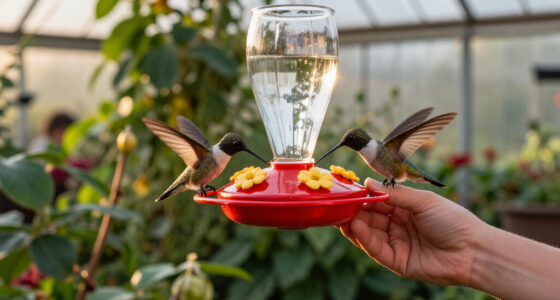
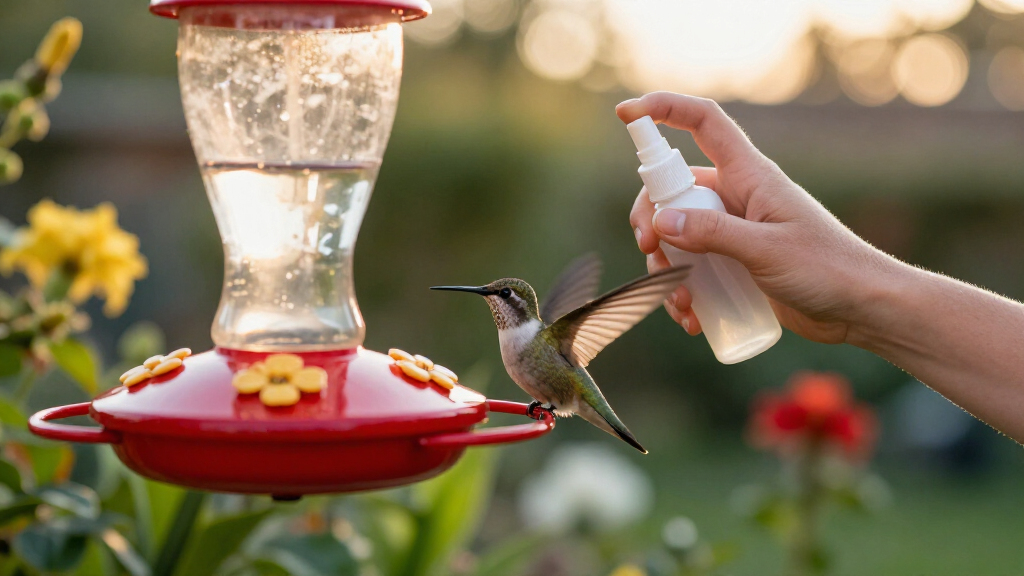
Many hummingbird enthusiasts face ant invasions on their feeders. This article outlines five proven, natural solutions to keep ants away effectively and safely for birds. The tips are easy to implement and environmentally friendly.
Hummingbird feeders often attract ants, which can deter the birds from feeding and contaminate the nectar. Recent advice from gardening experts confirms that there are five effective, natural solutions to keep ants away from feeders without resorting to harmful chemicals, making it safer for both birds and the environment.
According to gardening specialists, common methods like using ant moats, applying sticky barriers, and placing feeders on elevated surfaces are among the most effective ways to prevent ant intrusion. These strategies are confirmed to work based on anecdotal evidence and expert recommendations, without the need for chemical repellents.
One popular method involves placing a moat filled with water around the feeder’s pole, which creates a barrier ants cannot cross. Another approach is applying a natural sticky substance such as petroleum jelly or beeswax on the pole to deter ants. Additionally, elevating the feeder on a stand or hook can prevent ants from climbing easily. Some gardeners also recommend using plant-based repellents like cinnamon or peppermint around the feeder area, which ants tend to avoid.
Experts emphasize that these solutions are safe for hummingbirds and other wildlife, unlike chemical deterrents that pose risks to animals and the environment. The advice is based on practical experience and ecological considerations, making these options accessible for most backyard bird enthusiasts.
Why Keeping Ants Away Matters for Bird Feeders
Maintaining a clean, ant-free hummingbird feeder ensures that the birds have access to uncontaminated nectar, which is vital for their health and energy. Ant invasions can lead to nectar spoilage and discourage hummingbirds from feeding, potentially impacting local bird populations. For backyard bird watchers, preventing ants also means less mess and a more enjoyable, wildlife-friendly environment.
Furthermore, using natural deterrents aligns with eco-friendly gardening practices, avoiding the use of harmful chemicals that could affect other wildlife or pollinators. Protecting hummingbirds and maintaining a healthy garden ecosystem underscores the importance of these simple, natural solutions.
As an affiliate, we earn on qualifying purchases.
Understanding the Common Ant Problem on Feeders
Ant invasions on hummingbird feeders are a widespread issue during warmer months when ants are most active. Gardeners and bird enthusiasts have long sought effective ways to prevent ants from reaching nectar sources. Traditional methods included chemical sprays, but increasing awareness about environmental safety has shifted focus toward natural solutions.
Expert advice from horticulturists and bird conservation groups suggests that simple, chemical-free barriers like water moats and sticky substances are effective. These methods have been recommended for years, with many users reporting success in keeping ants away while ensuring the safety of visiting hummingbirds.
While research on specific ant deterrents continues, the consensus remains that physical barriers and natural repellents are the most reliable and eco-friendly options currently available.
natural ant barrier for bird feeders
As an affiliate, we earn on qualifying purchases.
As an affiliate, we earn on qualifying purchases.
What Aspects of Ant Prevention Are Still Uncertain?
While these natural methods are widely recommended and have anecdotal support, there is limited scientific research quantifying their long-term effectiveness. It is also unclear how well these solutions work in different climates or with varying ant species. Further studies could provide more definitive guidance on the most reliable strategies for diverse environments.
Additionally, the effectiveness of plant-based repellents like cinnamon or peppermint may vary depending on the concentration used and environmental factors, and there is no standardized protocol for their application.
As an affiliate, we earn on qualifying purchases.
Next Steps for Backyard Bird Enthusiasts
Gardeners and bird lovers are encouraged to try these natural solutions and observe their effectiveness over the coming months. Sharing experiences and tips within local gardening communities can help refine best practices. Researchers and conservation groups may also investigate these methods further to establish more concrete evidence of their efficacy.
In the meantime, adopting these eco-friendly strategies can help maintain a healthy, ant-free feeding environment for hummingbirds, supporting local wildlife and promoting sustainable gardening practices.
sticky barrier for hummingbird feeders
As an affiliate, we earn on qualifying purchases.
As an affiliate, we earn on qualifying purchases.
Key Questions
Are these natural solutions safe for hummingbirds?
Yes, all the recommended methods—water moats, sticky barriers, elevating feeders, and natural repellents—are safe for hummingbirds and other wildlife when used correctly.
How often should I refill or reapply these barriers?
Water in the moat should be checked regularly and refilled as needed. Sticky barriers may need reapplication after rain or dust, and natural repellents like cinnamon should be reapplied every few days for best results.
Can I use chemical repellents instead?
While chemical repellents may be effective, they pose risks to birds and the environment. The natural solutions outlined are safer and environmentally friendly alternatives.
Will these methods work in all climates?
Most natural barriers are effective in temperate and warm climates, but their performance may vary depending on local ant species and weather conditions. Experimentation and adaptation may be necessary.
What other tips help prevent ant invasions?
Keeping the area around the feeder clean, removing any spilled nectar or debris, and placing the feeder on a stable, elevated stand can also help reduce ant activity.
Source: rss
Fall yard work Picks
leaf blowers
As an affiliate, we earn on qualifying purchases.