
TL;DR

Get garden gear delivered free with Prime
- Fast, free delivery on millions of items
- Prime Video, Amazon Music and more included
- Member-only deals all year
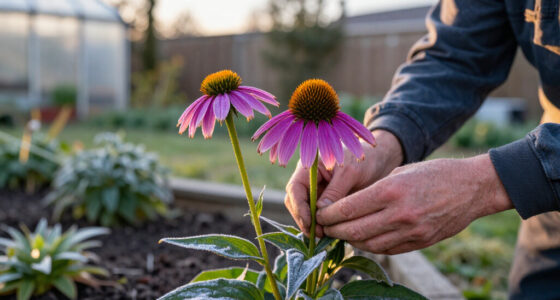
The RHS is encouraging gardeners to plant trees, shrubs and herbaceous perennials in autumn, when warm, moist soil and cooler weather can support root growth before summer heat. British Garden Centres has also published a guide to plants suited to hot conditions. The advice follows a summer of high temperatures and drought, but the sources do not identify a single planting plan that guarantees resilience.
After a summer of high temperatures and drought, the Royal Horticultural Society is urging gardeners to plant more trees, shrubs and herbaceous perennials in autumn, giving them time to establish before the next period of summer heat. For seasonal planting inspiration, see these fall planter ideas. British Garden Centres has also issued a guide to plants it says can cope with hot conditions, including sedums, ornamental grasses and sea hollies.
The RHS recommendation is based on the conditions plants can encounter in autumn and winter. Warm, moist soil can support root growth, while cooler air can reduce the stress plants face compared with being planted during hot weather. Lower weed and pest pressure can also give new plants more opportunity to establish, according to the report.
Leigh Hunt, the RHS’s Principal Horticultural Advisor, said autumn planting should become part of gardeners’ preparation for longer, hotter dry spells. He said the timing gives some plants a better chance to settle in and can help gardeners use water more wisely. The advice is to plant ahead of summer, not to assume that newly planted specimens will need no care or watering.
British Garden Centres’ hot-weather guide lists sedums, Verbena bonariensis, asters, chrysanthemums, sea hollies and ornamental grasses among its suggested choices. Gardeners can also find ways to reuse plant clippings in autumn. Julian Palphramand, the company’s Head of Plants, described the varieties as generally tough and forgiving once established, including in less-than-perfect conditions. The report does not provide a detailed planting calendar, regional guidance or specific watering instructions for each variety.
Preparing Gardens for Hotter Summers
For gardeners, the practical significance is a shift in timing: planting in autumn can give trees, shrubs and perennials several seasons to develop roots before they face summer heat. That may make them better placed to cope with dry spells than plants put into the ground immediately before hot weather, although the report does not promise that autumn planting will prevent heat damage.
The advice also connects plant choice with water use. Selecting varieties described as tolerant of heat and allowing plants time to establish could reduce the pressure of maintaining a garden through prolonged dry weather. However, water needs vary by plant, soil and local conditions, and newly planted plants may still require watering while their roots settle.
The recommendations matter beyond individual flowerbeds because trees and shrubs take time to establish and can be difficult to replace if they fail. The RHS is asking gardeners to plan ahead rather than wait until a heatwave is imminent. The source offers horticultural guidance, not evidence from a comparative trial showing how much more resilient a garden becomes under this approach.
autumn planting trees shrubs perennials
As an affiliate, we earn on qualifying purchases.
As an affiliate, we earn on qualifying purchases.
Advice Follows Heat and Drought
The report presents the planting advice against the backdrop of a summer described as bringing high temperatures and drought. It says horticultural experts are compiling checklists of plants and practices to help gardeners respond to future periods of extreme temperatures. The RHS advice focuses on timing and establishment, while the British Garden Centres guide highlights plant choices associated with hot-weather resilience.
The two recommendations address different parts of the same challenge. Planting in autumn is intended to give plants time to develop before summer; choosing varieties described as tough can help gardeners select plants for exposed or dry conditions. Neither source says the listed plants are immune to drought, and the report does not specify whether the guidance applies equally across the UK’s different soil types and climates.
“If we want gardens to survive longer, hotter dry spells, we need to make autumn planting part of the new gardening calendar.”
— Leigh Hunt, Principal Horticultural Advisor at the RHS
As an affiliate, we earn on qualifying purchases.
Limits of the Planting Advice
The report does not say which specific plants perform best in particular regions, soil types or levels of shade, nor does it give a complete schedule for planting and watering. It also does not quantify how much autumn planting could improve survival or reduce water use. Hunt’s comments describe a horticultural recommendation, not a guarantee that plants will withstand future heatwaves.
It remains unclear how the advice should be adjusted for gardeners facing very dry autumn conditions, water restrictions or poorly draining soil. Gardeners will need to account for local weather and the needs of individual plants; the report does not set out detailed instructions for those circumstances.
ornamental grasses for hot weather
As an affiliate, we earn on qualifying purchases.
As an affiliate, we earn on qualifying purchases.
Planting Ahead of Next Summer
The immediate next step for gardeners is to use the autumn planting window to establish suitable trees, shrubs and perennials before the growing season brings higher temperatures. The RHS has called for autumn planting to become a regular part of garden planning. British Garden Centres’ guide offers a separate list of hot-weather plant options, though the report does not state whether further guidance or updates are scheduled.
Gardeners considering the recommendations should check planting requirements for their chosen varieties and local conditions, then monitor new plants as they establish. Further detail on regional suitability, care during dry spells and the results of wider adoption would help clarify how much the approach can improve garden resilience.
As an affiliate, we earn on qualifying purchases.
Key Questions
Why is the RHS recommending autumn planting?
The RHS says warm, moist soil can encourage root growth, while cooler weather can reduce stress. Autumn planting gives trees, shrubs and perennials time to establish before summer heat arrives.
Which plants does British Garden Centres suggest for hot weather?
Its guide includes sedums, Verbena bonariensis, asters, chrysanthemums, sea hollies and ornamental grasses. The report does not give detailed regional or soil-specific recommendations for these plants.
Does autumn planting mean new plants will not need watering?
No. The report says autumn conditions can help plants establish and may help gardeners use water more wisely, but it does not say new plants can go without water. Needs depend on the plant and local conditions.
Will these recommendations guarantee that a garden withstands a heatwave?
No guarantee is given. The RHS says autumn planting gives certain plants a better chance, while British Garden Centres describes its listed varieties as tough once established. Neither source claims the plants are immune to heat or drought.
Source: rss
Fall yard work Picks
leaf blowers
As an affiliate, we earn on qualifying purchases.