TL;DR

Get garden gear delivered free with Prime
- Fast, free delivery on millions of items
- Prime Video, Amazon Music and more included
- Member-only deals all year
An Amateur Gardening report advises gardeners to take five practical steps to reduce slug and snail damage as wet weather returns: water in the morning, support wildlife, use barriers, inspect containers and consider nematodes. The advice is preventive, not a guarantee, and results may vary with conditions and method.
Amateur Gardening has outlined five ways gardeners can try to reduce slug and snail damage to vegetables as wet weather returns, including watering in the morning, checking pots and using nematodes. The report presents these as practical precautions, not a guarantee that crops will be protected.
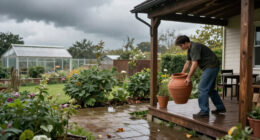
The advice, in a report by Becky Bowden, begins with changing watering times. Watering in the morning gives soil more time to dry during daylight than evening watering, which the report says can leave conditions more favorable to slugs and snails. It also notes that morning watering may help reduce the risk of fungal disease by allowing plants more access to sunlight and airflow after they are watered.
A second suggestion is to support a wider range of garden wildlife. The report recommends features such as log piles, ponds and rockeries, as well as leaving a leaf pile away from vegetables. These habitats may attract animals that eat slugs, though the article notes that hedgehogs eat them only occasionally. Bird boxes, feeders and suitable shrubs or trees may encourage birds to visit, but the report does not claim wildlife will remove pests from a garden.
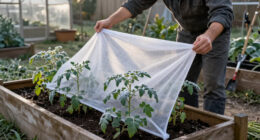
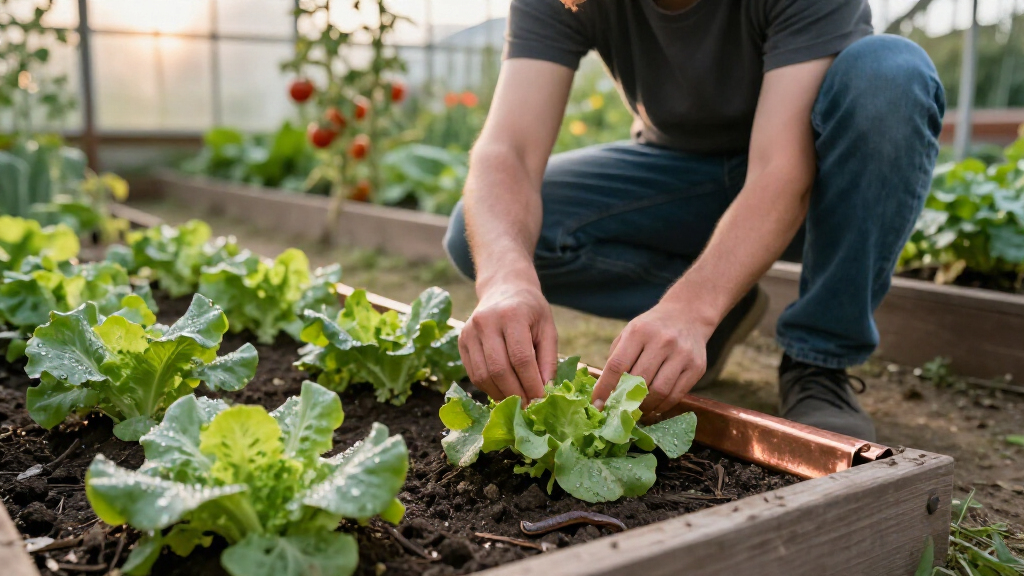
For physical barriers, the report suggests placing dry, crushed eggshell shards around vulnerable plant stems, or using untreated woodchips as mulch. It also mentions coffee grounds as a possible deterrent, with the caveat that they need replacing, particularly after heavy rain. Gardeners are advised to inspect window boxes and planters, including underneath pots and around dense foliage, where slugs and snails may hide. The fifth option is nematodes: microscopic worms sold for garden use and applied in water according to the product instructions.
Practical Steps to Limit Crop Damage
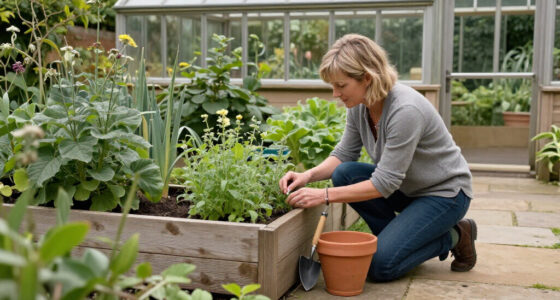
Slugs and snails can damage vegetables, so checking for them early and making small changes may help gardeners protect crops during damp periods. The advice is relevant to people growing food in beds, containers and planters, where pests can hide out of sight.
The options differ in effort and cost. Morning watering and regular inspections require changes to routine, while wildlife features and nematode products involve different levels of planning or purchase. No single method is presented as a complete solution; gardeners may need to see which measures suit their plants and conditions.
Products Worth Considering

Husqvarna 130 Gas-Powered Chainsaw, 16 Inch

HOPETANA 8 × 16 ft Walk-In Polycarbonate Greenhouse

Solo Stove Bonfire 2.0 Smokeless Wood-Burning Fire Pit with Stand, Silver
As an affiliate, we earn on qualifying purchases.
Why Wet Weather Brings Slugs Back
The report links the expected return of wetter weather after a dry spell with renewed concern about slugs and snails. These animals are more active in damp, dark conditions, according to the article, and can feed on garden crops. That seasonal framing is the basis for its advice to act before damage becomes visible.
Several recommendations come from named specialists quoted by Amateur Gardening. Lawn care specialist Chrissie Handley discusses eggshells, while container plants expert Martine Davis urges gardeners to look beneath pots and around thick foliage. The report also recommends applying nematodes during the growing season and following the instructions on the packet.
““Crushed eggshells work well in deterring slugs and snails from eating your plants.””
— Chrissie Handley, lawn care specialist, quoted by Amateur Gardening
How Well Each Method Works
The supplied report does not provide controlled comparisons, success rates or a ranking showing which measure works best. It describes coffee grounds as a possible slight deterrent and says results from garden measures may involve trial and error. Effectiveness can therefore not be quantified from the material provided.
It is also unclear when the wet weather will arrive, how much slug or snail activity individual gardens will see, or whether any one recommendation will protect a particular crop. The report does not specify product brands or application rates for nematodes; gardeners are told to follow the instructions supplied with the product.
Monitor Conditions and Check Plants
The report offers no scheduled follow-up or forecast date. Its advice is to begin with measures suited to the garden, then check plants, containers and sheltered areas regularly, especially after wet weather. Gardeners considering nematodes should use them during the growing season and follow the packet directions.
Whether these steps reduce damage will depend on local conditions and how pests respond. The report’s practical next step is continued observation and adjustment rather than relying on a single deterrent.
Key Questions
What are the five ways suggested to reduce slug damage?
The report recommends watering in the morning, supporting wildlife that may eat slugs, trying physical barriers such as eggshell shards or woodchips, checking pots and planters, and applying nematodes according to product instructions.
Do eggshells reliably stop slugs?
The report presents dry, crushed eggshells as a possible deterrent, citing lawn care specialist Chrissie Handley. It provides no measured results or guarantee that eggshells will protect plants.
Why should gardeners check beneath pots?
Slugs and snails can shelter in dark, damp places, including beneath pots and trays and around thick foliage, according to container plants expert Martine Davis.
How should nematodes be applied?
The report says to mix them with water and apply them with a watering can during the growing season. It advises following the instructions on the product packet; it does not provide a universal dose.
Will attracting wildlife eliminate slugs?
No such guarantee is made. The article says some wildlife may eat slugs and snails, and that hedgehogs do so occasionally, but it does not claim wildlife habitats will remove pests or prevent crop damage.
Source: amateurgardening.com