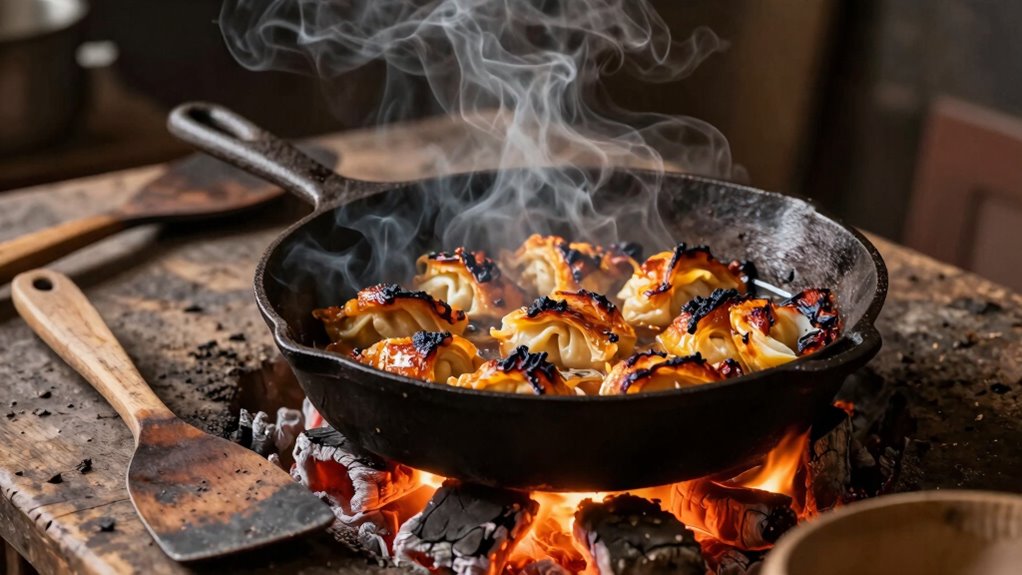

Wood-fired cooking enhances flavor by infusing your food with smoky, layered tastes that vary with the type of wood you use. It also changes your workflow, requiring you to actively control airflow and fire to maintain consistent heat and smoke levels. Instead of relying on fixed temperatures, you’ll watch flames, adjust vents, and manage fire with intuition. Keep exploring to discover how mastering these techniques can elevate your cooking experience even further.
Key Takeaways
- Wood-fired cooking imparts smoky, layered flavors influenced by the type of wood used, creating a distinct taste profile.
- It shifts focus from fixed temperatures to real-time fire and smoke observation for better flavor control.
- Techniques involve adjusting airflow and fire distance, emphasizing manual skill and traditional methods.
- Modern technology replicates natural airflow and smoke, combining traditional flavor infusion with ease of control.
- The workflow becomes more intuitive and engaging, fostering a deeper connection with the cooking process and fire management.
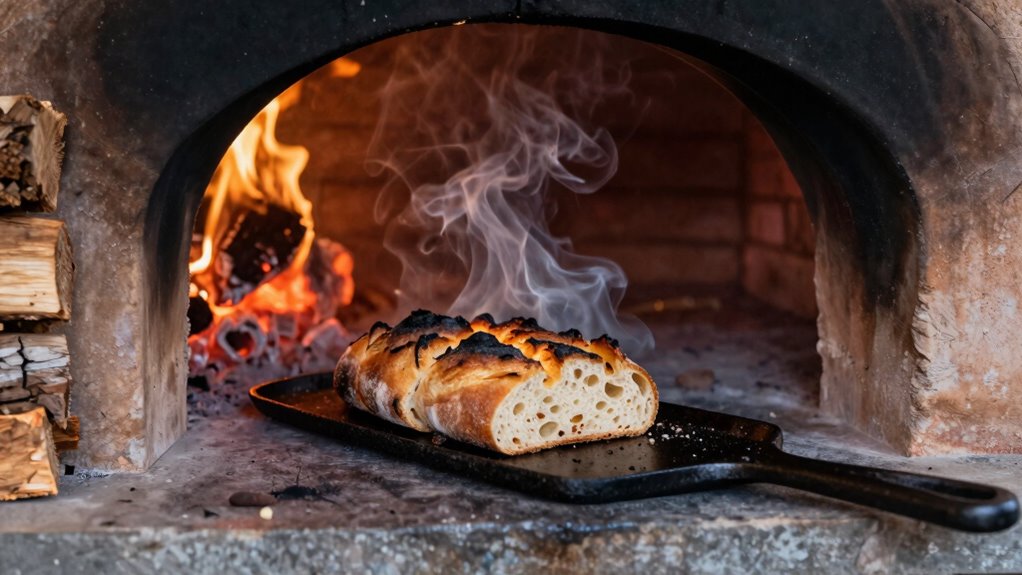
Have you ever wondered what makes wood-fired cooking so special? It’s more than just the smoky aroma or the crackling flames. The way fire interacts with the food creates a unique flavor profile that’s hard to replicate with modern appliances. Historically, chefs and home cooks relied on maritime techniques—methods developed over centuries to adapt fire and heat for different environments and ingredients. These traditions emphasize controlling airflow and heat distribution to achieve consistent results, even in open or constrained spaces. Today, many of these techniques have been integrated into modern adaptations, blending old-world craftsmanship with contemporary technology.
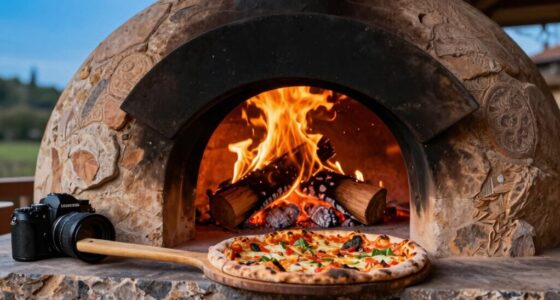
Wood-fired cooking offers a rich, smoky flavor through centuries-old maritime techniques blending tradition with modern control.
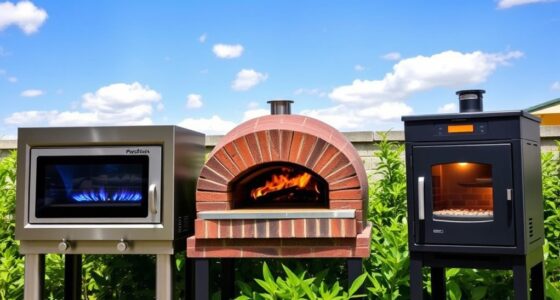
When you cook with wood, you’re not just applying heat; you’re allowing the flames and smoke to infuse your food with complex, layered flavors. Maritime techniques, originally used on ships and coastal regions, taught cooks to manage fire with precision despite limited resources. They involved controlling the airflow, adjusting the distance between the fire and the food, and sometimes even using different types of wood to influence flavor. Modern adaptations take these principles further, utilizing specialized grills and ovens that mimic natural airflow and smoke infusion, giving you more control over the cooking process. These innovations make it easier to produce that authentic smoky taste, even in a busy kitchen or a small backyard.
Your workflow changes dramatically when you switch to wood-fired cooking. Instead of simply setting a temperature, you learn to read the fire—how it crackles, the color of the flames, and the amount of smoke produced. This requires patience and observation, but it also grants you a deeper connection to what’s happening inside your cooking setup. With maritime techniques, you learn to adjust the airflow by manipulating vents or adding wood chunks, which in turn modify the heat and smoke levels. Modern adaptations have automated some of these adjustments, but many enthusiasts still prefer to manually control the fire for a more authentic experience. This hands-on approach not only enhances flavor but also makes the process more engaging and rewarding.
Ultimately, wood-fired cooking transforms both flavor and workflow by encouraging a more intuitive, respectful relationship with the fire. It brings ancient maritime techniques into the present, allowing you to craft dishes with depth and complexity while enjoying a process that’s both challenging and deeply satisfying. Whether you’re a seasoned chef or a weekend hobbyist, embracing these methods can elevate your culinary game, making every meal a true-fire experience. Additionally, mastering fire management can significantly improve your ability to produce consistent results and explore new flavor profiles. Developing fire control skills is essential for achieving the desired temperature and smoke levels, ensuring your dishes turn out just as you envision.

Ooni Karu 12 Multi-fuel Outdoor Portable Pizza Oven – Reaches 950°F and Cooks 12 Inch Pizzas in 60 Seconds. Versatile Wood or Propane Gas Fired Grill with Pizza Stone
- Custom Fuel Tray: Maximizes airflow for high heat
- High-Temperature Cooking: Reaches 950°F for fast pizzas
- Fast Pizza Cooking: Cooks 12-inch pizza in 60 seconds
As an affiliate, we earn on qualifying purchases.
As an affiliate, we earn on qualifying purchases.
Frequently Asked Questions
How Does Wood Type Affect the Flavor Profile?
You’ll notice that the wood variety directly influences the flavor nuances of your dishes. Hardwoods like oak or hickory add robust, smoky notes, while fruitwoods like apple or cherry provide sweeter, subtler hints. The type of wood you choose can enhance or mellow the overall flavor, allowing you to tailor your cooking experience. Experimenting with different wood types helps you discover unique flavor profiles and perfect your culinary creations.
What Safety Precautions Are Necessary With Wood-Fired Cooking?
Stay safe by sourcing sturdy safety gear like gloves, goggles, and aprons before tending to your wood fire. Keep fire hazards at bay by maintaining a clear, clutter-free cooking area, and never leave the fire unattended. Always have a fire extinguisher nearby, and guarantee proper ventilation to prevent smoke buildup. By practicing these precautions, you’ll confidently cook with fire, avoiding accidents and ensuring an enjoyable, safe wood-fired experience.
How Do You Control Temperature in a Wood-Fired Oven?
To control temperature in a wood-fired oven, you need to manage wood moisture and adjust your airflow. Use dry, seasoned wood for consistent heat, and add larger logs for higher temperatures. Regulate airflow with the oven’s vents to increase or decrease heat, and move coals around to maintain even cooking temperatures. Monitoring the oven’s temperature with a thermometer helps you make precise adjustments for perfect results.
Can Wood-Fired Cooking Be Easily Integrated Into Home Kitchens?
Yes, you can integrate wood-fired cooking into your home kitchen, but it requires planning. You’ll need proper kitchen ventilation to manage smoke and odors and a safe space for wood storage. Installing a dedicated oven or stove with an appropriate chimney can make it easier. Keep in mind, you’ll need to balance space, safety, and functionality to enjoy authentic wood-fired meals without disrupting your kitchen workflow.
What Are the Environmental Impacts of Using Wood for Cooking?
You’ll want to weigh the environmental impacts of wood cooking, which can be mild if you choose sustainably sourced wood. Responsible sourcing guarantees less deforestation, while emissions reduction helps cut down on harmful smoke and greenhouse gases. By selecting eco-friendly wood and using efficient stoves, you minimize your carbon footprint. This mindful method fosters a better balance between enjoying flavorful, wood-fired meals and protecting the planet’s precious resources.

Mr. Bar-B-Q Hickory Wood Smoking Chips, 100% All Natural Wood Chips for Smokers, Works with Smoker, Gas, Electric Grill, Smoky & Fruity Flavor for Picnics, Grilling, Smoker, BBQ & Camping (1.8 Lb Bag)
- Weight: 1.8 lb bag of hickory chips
- Flavor Profile: Rich, smoky, and fruity flavor
- Compatibility: Works with smoker, gas, electric grills
As an affiliate, we earn on qualifying purchases.
As an affiliate, we earn on qualifying purchases.
Conclusion
Once you embrace wood-fired cooking, your flavors will explode like a fireworks show in your mouth—every bite bursting with smoky, charred goodness you never knew was possible. Your workflow will transform into a fiery dance of flames and sparks, turning mundane meals into legendary feasts. Get ready to become a culinary superhero, wielding a fire pit like a magic wand that transforms ordinary ingredients into extraordinary masterpieces. Cooking will never be the same again—welcome to flavor paradise!

OFXDD BBQ Hand Fan – Barbecue & Grill Fan with Handle – Wooden Manual Fan Blower – Outdoor Fire Blower Tool
- Ergonomic Wooden Handle: Comfortable grip for easy fire control
- Versatile Fire Blower: Suitable for BBQ and campfire use
- Stylish Wooden Design: Aesthetic and functional manual fan
As an affiliate, we earn on qualifying purchases.
As an affiliate, we earn on qualifying purchases.

From the Wood-Fired Oven: New and Traditional Techniques for Cooking and Baking with Fire
- Shipping Origin: Ships from Vermont
As an affiliate, we earn on qualifying purchases.
As an affiliate, we earn on qualifying purchases.