TL;DR

Get garden gear delivered free with Prime
- Fast, free delivery on millions of items
- Prime Video, Amazon Music and more included
- Member-only deals all year
OmVed Gardens has shared instructions for making a “bug snug,” a frame filled with garden cuttings that can shelter insects and other wildlife over winter. The structure uses three sturdy poles and materials such as leaves, lawn clippings and hollow-stemmed wildflowers. Its benefits are described by the garden’s landscape gardener; no measured impact is provided.
OmVed Gardens, a North London community garden and learning hub, has shared instructions for building a “bug snug” from garden poles and cuttings, offering a way to store seasonal trimmings while providing shelter for insects and other wildlife over winter. The how-to was demonstrated in an Instagram reel by landscape gardener John Gaffney; the source describes potential benefits but gives no measured results.
The basic structure is made with three sturdy, straight poles, arranged and secured into a triangular, teepee-like frame. OmVed used hazel, but Gaffney said bamboo canes or other long, straight materials can also work. The frame can be made at different sizes, and the poles can be pushed into the ground for added stability if needed.
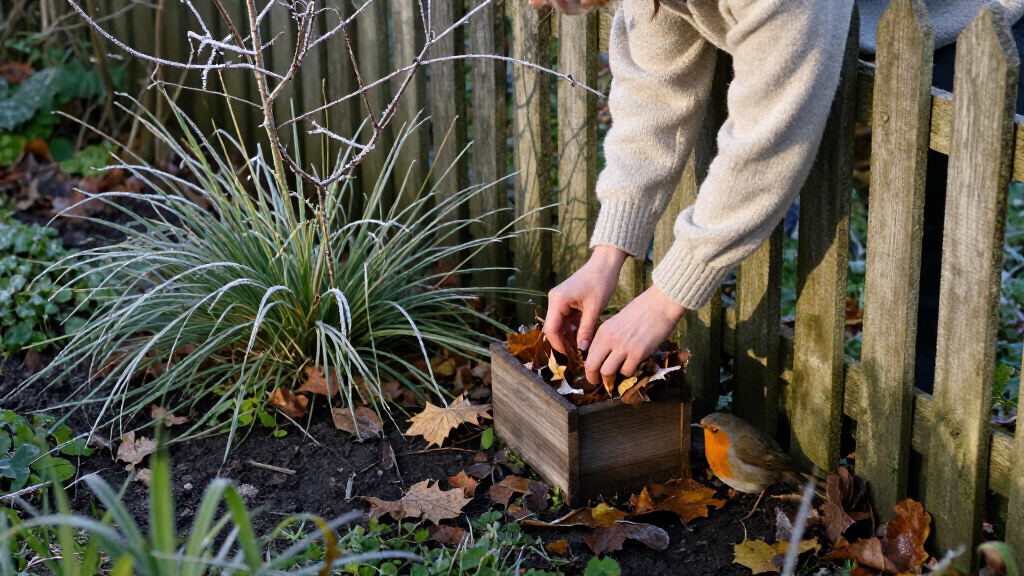
Once the frame is standing, gardeners can layer in cuttings, leaves and lawn clippings until the material reaches the top. Gaffney singled out wildflowers as useful because their hollow stems can provide places for insects to shelter. The project is intended to gather otherwise scattered garden debris in one designated spot rather than putting it in the trash, much like a DIY bug hotel gives beneficial garden insects a home.
According to Gaffney, the snug may also provide cover for frogs and birds during winter, complementing other ways to support garden birds. Birds can use plant material for nesting in spring, he said. Those are the benefits described by OmVed; the supplied report does not include wildlife counts or research measuring how many animals a snug supports.
A Place for Winter Garden Debris
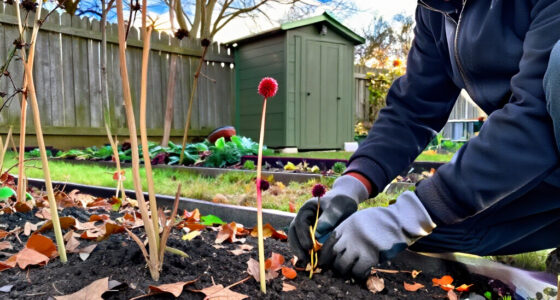
The idea addresses a common seasonal trade-off: clearing a garden can make it look tidy, but removing every fallen leaf and plant cutting also removes potential shelter. A bug snug offers a contained place for trimmings, so gardeners can keep much of the surrounding space orderly while leaving some material available as habitat.
For readers, the project is presented as a practical use for materials already in the garden, rather than a purchase-dependent installation. Its value is in creating a possible refuge through colder months and keeping plant material in one spot. It should not be treated as a guarantee that insects, frogs or birds will use the structure; the source offers advice and an explanation from a gardener, not a measured assessment of wildlife outcomes.
As an affiliate, we earn on qualifying purchases.
OmVed’s Seasonal Wildlife Advice
OmVed Gardens describes itself as a North London community “greenscape” and learning hub focused on reconnecting people with the land, community well-being and climate resilience. Its reel presents the bug snug as a response to the urge to remove garden “mess” during seasonal mowing, pruning and raking.
The advice does not require a fixed design or a particular garden size. Gaffney said the frame can be small or much larger, and that different straight poles can be used. The approach depends on having a stable frame and suitable plant material to stack; the report does not specify a required location, exact dimensions or a maintenance schedule.
“What wildlife wants is a bit of mess.”
— John Gaffney, OmVed Gardens landscape gardener
wildlife winter shelter for insects
As an affiliate, we earn on qualifying purchases.
As an affiliate, we earn on qualifying purchases.
Wildlife Use Is Not Measured
The source does not report whether OmVed monitored the bug snug or measured its effect on local wildlife. It also does not establish how many insects, frogs or birds might use one, how the result varies by garden or climate, or how long the structure should remain in place. The stated benefits are attributed to Gaffney and OmVed’s guidance.
Details such as the best placement, ideal proportions, and whether or when to refresh the contents are not specified. Gardeners should not assume that every type of cutting is equally suitable: the report specifically highlights hollow-stemmed wildflowers but does not provide a full list of recommended or unsuitable materials.
As an affiliate, we earn on qualifying purchases.
Build and Observe Through Winter
OmVed’s instructions leave the next step to gardeners: gather three suitable poles, form a stable triangular frame, and fill it with available cuttings and leaves. The structure can be sized to fit the garden, with the poles pushed into the ground if extra stability is needed. No further announcement or follow-up study is identified in the source.
Any assessment of whether a particular snug attracts wildlife would require observation over time. The report does not set out a monitoring method or promise a specific result, so the immediate takeaway is the practical demonstration—not evidence of a quantified increase in wildlife.
garden debris storage for wildlife
As an affiliate, we earn on qualifying purchases.
As an affiliate, we earn on qualifying purchases.
Key Questions
What is a bug snug?
A bug snug is a simple frame filled with garden trimmings. OmVed Gardens presents it as a way to collect cuttings in one place and provide potential winter shelter for insects and other wildlife.
What materials are needed to make one?
The demonstrated design uses three sturdy, straight poles—hazel or bamboo canes are examples—and garden material such as leaves, lawn clippings and cuttings. Gaffney recommends hollow-stemmed wildflowers as a useful addition for insects.
Can a bug snug help animals besides insects?
Gaffney said the structure may also help provide shelter for frogs and birds, and that birds may use its plant material for nesting in spring. The source does not provide measurements of wildlife use.
Does the bug snug have to be a particular size?
No fixed dimensions are given. Gaffney said the frame can be small or larger, depending on the garden and available materials. The poles should form a stable triangular structure, and pushing them into the ground can add stability.
Is there proof that a bug snug increases wildlife numbers?
The supplied report gives no wildlife counts or study results. It presents the snug as a practical shelter idea and attributes the claimed benefits to OmVed Gardens and its landscape gardener.
Source: rss
Fall yard work Picks
leaf blowers
As an affiliate, we earn on qualifying purchases.