
TL;DR

Get garden gear delivered free with Prime
- Fast, free delivery on millions of items
- Prime Video, Amazon Music and more included
- Member-only deals all year
A report by Ideal Home, citing two UK legal experts, says the owner or occupier of a property is generally responsible for clearing leaves and branches that land there after a storm. A neighbour may face a claim if they failed to take reasonable care over a known, foreseeable tree risk, but storm damage alone does not establish liability.
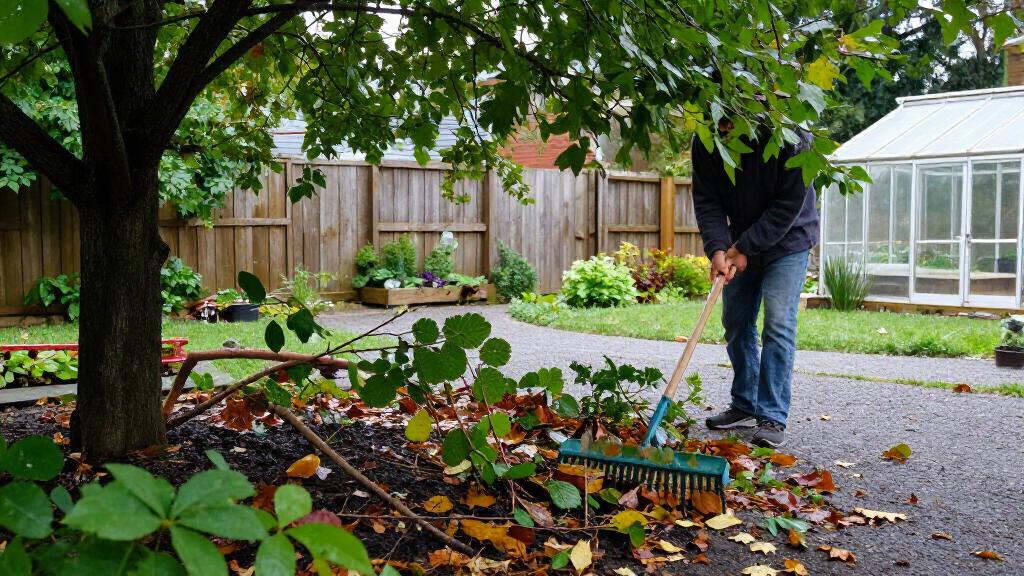
Homeowners generally have to clear leaves and branches that a storm blows onto their property from a neighbour’s tree, according to legal experts quoted by Ideal Home. The neighbour is not usually responsible just because the debris came from their land, although a claim may be possible if they failed to address a known and foreseeable risk from a damaged or unsafe tree.
Daniel Stern, a partner and head of property litigation and contentious probate at Slater Heelis Solicitors, told Ideal Home that the owner or occupier of the land where debris lands will generally be responsible for clearing it. A neighbour is not usually liable simply because leaves from their tree have crossed the boundary. That applies even when the clean-up follows severe weather.
Stern said that where a healthy tree loses a branch in exceptional weather, the affected homeowner will usually need to deal with the debris on their own property. If the fall damages a building or belongings, the homeowner may need to check whether their buildings or contents insurance covers the loss.
Paula Moses, legal director in the commercial dispute resolution team at Blacks, said a neighbour could potentially be liable where a tree causes injury or property damage and the owner failed to take reasonable care over a foreseeable risk. A diseased or structurally unsafe tree could be relevant, but disease by itself does not automatically establish negligence, and a healthy tree falling in a storm does not necessarily mean the owner acted improperly.
When Tree Debris Becomes a Claim
The guidance matters because storm clean-up can lead to disagreements about who pays, who clears the debris and whether a tree owner should have acted sooner. The experts’ comments draw a distinction between debris that happens to blow across a boundary and damage linked to an avoidable danger. That distinction may affect whether a homeowner’s practical next step is to clear the garden, contact an insurer or raise a documented safety concern with a neighbour.
For residents dealing with fallen branches, the report does not establish a rule that every case will have the same outcome. The condition of the tree, what its owner knew or reasonably should have known, the type of loss and the circumstances of the storm may all matter. People facing substantial damage or a dispute may need advice based on the facts of their own situation rather than relying on a general article.
Products Worth Considering

EGO POWER+ Cordless Leaf Blower, 765 CFM, with 5.0Ah Battery (LB7654)

EGO POWER+ LB6151 Cordless Leaf Blower with 2.5Ah Battery and Charger

Greenworks 48V Brushless 3-in-1 Leaf Blower, Vacuum, and Mulcher with Two 4.0Ah Batteries
As an affiliate, we earn on qualifying purchases.
The Advice Behind the Storm Report
Ideal Home’s article addresses a recurring source of neighbour disputes: leaves and branches that fall or blow onto adjoining land. Its source material refers to Storm Babet and Storm Austen in describing recent storm conditions, while the headline supplied for this request refers to Storm Boelo. The available material does not explain that difference, so the storm name and timing should not be treated as independently verified here.
The legal comments are attributed to two solicitors and describe general principles, not a decision in a particular court case. Stern’s guidance focuses on the usual responsibility for debris on the affected property and the possible role of insurance. Moses discusses circumstances in which a failure to manage a foreseeable danger might support a negligence or nuisance claim. Both stress that storm damage alone does not prove a neighbour was at fault.
For ongoing leaf fall, the article says a resident can ask a neighbour for help, but such assistance would generally be voluntary. Moses suggests that a friendly conversation may be a practical way to reach an arrangement, including agreeing to share the cost of help with clearing the garden.
“In most cases, the owner or occupier of the land where leaves or branches have fallen will be responsible for clearing them from their own property.”
— Daniel Stern, partner and head of property litigation and contentious probate at Slater Heelis Solicitors
What Tree Owners Knew
The supplied report does not identify a specific garden, tree owner, injury, property-damage case or legal ruling. It also does not establish whether any tree mentioned was diseased or unsafe before the storm. In a real dispute, what the owner knew, when they knew it and whether the risk was reasonably foreseeable may be disputed and would depend on evidence.
The source material gives no storm date, location-specific legal assessment or details of the relevant insurance policies. Its headline names Storm Boelo, while the body refers to Storm Babet and Storm Austen; the reason for that inconsistency is not provided. The legal comments should be read as general guidance attributed to the experts, not as a finding about an individual homeowner’s liability.
Steps After the Cleanup
For a resident facing ordinary leaf fall, the report’s immediate practical message is to clear debris from their own property and check insurance if a branch has caused damage. They can also ask the neighbour to help, while understanding that the article describes such help as a matter of goodwill rather than a general legal obligation.
If the concern is an ongoing danger rather than routine leaf fall, Stern recommends raising it with the neighbour and asking whether a suitably qualified tree surgeon has inspected the tree. If the neighbour does not engage and the resident believes there is a genuine safety risk, keeping a written record of concerns may help document what was raised and when. The supplied report does not name a formal deadline, official process or scheduled next development.
Key Questions
Who usually clears leaves and branches blown into my garden?
According to legal experts quoted by Ideal Home, the owner or occupier of the property where the debris lands will generally clear it. A neighbour is not usually responsible solely because the material came from their tree.
Can I claim against my neighbour if a branch damages my home?
Possibly, but the report says liability may depend on whether the neighbour failed to take reasonable care over a foreseeable risk, such as a tree known to be damaged or structurally unsafe. A branch falling during a storm does not by itself establish negligence. The article advises checking relevant insurance cover as well.
Does a diseased tree automatically make the neighbour liable?
No. Paula Moses told Ideal Home that disease alone does not automatically make a neighbour liable. The circumstances, including what the owner knew and whether reasonable care was taken, would matter.
What should I do if I think the tree is dangerous?
Raise the concern with the neighbour and ask whether a suitably qualified tree surgeon has assessed the tree, Stern advised. If the neighbour does not engage and you believe there is a genuine safety risk, keep a written record of the concern and when you raised it.
Is my neighbour required to help with regular leaf fall?
The report says there is generally no legal obligation for a neighbour to clear leaves that have naturally fallen onto someone else’s property. You can ask for help or agree to share the cost of clearing, but the article describes that arrangement as voluntary.
Source: idealhome.co.uk