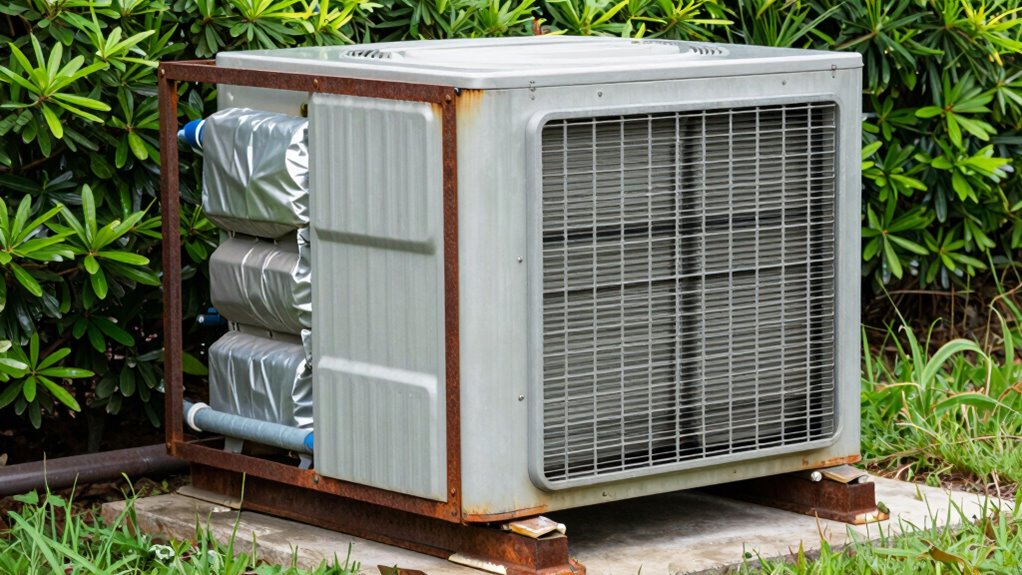
To protect refrigeration components outdoors, you should install weatherproof enclosures and covers to shield them from sun, rain, and debris. Apply corrosion-resistant coatings and use durable materials to prevent rust, especially in humid or salty environments. Regularly inspect and clean the equipment to catch any damage early, and elevate units off the ground to avoid water exposure. Adding insulation helps manage temperature and reduce condensation. Keep these tips in mind to guarantee long-lasting performance and safety.

Get garden gear delivered free — and shop member deals
- Fast, free delivery on millions of items
- Access to Prime Big Deal Days deals on October 6–7
- Prime Video, Amazon Music and more included
Key Takeaways
- Apply protective coatings and galvanization to prevent corrosion from moisture and salty environments.
- Use weatherproof enclosures with proper ventilation to shield components from weather elements.
- Insulate pipes and compressors to maintain temperature stability and reduce thermal stress.
- Conduct regular inspections and maintenance to identify and address early signs of wear or damage.
- Elevate equipment and ensure sealed seals to prevent water ingress and moisture buildup.
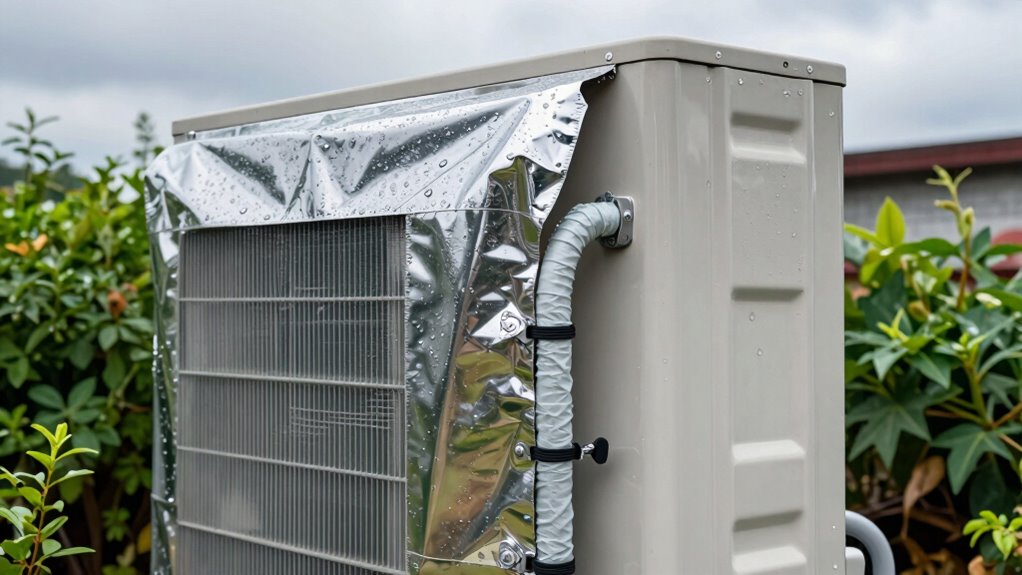
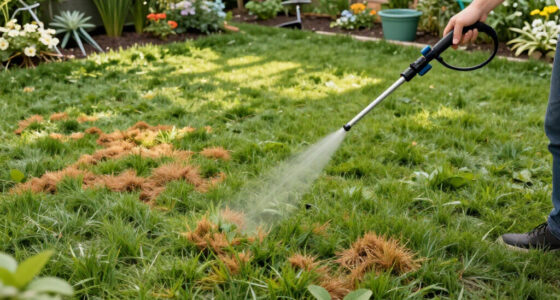
Outdoor refrigeration components face constant exposure to harsh weather, which can cause damage and reduce their lifespan. Wind, rain, snow, and sunlight are relentless forces that can accelerate wear and tear if you don’t take proper precautions. To protect your equipment, you need a proactive approach that includes corrosion prevention and thermal insulation. Corrosion is one of the most serious threats, especially in humid or salty environments, where metal parts can rust quickly. Applying protective coatings, such as specialized paints or galvanization, acts as a barrier to moisture and chemicals that cause corrosion. Regular inspections help identify early signs of rust so you can address them before they worsen. Additionally, using corrosion-resistant materials for essential components can considerably extend the lifespan of your refrigeration system.
Thermal insulation is equally imperative in outdoor settings. Extreme temperatures can cause the refrigeration unit to work harder, increasing energy consumption and risking mechanical failure. Proper insulation around pipes, compressors, and other vulnerable parts helps maintain stable temperatures, reducing strain on the system. Insulation materials like foam or rubber are lightweight, easy to install, and highly effective at minimizing heat transfer. When insulation is properly applied, it prevents condensation buildup, which can lead to corrosion and mold growth. It also boosts energy efficiency, saving you money in the long run. Combining insulation with weatherproof enclosures or covers that shield the components from direct sunlight and precipitation is essential for comprehensive protection. These covers prevent dirt and moisture from settling on vital parts, further lowering the risk of damage. Additionally, understanding the environmental factors that contribute to outdoor deterioration can help you tailor your protective measures more effectively. Incorporating preventive maintenance routines regularly can further mitigate long-term issues caused by outdoor exposure. Regular maintenance also helps you identify hidden damages early, preventing more costly repairs down the line. A thorough understanding of corrosion-resistant materials can guide you in selecting the best options for your environment.
Beyond corrosion prevention and thermal insulation, you should also consider routine maintenance and protective measures. Regularly cleaning your equipment removes dirt, debris, and corrosive residues. Check seals and gaskets to ensure they’re intact, preventing water ingress. Elevating equipment off the ground minimizes exposure to standing water, which accelerates corrosion. Installing weatherproof enclosures provides an extra layer of protection, shielding components from wind-driven rain and snow. Proper ventilation inside these enclosures prevents moisture buildup, which can be detrimental. By combining these strategies, you create a resilient system that withstands outdoor conditions. Remember, investing in preventive measures now will save you costly repairs and replacements later, ultimately extending the operational life of your refrigeration components and guaranteeing reliable performance regardless of the weather outside.
weatherproof outdoor refrigeration enclosure
As an affiliate, we earn on qualifying purchases.
As an affiliate, we earn on qualifying purchases.
Frequently Asked Questions
What Are the Best Outdoor Enclosures for Refrigeration Units?
You should choose outdoor enclosures made from durable materials like stainless steel or high-quality plastics that withstand weather conditions. Guarantee they include proper ventilation solutions to prevent overheating and moisture buildup. Look for enclosures with corrosion-resistant coatings and adequate airflow. By selecting a sturdy, well-ventilated enclosure, you protect your refrigeration unit from environmental elements, extending its lifespan and maintaining ideal performance in outdoor settings.
How Often Should Outdoor Refrigeration Components Be Inspected?
Did you know that neglected outdoor refrigeration components can fail up to 50% faster? You should inspect them at least quarterly, especially during extreme weather seasons. Follow detailed maintenance schedules and use thorough inspection techniques like checking for corrosion, leaks, and electrical connections. Regular inspections help catch issues early, reducing costly repairs and downtime. Make sure to document your findings to guarantee consistent care and peak performance year-round.
Can Outdoor Refrigeration Units Operate Efficiently in Extreme Weather?
Outdoor refrigeration units can operate efficiently in extreme weather if you implement proper corrosion prevention and insulation techniques. You should regularly inspect and maintain components, using protective coatings and corrosion-resistant materials. Adequate insulation helps maintain ideal temperatures and prevents energy loss. Ensuring these measures are in place allows your units to withstand harsh conditions, maintain efficiency, and extend their lifespan, even during severe weather events.
What Are Common Signs of Outdoor Refrigeration Component Failure?
You might notice leaks, strange noises, or reduced cooling efficiency—signs of outdoor refrigeration component failure. Corrosion prevention is essential, as rust can weaken parts over time, while vibration impact can cause loosening or damage. Pay attention to increased energy consumption or frequent cycling, which also signal issues. Recognizing these signs early helps prevent costly repairs, ensuring your unit continues to operate smoothly despite outdoor challenges.
Are There Specific Refrigerants Better Suited for Outdoor Use?
Yes, certain refrigerants are better suited for outdoor use. You should prioritize refrigerants with high compatibility with outdoor conditions, ensuring they resist temperature fluctuations and weather exposure. Additionally, consider their environmental impact—prefer environmentally friendly options like R-290 or R-600a, which have lower global warming potential. Choosing the right refrigerant based on compatibility and environmental impact helps your system operate efficiently and reduces ecological harm.
corrosion resistant coating for refrigeration
As an affiliate, we earn on qualifying purchases.
As an affiliate, we earn on qualifying purchases.
Conclusion
To keep your outdoor refrigeration components functioning smoothly, you must shield them from the elements, prevent corrosion, and guarantee proper ventilation. Regular maintenance, thoughtful placement, and protective coatings are essential. By inspecting, cleaning, and covering, you safeguard your equipment’s efficiency, durability, and lifespan. In protecting your refrigeration components, you protect your investment, your productivity, and your peace of mind. Commit to these steps, and you’ll ensure your outdoor refrigeration operates reliably, efficiently, and for years to come.
outdoor insulation foam for pipes
As an affiliate, we earn on qualifying purchases.
As an affiliate, we earn on qualifying purchases.
refrigeration system protective covers
As an affiliate, we earn on qualifying purchases.
As an affiliate, we earn on qualifying purchases.
Fall yard work Picks
leaf blowers
As an affiliate, we earn on qualifying purchases.