TL;DR

Get garden gear delivered free with Prime
- Fast, free delivery on millions of items
- Prime Video, Amazon Music and more included
- Member-only deals all year
A Homes & Gardens gardening report recommends removing perennial weeds in October to reduce the work and competition they can create in spring. The advice depends on digging out the full root or rhizome network: fragments left behind can regrow. The article says to weed before frost and mulch afterward, but gives no measured estimate of time saved.
A Homes & Gardens report recommends removing perennial weeds in October to reduce their return and the weeding burden in spring, when they can compete with seedlings, bulbs and other plants. The advice comes with a condition: gardeners need to remove the whole root or rhizome network, because fragments left in the soil can regrow.
The report names dandelions, bindweed and couch grass among perennial weeds that can survive winter underground and send up new growth the following season. Their roots, rhizomes or tubers store nutrients that help them persist. Removing those underground structures in fall can limit the regrowth gardeners face in spring, the article says, though it does not quantify how much work this might save.
October may also make the job easier because many garden plants have died back, leaving weeds more visible, and moist soil can be looser and easier to dig. The report cautions that these conditions vary: gardeners should avoid working soil that is frozen or waterlogged, and should act before frost arrives if possible.
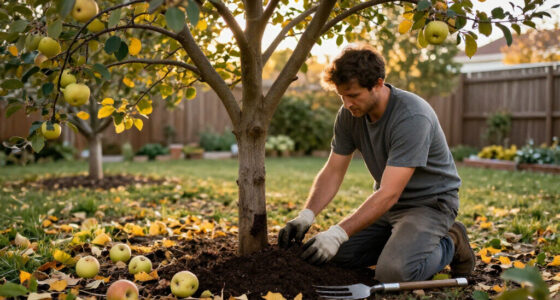
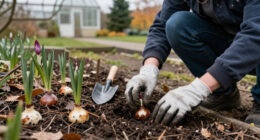
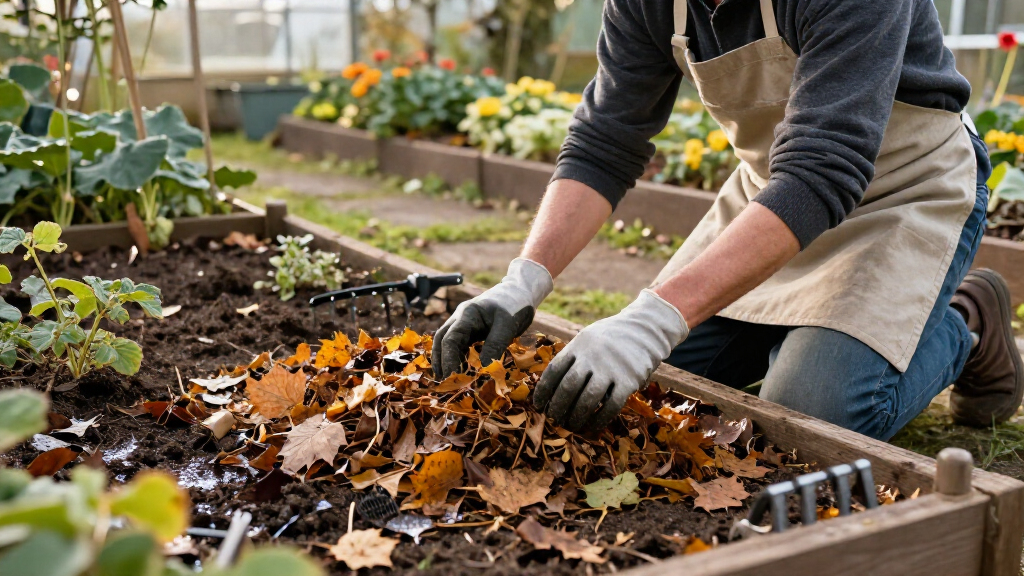
For removal, the article suggests a trowel, standing weeder, dandelion weeder or hori-hori knife—tools that can help lift roots rather than cut off surface growth. It warns that a hoe used only to slice weeds at ground level leaves roots behind; some weeds may also regrow from small root or rhizome fragments. After weeding, the report recommends applying two or three inches of mulch, such as compost, leaves or wood mulch, to beds and borders.
The Root Work Behind Less Spring Weeding
For gardeners, the practical payoff is about timing and reduced competition, not a promise that one fall session will eliminate weeds. Removing perennial weeds while beds are less crowded may make it easier to distinguish unwanted growth from emerging flowers and bulbs. In spring, new shoots can be harder to identify, and weeds can compete with garden plants for water, light and nutrients.
The qualification matters: incomplete removal can leave the problem in place. Cutting the tops off may make a bed look tidier without removing the underground growth that produces new shoots. The report’s advice is to treat extraction as the main task and use tools suited to the weed and soil, rather than assume any quick surface cut will prevent a return.
Products Worth Considering

Traeger Woodridge Pro Wood Pellet Grill and Smoker, 970 sq. in., WiFIRE

Solo Stove Bonfire 2.0 Smokeless Wood-Burning Fire Pit with Stand, Silver

Weber Searwood 600 Wood Pellet Smoker Grill, Black
As an affiliate, we earn on qualifying purchases.
Why October Can Suit Root Removal
The seasonal recommendation rests on two conditions described in the report: weed visibility and soil texture. As other plants die back, perennial weeds may be easier to spot. Moist fall soil can also be easier to work than hard, dry ground, helping gardeners lift deep taproots and spreading roots intact.
That does not make October suitable in every garden or in every year. The source advises against working in frozen or waterlogged soil and frames removal as work to do before frost. It also notes that spring beds can contain newly emerging perennials and bulbs, making it harder to tell desirable shoots from weeds.
“The crucial point to remember with perennial weeds is that they must be completely removed to stop them from coming back.”
— Homes & Gardens report
How Much Spring Work It Can Save
The report provides no measured estimate of how much time October weeding saves or how reliably it prevents spring growth. Results will depend on the weed, the extent of its underground root system, soil conditions and whether gardeners remove all of it. The source also does not give separate removal instructions for each weed species, so the best tool and approach may vary.
Its recommendation concerns manual removal and mulching; it does not establish that every perennial weed can be eliminated in one session. Gardeners should expect that overlooked root fragments may produce new growth and require follow-up.
Inspect Beds Before Frost Arrives
Gardeners following the report’s advice can inspect beds and borders in October, identify perennial weeds and dig them out before frost, while soil remains workable. They should check that roots and rhizomes have been lifted rather than left in pieces, then spread the suggested two- to three-inch mulch layer over the cleared area.
Any remaining or returning growth can be checked in spring. The source offers no further schedule or guaranteed outcome, so the extent of follow-up will depend on what reappears and local garden conditions.
Key Questions
Which weeds does the report identify as perennial?
It names dandelions, bindweed and couch grass, and also discusses dock as a weed that can be difficult to remove because root fragments may regrow.
Why remove perennial weeds in October?
The report says fall removal can reduce regrowth and competition in spring. Weeds may be easier to see after other plants die back, and moist soil can make roots easier to dig up.
Is cutting a weed off at soil level enough?
No. The report says cutting off the top can leave roots or rhizomes in the ground, where they may resprout. Its guidance is to remove the entire underground root system.
What should gardeners do after removing the weeds?
The report recommends covering the area with two or three inches of mulch, such as compost, leaves or wood mulch. It advises doing the work before frost and not digging in frozen or waterlogged soil.
Source: rss