TL;DR

Get garden gear delivered free with Prime
- Fast, free delivery on millions of items
- Prime Video, Amazon Music and more included
- Member-only deals all year
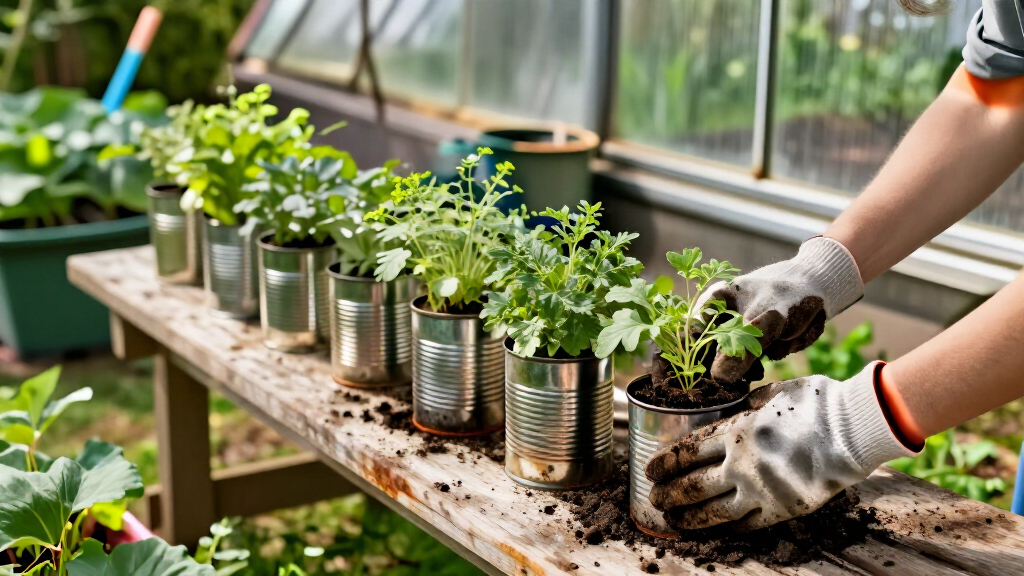
Gardening Know How has published a guide describing eight uses for cleaned food cans in the garden, including seed-starting pots, cutworm collars, tool storage and lanterns. The ideas are low-cost reuse projects, but cans need safe edge handling, drainage where used with plants, and realistic expectations about pest control and rust.
Gardening Know How has published a guide to eight ways gardeners can reuse empty food cans, including as seed-starting pots, plant collars, tool organizers and patio lanterns. The report presents the projects as inexpensive ways to repurpose cans, while advising readers to clean them, address sharp edges and make drainage holes before using them with plants.
For seed starting, the guide recommends punching several holes in the bottom of a clean can and filling it with a light, sterile seed-starting mix rather than garden soil. Because metal does not breathe like terracotta, gardeners should check the mix before watering. To transplant a seedling, the article suggests removing the can’s bottom and pushing the root ball out.
A second use is a cutworm collar: open both ends of a can, place it around a young plant and press it about 1–2 inches (2.5–5 cm) into the soil, leaving part of the can above ground. The report says this can help protect stems from cutworms, but cautions that cans are not a dependable barrier against slugs. Hanging cans may also startle birds temporarily, though birds can become accustomed to them.
Other suggestions include holding twine, labels and hand tools at a potting bench; scooping compost or granular fertilizer; and growing compact herbs such as thyme, chives and oregano. The remaining ideas in the report are to use cans as fall lanterns and as winter homes for hollow plant stems. For long-term outdoor use, it recommends drainage and says painting the outside may help, while noting that cans will eventually rust.
Practical Reuse for Garden Tasks
The suggestions offer gardeners ways to reuse an item already headed for recycling and avoid buying some small containers or organizers. The projects range from temporary seed pots to simple storage, so their usefulness depends on the can’s condition and the job it is assigned.
The guide also makes clear that reuse has limits. Metal cans can develop rust, and their edges can cut. Pest-related uses should be treated as partial or short-term deterrents, not guarantees: the article specifically warns that slugs can climb over a can and birds may get used to moving cans.
As an affiliate, we earn on qualifying purchases.
Preparing Cans for Garden Use
The report advises washing cans with hot, soapy water and using a bottle brush to remove food residue. Soaking can help loosen labels and adhesive. It identifies sharp edges as the main handling risk: a smooth-edge opener may leave a duller lip, while jagged edges can be flattened with pliers or filed. The author recommends wearing gloves during this work.
For planting uses, drainage is important because standing water can collect in a can. The report says ordinary cans are generally steel with a thin tin coating, so rain and damp soil can eventually wear through the coating. It recommends painting the exterior of cans that will remain outdoors for an extended period and recycling cans that are too deteriorated to reuse.
As an affiliate, we earn on qualifying purchases.
Limits of the Can Projects
The supplied report does not provide comparative tests showing how well can planters perform against commercial pots or how much protection collars offer across different gardens. Its pest suggestions are presented as practical ideas, not proven controls: slugs may still get past collars, and birds may become accustomed to hanging cans.
The source excerpt ends partway through its instructions for making lanterns, so it does not provide the complete method or all eight project descriptions. It also gives no publication date. The recommendations should not be read as a guarantee of plant health or pest prevention.
As an affiliate, we earn on qualifying purchases.
Choose a Safe Reuse Project
Gardeners following the guide can start by choosing a can suited to a specific task, then cleaning it and checking for sharp edges. For plants, they should add drainage holes and monitor moisture; for outdoor use, they should watch for rust and replace cans that have become unsafe or unstable.
The report does not announce a follow-up test or product review. Its practical next step for readers is to use each can only for an appropriate garden purpose, keep fertilizer scoops separate from household use, and continue placing worn metal cans in recycling when reuse is no longer practical.
As an affiliate, we earn on qualifying purchases.
Key Questions
Can food cans be used as seed-starting pots?
Yes. The report recommends cleaning the can, punching drainage holes in its base and using a light, sterile seed-starting mix. Since metal does not breathe like terracotta, check the mix before watering.
Do tin cans keep slugs and cutworms away?
The guide says a can collar may help protect young stems from cutworms when it is open at both ends and partly buried. It warns that slugs may climb over a can, so it should not be treated as a reliable slug barrier.
How should sharp can edges be handled?
Clean the can first, wear gloves, and flatten jagged edges with pliers or file them down. The report says a smooth-edge opener can leave a duller lip than a conventional opener.
Will cans rust if left outside?
Eventually, the report says. It describes most cans as steel with a thin tin coating that wears through over time in rain and wet soil. Drainage, exterior paint and replacing badly deteriorated cans can help with safe reuse.
Source: rss
Halloween Picks
halloween
As an affiliate, we earn on qualifying purchases.