
TL;DR

Get garden gear delivered free with Prime
- Fast, free delivery on millions of items
- Prime Video, Amazon Music and more included
- Member-only deals all year
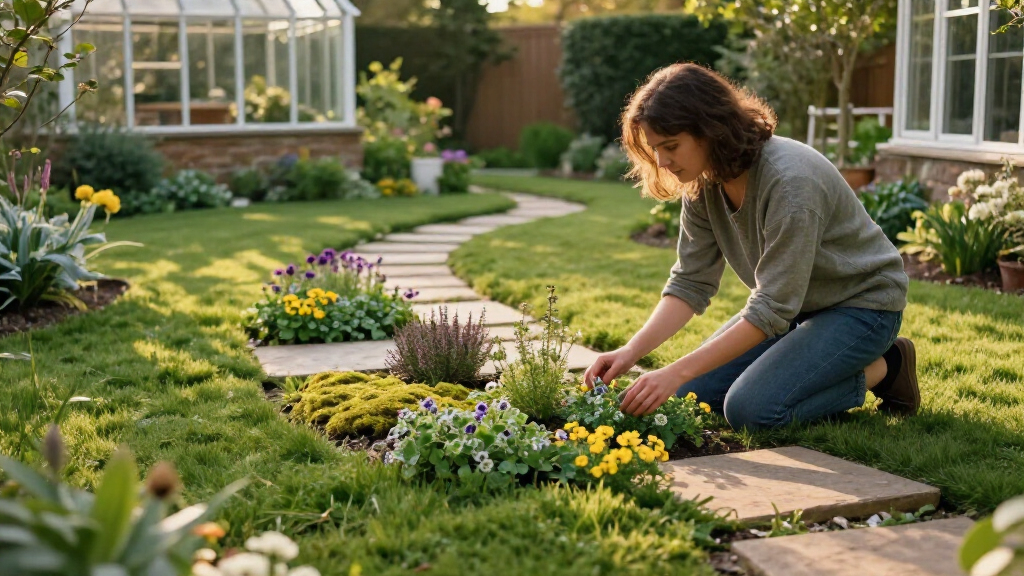
Garden designer Sophie Butcher replaced a 20-by-9-metre former concrete farmyard with a grass-free patchwork garden planted with nearly 100 types of plants over five years. The design changes through the seasons and attracts wildlife, but Butcher says it needs weeding and management to control spreading plants.
Garden designer Sophie Butcher has replaced a 20-by-9-metre former concrete farmyard with a grass-free patchwork garden featuring nearly 100 types of plants. The project, developed over five years as part of a barn conversion, is designed to provide colour and interest across the seasons while offering food and habitat for wildlife.
According to Amateur Gardening, Butcher of Hither Garden Designs began with an expanse of bare earth left after the farmyard’s concrete was removed. Rather than lay turf, she chose a low-growing planted area surrounded by herbaceous planting. The garden’s borders and central ground cover have since grown together into a patchwork rather than a conventional lawn.
Before planting, Butcher added 20 tonnes of compost from a local recycling centre. Reclaimed bricks form an edge, while the dug-up concrete was reused as a foundation for the barn conversion. Over the following five years, she added close to 100 plant types, combining bulbs and corms, cultivated ground covers and native wildflowers.
The planting includes spring bulbs such as snake’s head fritillary, dwarf narcissus and irises, alongside ground-covering thyme, sedums and geraniums. Wildflowers include daisies, yarrow, clover, primrose, self-heal and forget-me-not. The report describes hellebores and frost-touched foliage in winter, bulbs in spring, flowering geraniums and St John’s wort in summer, and gentian, erigeron, sedums and asters later in the year.
A Lawn Designed to Change
The project offers an example of a garden design that treats the lawn area as a planted habitat rather than a uniform stretch of grass. Its seasonal changes come from a mix of flowering periods, foliage and seed heads, while the low-growing plants retain the open, lawn-like centre Butcher wanted. This approach may interest people looking to add more variety to a garden or reuse a space left bare by construction.
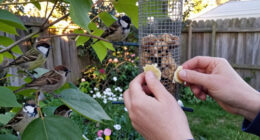
Butcher told Amateur Gardening that the garden draws honey bees, bumblebees, butterflies, birds and other wildlife during the warmer months. She said bees first arrive around March and the last are still foraging in November. Those observations are her account of activity in this garden; the report does not provide a wildlife survey or quantify how its planting compares with a grass lawn.
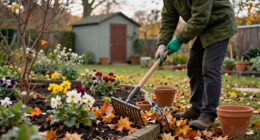
The design also illustrates a practical trade-off: a grass-free lawn is not maintenance-free. Butcher says some plants spread aggressively, seedlings need managing and spent growth can look untidy if left in place. The value of the design lies in its changing planting and wildlife interest, but achieving that effect requires ongoing attention.
Products Worth Considering

Husqvarna Automower 550 Robotic Lawn Mower

Greenworks 80V 21-Inch Self-Propelled Lawn Mower with 4.0Ah Battery and Charger

EGO POWER+ 21-Inch Cordless Self-Propelled Lawn Mower Kit, LM2135SP
As an affiliate, we earn on qualifying purchases.
From Farmyard to Planting
The garden was created as part of a barn conversion, on a former farmyard area measuring 20 metres by nine metres. The starting point was a patch of earth where concrete had been removed, rather than an established garden or existing lawn. The concrete had a separate practical use in the conversion project, while compost, reclaimed bricks and planting shaped the garden space.
Butcher said she wanted a low-growing centre, roughly the height of a lawn, set among taller herbaceous borders. She described the conventional perfect green lawn as lacking the colour, change and insect activity she wanted in this setting. That is her design preference, not a claim that every grass lawn has the same ecological value or requires the same care.
The report’s plant list shows how the garden combines different kinds of planting rather than relying on one ground-cover species. Bulbs and corms add short seasonal displays; cultivated ground covers fill space; and wildflowers contribute additional flowers. The mix is intended to keep some visible interest through the year, though flowering times and results can vary with local conditions.
“I wanted something low-growing in the center the height of a lawn surrounded by taller herbaceous borders, although borders and grass-free lawn now meld.”
— Sophie Butcher, garden designer at Hither Garden Designs, as quoted by Amateur Gardening
Maintenance and Wildlife Evidence
The report does not give a detailed maintenance schedule, annual costs, or information about how much time Butcher spends weeding and trimming. It also does not establish which plants would suit other gardens, where growing conditions may differ. Butcher’s warning about creeping cinquefoil and her experience with self-seeding plants are specific to her planting and management.
Wildlife activity is described by Butcher, but no counts, survey method or comparison with the former concrete surface or a conventional lawn are provided. The source also does not report measurements of soil, water use or other environmental effects. Those outcomes should not be inferred from the plant list alone.
The article’s headline frames the design as providing interest in every season, and its account names plants and displays for winter, spring, summer and autumn. The precise timing and intensity of flowers will depend on conditions, and the report does not provide a year-by-year record of bloom.
Managing the Living Patchwork
The garden is already a five-year project, but its planting will continue to require seasonal care. Butcher says gardeners need to remove unwanted seedlings or seed heads where necessary and pull back plants that encroach on their neighbours. She specifically advises against creeping cinquefoil in this kind of grass-free lawn, based on her experience with its spread.
For readers considering a similar approach, the immediate next step is to plan for both planting and maintenance: select plants suited to the site, account for their growth habits, and expect to adjust the mix as it develops. The source does not announce a new phase or a formal follow-up project. It remains unclear whether Butcher plans further changes; the garden’s ongoing development and seasonal care are the next visible parts of the story.
Key Questions
Who created the grass-free patchwork garden?
Sophie Butcher, a garden designer at Hither Garden Designs, created it as part of a barn conversion project, according to Amateur Gardening.
How large is the garden area?
The planted area measures 20 metres by nine metres. It was a former concrete farmyard area that had been left as earth after the concrete was removed.
Does a grass-free lawn need maintenance?
Yes. Butcher says the garden needs weeding and management, including removing unwanted seedlings and pulling back plants that spread into other areas. She describes creeping cinquefoil as particularly difficult to control in her garden.
What plants provide seasonal colour?
The planting includes bulbs such as snake’s head fritillary, irises and dwarf narcissus; ground covers such as thyme and sedums; and wildflowers including daisies, primrose and clover. The report also names summer-flowering geraniums and St John’s wort, and later-season erigeron, gentian, sedums and asters.
Has the garden’s effect on wildlife been independently measured?
No wildlife survey or comparison is included in the source report. Butcher says bees, butterflies, birds and other wildlife visit the garden, but the account does not quantify those observations.
Source: amateurgardening.com