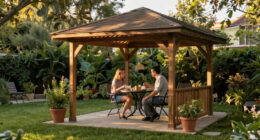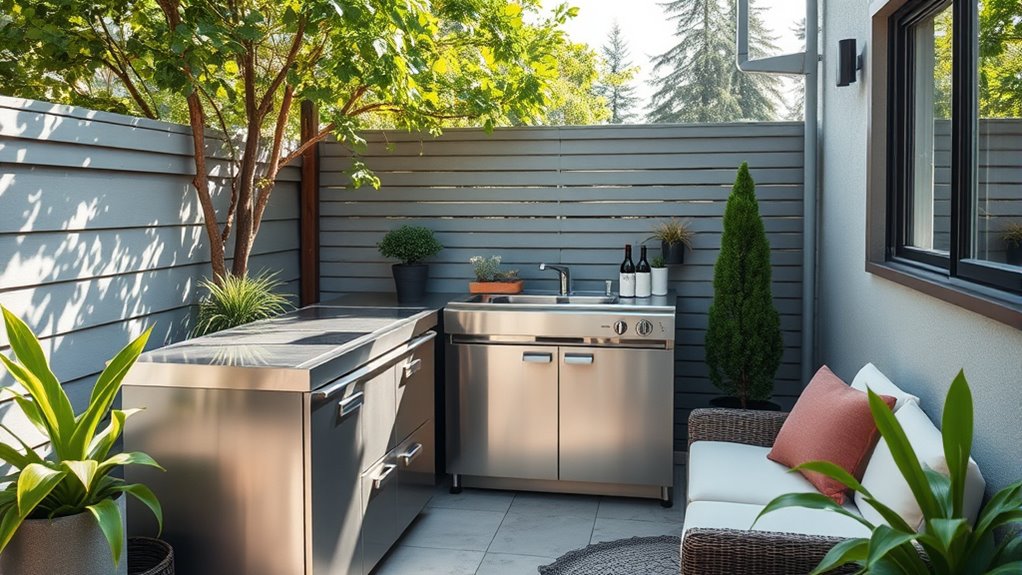

For a small patio, the best overall pick is Rain Guard Concrete Sealer if you want a ready-to-use, natural-looking water repellent for concrete. MasonryDefender Patio Paver Sealer is a strong alternative for pavers when a low-gloss finish is preferred, while Miracle Sealants 511 Impregnator suits buyers seeking a penetrating option for compatible stone and tile. The main tradeoff is between a natural finish that preserves the surface’s appearance and a gloss or color-enhancing sealer that changes how it looks. Surface compatibility, slip concerns, and how much product a compact patio actually needs matter as much as the sealer label. Read on for the full comparison and guidance on choosing a product for your patio’s material and finish.

Get garden gear delivered free with Prime
- Fast, free delivery on millions of items
- Prime Video, Amazon Music and more included
- Member-only deals all year
Complete the kit


Key Takeaways
- Concrete and pavers call for different shortlists: Rain Guard is aimed at concrete, while MasonryDefender is specifically positioned for patio pavers and offers a low-gloss finish.
- Natural-look protection leads this roundup: Rain Guard, Serveon Natural Stone Sealer, and Miracle 511 emphasize penetrating or natural-finish protection rather than a wet-look coating.
- Gloss and color enhancement are deliberate appearance choices: Miracle High-Gloss and the Wet Look sealers can change the surface’s look, so they are less suitable when preserving a dry, natural appearance is the priority.
- Small patios make package size and application method matter: Pint and quart options may limit leftover product, while gallon formats make more sense when coverage needs are larger or repeat applications are planned.
- Broad surface claims need careful matching: Products listing multiple materials, such as ProCare’s masonry-and-wood formula, still call for checking the label against the patio’s exact surface and conditions.


| countersealer for small patio | Volume | Coverage | Finish |
|---|---|---|---|
| Rain Guard Concrete Sealer 1 G | 1 gallon (128 fl oz) | Up to 200 sq ft per gallon; varies with porosity | Natural, invisible finish |
| Serveon Sealants Natural Stone | 1 gallon | 200–450 sq ft per gallon | Clear natural |
| Miracle Sealants High-Gloss Fi | 1 quart | — | High gloss |
| Serveon Sealants H2100S2 Natur | 1 gallon (128 fl oz) | 200–400 sq ft per gallon | Clear natural matte |
| MORE Premium Stone Sealer | 1 pint (16 oz) | Up to 125 sq ft per pint | — |
| StoneTech BulletProof Sealer | 32 fluid ounces | About 900 sq. ft. per gallon | — |
| Wet Look Stone Sealer | 32 oz | 130–250 sq. ft. per bottle, depending on porosity | High-gloss wet look |
| ProCare Premium Masonry and Wo | 1 gallon | — | — |
| Wet Look Stone Sealer 1 Quart | 1 quart | 50–80 sq. ft. per quart, depending on porosity | Wet-look satin |
| Miracle Sealants 511 Impregnat | Quart | — | — |
| Weiman Granite & Stone Sealer | 24 ounces | — | — |
| MasonryDefender Patio Paver Se | 1 gallon (128 fluid ounces) | 75–150 square feet per gallon | Clear, low gloss |
| Black Diamond Stoneworks Concr | 1 quart (32 fluid ounces) | — | — |
More Details on Our Top Picks
Rain Guard Concrete Sealer 1 Gallon – Ready to Use, Natural Finish, Deep Penetrating Protection Against Water and Salt Damage for All Concrete Surfaces, Silane/Siloxane Waterproofer
For a small patio made of concrete, Rain Guard is my strongest all-around fit: its silane/siloxane formula creates an invisible, no-gloss barrier rather than changing the surface into a shiny coating. That suits buyers who want protection from water and salt while keeping the slab’s existing look. The stated coverage of up to 200 square feet per gallon can leave plenty for a compact patio, though actual coverage depends on porosity. Compared with Serveon H2100S2, Rain Guard is specifically positioned for concrete and offers a longer stated protection period; Serveon is the more natural match for stone patios. The tradeoff is application care: Rain Guard calls for two flood coats, so it takes more attention than a one-pass approach. Its low-odor, VOC-free formula is a plus around occupied outdoor spaces.
Pros:- Invisible, filmless finish keeps concrete looking natural
- Designed to resist water and salt damage
- Up to 200 square feet of stated coverage per gallon
- VOC-free, low-odor formula with a stated drying time of one hour
Cons:- Two flood coats require careful, even application
- Coverage varies with the concrete’s porosity
- Its concrete focus makes Serveon H2100S2 a more direct fit for natural-stone patios
Best for: Owners of small concrete patios who want a natural-looking water and salt barrier and can apply two thorough coats.
Not ideal for: Buyers sealing natural-stone patios who want a product specifically labeled for stone, or anyone seeking a glossy, color-enhancing finish.
- Formulation:Water-based silane/siloxane
- Volume:1 gallon (128 fl oz)
- Coverage:Up to 200 sq ft per gallon; varies with porosity
- Coats:Two flood coats recommended
- Finish:Natural, invisible finish
- Drying time:1 hour at 75°F
- Protection duration:Up to 5 years
- VOC and odor:VOC-free; low odor
Our verdict“Choose Rain Guard for a compact concrete patio if you value clear, long-lasting protection over a quicker single-coat application.”
Serveon Sealants Natural Stone Sealer (Clear Natural Finish) 1 Gallon
Serveon H2100S makes the most sense when a small patio is built from travertine, limestone, or flagstone, rather than plain concrete. Its water-based penetrating formula aims to protect stone pores without darkening the surface, keeping the patio’s natural color and finish intact. The listed coverage range—200 to 450 square feet per gallon—could stretch well beyond a small patio, but stone porosity makes the actual amount less predictable. Compared with Rain Guard Concrete Sealer, this pick is more clearly tailored to natural stone, while Rain Guard offers a longer stated protection period and a more direct concrete focus. Serveon dries in under two hours and can be applied with a brush, roller, or sprayer. Its main compromise is upkeep: protection is listed for up to three years, so it may need reapplication sooner than Rain Guard.
Pros:- Made for indoor and outdoor natural stone, including travertine and limestone
- Clear natural finish is intended to avoid darkening the surface
- Applicable by brush, roller, or sprayer with no mixing required
- Under-two-hour stated dry time
Cons:- Coverage varies widely from 200 to 450 square feet per gallon
- Protection is stated for up to three years, shorter than Rain Guard’s stated duration
- Highly porous stone may require more product than the upper coverage figure suggests
Best for: Homeowners with a small travertine, limestone, or flagstone patio who want a clear sealer that preserves the stone’s natural appearance.
Not ideal for: Concrete-patio owners prioritizing a longer stated protection period, or anyone who wants predictable coverage across highly porous stone.
- Formulation:Water-based penetrating sealer
- Volume:1 gallon
- Coverage:200–450 sq ft per gallon
- Finish:Clear natural
- Dry time:Under 2 hours
- Protection duration:Up to 3 years
- Suitable surfaces:Indoor and outdoor stone, including travertine, limestone, and flagstone
- Origin:Made in USA
Our verdict“Pick Serveon H2100S for a small natural-stone patio when preserving the stone’s color matters more than maximizing the time between applications.”
Miracle Sealants High-Gloss Finish Sealer for Tile & Stone (Quart)
This quart-sized sealer has a distinct place in the lineup, but it is not a fit for an outdoor patio: its listed application area is interior only. The high-gloss finish is suited to buyers who want shine on indoor tile or stone, not those trying to protect a small patio while retaining a matte, natural look. Compared with Serveon H2100S2, which is designed for indoor and outdoor natural stone and keeps a clear matte appearance, Miracle Sealants makes a very different finish and use-case tradeoff. Its low-VOC formulation and transparent finish are relevant indoors, where preserving the material’s appearance may matter. The product data does not provide a coverage figure or drying time, making project planning less specific. I would include it only if the job is actually an indoor tile or stone surface, not an exterior patio.
Pros:- High-gloss finish for indoor surfaces where added shine is wanted
- Transparent finish is intended to preserve the material’s appearance
- Low-VOC formulation
- Quart size suits a smaller indoor sealing project
Cons:- Listed for interior use only, so it does not match an outdoor patio job
- Gloss may look wrong beside natural-finish options such as Serveon H2100S2
- Provided product data does not specify coverage or drying time
Best for: Homeowners who need a high-gloss sealer for an indoor tile or stone surface and are not shopping for outdoor patio protection.
Not ideal for: Anyone sealing a small outdoor patio, especially buyers who want a natural matte look or weather protection.
- Surface type:Tile and stone
- Application area:Interior only
- Volume:1 quart
- Finish:High gloss
- VOC level:Low
- Appearance:Transparent
Our verdict“Skip this for a patio and choose it only for a small indoor tile or stone project where a glossy finish is desired.”
Serveon Sealants H2100S2 Natural Stone & Patio Sealer (Clear Natural Finish) – 1 Gallon
Serveon H2100S2 is the clearest match here for buyers sealing a small natural-stone patio who want to avoid added shine or a slippery coating. Its clear matte finish is intended to leave pavers and patio stone looking much as they did before application, while the water-based penetrating formula targets moisture, saltwater, and staining. Compared with Serveon H2100S, this version is explicitly presented for stone and patio use and lists a narrower coverage range of 200 to 400 square feet per gallon. That range may be easier to plan around, though porosity still matters. It dries in under two hours and offers up to three years of stated protection. The tradeoff against Rain Guard is a shorter stated protection period; the tradeoff against a gloss sealer is that it will not create a polished, color-enhanced look.
Pros:- Specifically described for natural stone and patio surfaces
- Clear matte finish avoids an artificial shine
- Water-based formula with under-two-hour stated dry time
- Targets moisture, saltwater, and staining
Cons:- Coverage varies from 200 to 400 square feet per gallon with surface porosity
- Highly porous stone may need multiple coats
- Up to three years of stated protection is shorter than Rain Guard’s stated duration
Best for: Owners of small stone or paver patios who want an outdoor-rated, matte-finish sealer that preserves the surface’s existing appearance.
Not ideal for: Concrete owners seeking the longer stated protection of Rain Guard, or buyers who want a wet-look gloss or enhanced color.
- Formulation:Water-based penetrating sealer
- Volume:1 gallon (128 fl oz)
- Coverage:200–400 sq ft per gallon
- Finish:Clear natural matte
- Dry time:Under 2 hours
- Protection duration:Up to 3 years
- Application:Sprayer, roller, or brush
- Origin:Made in USA
Our verdict“Choose Serveon H2100S2 for a small stone patio when a natural matte look and outdoor suitability matter more than a longer stated protection interval.”
MORE Premium Stone Sealer – Water Based Formula – Protection for Natural Stone and Tile Surfaces [Pint / 16 Oz.]
” image=”https://m.media-amazon.com/images/I/31-tq3tD6OL._SX342_SY445_QL70_ML2_.jpg” link=”0″]Best Small-Project Pint
View on AmazonMORE’s pint is the practical pick when the patio is genuinely small or when you need a limited amount for a touch-up, rather than a full gallon left over. Its 16-ounce size is listed to cover up to 125 square feet, and the sealer is described for natural stone, tile, grout, and concrete. That flexibility makes it broader in surface range than Serveon H2100S2, which is presented specifically for natural stone and patio use. The application routine is less forgiving, though: apply with a brush, roller, or pad, then wipe off after 15 minutes. Leaving excess behind can cause streaks, and the recommended temperature range is 50–80°F. Compared with Rain Guard’s gallon format, MORE is easier to reserve for a small job but offers much less total coverage.
Pros:- Pint format limits leftover product on a small project
- Listed for natural stone, tile, grout, and concrete
- Water-based, low-odor, unscented formula
- Can be applied with a brush, roller, or pad
Cons:- Stated coverage is only up to 125 square feet per pint
- Excess must be wiped off after 15 minutes to reduce streaking
- Application is limited to the recommended 50–80°F temperature range
Best for: DIYers sealing a very small patio, a limited section, or mixed stone-and-grout areas who want a pint rather than a full gallon.
Not ideal for: Owners of patios near or above 125 square feet, or anyone unable to wipe away excess within the stated application window and temperature range.
- Formulation:Water-based
- Volume:1 pint (16 oz)
- Coverage:Up to 125 sq ft per pint
- Listed surfaces:Natural stone, tile, grout, and concrete
- Application tools:Brush, roller, or pad
- Wipe-off timing:Wipe excess after 15 minutes
- Recommended temperature range:50–80°F
- Model:MPS16
Our verdict“Choose MORE for a small patio section or touch-up where pint-sized coverage is useful and you can follow its wipe-off timing.”
StoneTech BulletProof Sealer, 1 Quart/32 Oz
For a small patio with natural stone or grout, I’d choose StoneTech BulletProof when resisting oil and water stains matters more than changing the surface’s appearance. Its clear, water-based formula is intended for stone and grout, and the stated coverage—about 900 square feet per gallon—makes a quart a practical size for a limited area. Compared with the Wet Look Stone Sealer, it protects without promising a glossy, color-deepening finish, which suits owners who want the existing look to remain. The tradeoff is that its strongest stated durability, up to five years, applies to interior surfaces; patio performance may differ. I’d also plan for careful cleaning, a test patch, and ventilation during application.
Pros:- Targets both oil-based and water-based stains on natural stone and grout
- Clear finish does not advertise a color-enhancing wet look
- High stated coverage per gallon suits a small surface
- Can be applied to damp surfaces
Cons:- The up-to-five-year protection claim is specified for interior surfaces, not patios
- Surface cleaning and a test patch are required before application
- Application requires good ventilation
Best for: Small-patio owners with natural stone or grout who want stain protection while keeping a clear, non-wet-look appearance.
Not ideal for: Buyers seeking a bold glossy finish or a product with clearly stated multi-year outdoor durability.
- Brand:StoneTech
- Volume:32 fluid ounces
- Coverage:About 900 sq. ft. per gallon
- Material:Natural stone and grout
- Application:Interior and exterior surfaces
- Form:Liquid
- Color:Clear
- Water resistance:Waterproof
Our verdict“Choose StoneTech BulletProof for a small stone patio where stain resistance and a clear appearance matter more than a guaranteed outdoor lifespan.”
Wet Look Stone Sealer, 32 Oz, High Gloss Concrete Sealer & Color Enhancer
If the point of sealing a compact patio is to make faded stone or concrete look richer, this high-gloss wet-look sealer is the most appearance-led choice in this group. It is listed for many surfaces, including stone, concrete, and masonry, and its stated 3–5 year protection includes freeze/thaw resistance—useful for exposed outdoor paving. Compared with StoneTech BulletProof, this product deliberately deepens color and adds shine rather than prioritizing a clear, unchanged look. That visual effect is also the main tradeoff: gloss may not suit every patio, and coverage ranges from 130 to 250 square feet per bottle depending on porosity. I’d reserve it for a small area after cleaning, drying completely, and testing an inconspicuous patch.
Pros:- Adds a high-gloss wet look and deepens surface color
- Stated 3–5 year protection is non-yellowing
- Freeze/thaw resistance suits outdoor patio exposure
- Works across several listed stone, concrete, and masonry surfaces
Cons:- Glossy color enhancement can noticeably alter the patio’s appearance
- Coverage varies substantially with surface porosity
- Requires a clean, completely dry surface and spot testing
Best for: Homeowners with a small, weather-exposed stone or concrete patio who want richer color and a pronounced glossy finish.
Not ideal for: Buyers who prefer a natural, low-sheen appearance or need predictable coverage on highly porous paving.
- Volume:32 oz
- Coverage:130–250 sq. ft. per bottle, depending on porosity
- Protection duration:3–5 years
- Finish:High-gloss wet look
- Freeze/thaw resistance:Yes
- Odor:Low odor
- Drying:Fast drying
- Suitable surfaces:Stone, concrete, and masonry
Our verdict“Pick this sealer when a small patio needs a visible glossy refresh and you are comfortable with a more dramatic finish.”
ProCare Premium Masonry and Wood Floor Sealer – Outdoor Waterproof Protectant for Concrete, Stone, Exterior Wood, Brick, Stucco – Weatherproof Clear Silicone Sealant (1 Gallon)
A small patio that combines stone paving with a brick edge, wood feature, or stucco wall can benefit from ProCare’s multi-surface formula. Its waterborne silicone sealant is described for concrete, stone, exterior wood, brick, and stucco, and dries invisible to preserve a natural appearance. That makes it more adaptable than the Wet Look Stone Sealer, which is aimed at buyers who want a glossy color change rather than an invisible treatment. The gallon container, however, may be more material than a small patio needs, and the product data gives no coverage figure to help estimate leftovers. It also requires mixing, and the maker notes that a pump or airless sprayer may suit application best, so it is less straightforward for someone seeking a small, ready-to-use bottle.
Pros:- Listed for stone, concrete, exterior wood, brick, and stucco
- Dries clear to retain a natural surface appearance
- Waterborne silicone formula is described as weather protective
- Can be applied with a sprayer, brush, roller, or pad
Cons:- One-gallon volume may leave substantial excess after a small patio job
- Requires mixing before application
- Best application may call for a pump or airless sprayer, and coverage is not specified
Best for: Owners of small patios with several material types who want one clear weather protectant for paving and nearby exterior surfaces.
Not ideal for: Buyers treating only a tiny stone area who want a simple, measured-coverage bottle and no mixing or sprayer setup.
- Volume:1 gallon
- Sealant type:Waterborne silicone
- Suitable surfaces:Concrete, stone, exterior wood, brick, and stucco
- Appearance after drying:Clear and invisible
- VOC status:VOC-compliant
- Application tools:Pump, sprayer, brush, roller, or pad
- Made in:USA
Our verdict“Choose ProCare when a small patio job also includes other exterior materials and versatility matters more than a compact package.”
Wet Look Stone Sealer 1 Quart – Color Enhancer for Outdoor Pavers, Driveways, Concrete and Rough Stone – Waterproof Non-Yellowing UV Protection – Satin Finish
This one-quart acrylic sealer is a useful fit for a small patio when you want color enhancement without the high gloss of the 32-ounce Wet Look Stone Sealer. Its satin wet-look finish is intended to enrich stone and paver color, while the listed UV protection and non-yellowing claim address outdoor exposure. The package size is easier to match to a modest surface than ProCare’s one-gallon container, though its stated coverage is only 50–80 square feet per quart and depends on porosity. That limited yield can matter even on a small patio if the stone is rough or absorbent. Porous surfaces may need a second coat, and the stated cure time before heavy use is up to 72 hours, so this is not the quickest route back to patio use.
Pros:- Satin sheen offers a subtler look than a high-gloss wet-look coating
- Quart size is a more manageable match for small patio projects
- Listed UV protection and non-yellowing formula suit outdoor use
- Can be applied with a brush, roller, or sprayer
Cons:- Coverage is limited to about 50–80 sq. ft. per quart and varies by porosity
- Porous stone may need two coats
- Full cure can take up to 72 hours before heavy use
Best for: Owners of a small outdoor patio who want a satin color-enhancing finish and a quart-sized container.
Not ideal for: Buyers wanting a natural unenhanced finish, broad coverage, or a patio ready for heavy use soon after application.
- Brand:YKF
- Volume:1 quart
- Material type:Acrylic
- Coverage:50–80 sq. ft. per quart, depending on porosity
- Finish:Wet-look satin
- Color:Clear
- Water resistance:Water resistant
- Recommended surfaces:Granite, marble, slate, travertine, and natural stone
- Application:Brush, roller, or sprayer
Our verdict“Pick this quart-sized option if you want a satin color boost on a small patio and can allow time for a full cure.”
Miracle Sealants 511 Impregnator Penetrating Stone & Tile Sealer, Quart
Miracle Sealants 511 Impregnator stands out for buyers who want a penetrating treatment for stone and tile across both indoor and outdoor areas. Its weather-resistant, food-safe description makes it a flexible choice when patio tile continues into a kitchen or food-preparation space. Compared with StoneTech BulletProof, which emphasizes oil and water stain protection and gives a specific coverage rate, this listing offers less detail about coverage and its stain performance. It also does not promise the color-deepening gloss of the Wet Look Stone Sealer, making it the more restrained option for buyers who want protection without a stated decorative finish. The main drawback is the sparse product information: I can’t compare expected yield or application conditions from the supplied specs, so check those details before planning a small-area job.
Pros:- Designed for both interior and exterior stone and tile
- Described as weather resistant
- Listed as safe for food-preparation areas
- Penetrating formula is an alternative to finish-focused wet-look sealers
Cons:- Supplied product data does not state coverage or protection duration
- The provided description gives limited detail about application conditions
- Does not offer a stated color-enhancing or glossy finish
Best for: Homeowners sealing patio stone or tile that connects to indoor surfaces, especially where food preparation takes place.
Not ideal for: Buyers who need a stated coverage estimate, a specific finish effect, or detailed application guidance before choosing.
- Volume:Quart
- Sealer type:Penetrating impregnator
- Application:Interior and exterior
- Compatible surfaces:Stone and tile
- Weather resistance:Yes
- Food preparation areas:Listed as safe
- Certification:SCS Certified Indoor Advantage Gold
Our verdict“Choose Miracle Sealants 511 when you need one penetrating sealer for patio stone and connected food-preparation areas, but verify coverage before buying.”
Weiman Granite & Stone Sealer Spray, Water-Based, pH-neutral, 24 Oz
For a small patio with a stone-topped serving counter or a few exposed stone surfaces, I’d favor Weiman’s 24-ounce spray format over a gallon-scale patio coating. Its water-based, pH-neutral formula is compatible with materials ranging from marble and quartz to granite and slate, making it a versatile choice when the patio has mixed stone. The spray also suits quick, targeted coverage without needing a pump sprayer or brush. Compared with MasonryDefender Patio Paver Sealer, Weiman is easier to size for a compact job, but it does not offer that product’s joint-sand stabilization for a full paver surface. The tradeoff is capacity: a small container may run short if you plan to seal a broad patio or several coats, so I’d reserve it for limited countertop or stone areas.
Pros:- Spray application makes targeted coverage convenient on small surfaces.
- pH-neutral, water-based formula is compatible with several common stone types.
- Designed to repel stains, water, and oil.
- Clear finish avoids adding a stated color to the surface.
Cons:- The 24-ounce size may be insufficient for a full patio or multiple coats.
- The listed compatibility focuses on stone and tile rather than a broad range of patio masonry.
- No coverage-per-container figure is provided, making project planning less certain.
Best for: Owners of small patios with a stone serving counter or a limited area of mixed natural-stone surfaces who want a ready-to-spray sealer.
Not ideal for: Buyers sealing a whole paver patio or a large stone area; the 24-ounce container may require multiple cans, and it does not list joint-sand stabilization.
- Brand:Weiman
- Volume:24 ounces
- Form:Spray
- Material type:Polymer-based
- Formula:Water-based, pH-neutral
- Compatible materials:Marble, quartz, tile, limestone, granite, and slate
- Finish color:Clear
- Water resistance:Water resistant
Our verdict“Choose Weiman for a small stone counter or limited patio surface, but pick a larger paver sealer for broad outdoor coverage.”
MasonryDefender Patio Paver Sealer – Low Gloss, Water-Based, Clear Sealant for Stone – 1 Gallon
I’d rank MasonryDefender ahead of countertop-focused sealers when the small patio is mostly pavers, brick, or stone and the joints need attention too. Its low-gloss acrylic finish is intended to dry clear, while the product also seals joints and hardens sand to help discourage weeds and ants. That gives it a broader patio role than Weiman Granite & Stone Sealer Spray, which is easier to target on a small counter but is not described as a joint treatment. A gallon is a practical format for covering more than a few small surfaces, though stated coverage is 75–150 square feet per gallon and may require two coats for full protection. I’d skip this if your main goal is a small, precise application on a countertop: its patio-scale liquid format is less tailored to that job.
Pros:- Designed to seal joints and harden sand, helping deter weeds and ants.
- Low-gloss, clear-drying finish preserves a restrained appearance.
- Water-based formula has low odor and allows soap-and-water cleanup.
- Can be applied with a pump-up sprayer or brush without mixing.
Cons:- Coverage ranges from 75 to 150 square feet per gallon, so actual yield may vary substantially.
- The product description notes that two coats may be needed for full protection.
- Its gallon format may be more material than a very small counter-only job requires.
Best for: Small-patio owners with pavers, brick, or stone who want to protect the surface and stabilize joint sand in one application.
Not ideal for: People sealing only a small stone countertop or a few isolated spots; a gallon of liquid is less convenient for targeted work, and a second coat may be needed.
- Brand:MasonryDefender
- Volume:1 gallon (128 fluid ounces)
- Coverage:75–150 square feet per gallon
- Form:Liquid
- Material type:Acrylic
- Compatible materials:Concrete and stone
- Finish:Clear, low gloss
- Water resistance:Waterproof
Our verdict“Pick MasonryDefender when your small patio has paver joints to treat, rather than when you need a small-volume sealer for a stone counter.”
Black Diamond Stoneworks Concrete Sealer Clear Penetrating Waterproofing Spray – 1 Quart
Black Diamond Stoneworks is the strongest fit here when the small patio is concrete, brick, or pavers and the priority is reducing moisture intrusion rather than adding a visible finish. Its penetrating silicone and siloxane formula is listed for protection against water, salt, and weather damage, with a stated duration of up to 10 years. That makes it a more long-horizon option than MasonryDefender Patio Paver Sealer, whose standout patio benefit is sealing joints and stabilizing sand. This sealer covers a wider set of masonry surfaces, including grout and stucco, and can be applied by sprayer or roller. The tradeoff is storage sensitivity: the product calls for a dry, temperature-controlled environment, and its guidance also mentions reapplication every 5–7 years for optimal performance. For a small stone serving counter, Weiman is the more targeted format.
Pros:- Penetrating silicone and siloxane formula is intended to reduce moisture intrusion.
- Compatible with concrete, brick, stone, pavers, grout, and stucco.
- Can be applied with a sprayer or roller.
- Low-odor, non-toxic formula is described as suitable for use around pets and plants.
Cons:- Requires dry, temperature-controlled storage to avoid formula damage.
- The stated up-to-10-year protection claim sits alongside guidance to reapply every 5–7 years for optimal performance.
- Does not list joint-sand hardening or weed and ant deterrence.
Best for: Owners of small concrete, brick, or paver patios seeking penetrating moisture protection across multiple masonry surfaces, including grout or stucco.
Not ideal for: Buyers who need joint-sand stabilization, a glossy decorative finish, or a small-volume spray for countertop-only treatment; this product is a quart of liquid and calls for controlled storage.
- Brand:Black Diamond Stoneworks
- Volume:1 quart (32 fluid ounces)
- Form:Liquid
- Material type:Silicone and siloxane
- Compatible surfaces:Concrete, brick, stone, pavers, grout, and stucco
- Protection duration:Up to 10 years
- Application methods:Sprayer or roller
- Color:Clear
Our verdict“Choose Black Diamond for long-term penetrating protection on a small masonry patio, but select MasonryDefender if joint treatment matters more.”

How We Picked
I compared the 13 products by how well their stated use, finish, and format match the needs of a small outdoor patio. The main criteria were surface compatibility, protection claims relevant to outdoor exposure, finish preference, application convenience, and package size. I gave priority to options with a clear use case for concrete, pavers, or natural stone rather than treating every sealer as interchangeable.
The ranking favors products that offer a practical balance of patio fit and understandable tradeoffs. Rain Guard leads for its ready-to-use concrete focus and natural finish; paver-specific and penetrating sealers follow for buyers with different materials or priorities. Specialty gloss, color-enhancing, broad-use, and spray options rank lower for the general small-patio shopper because their finish or application may suit a narrower need. Product labels should be checked for the exact surface, coverage, preparation, and reapplication instructions before purchase.
Factors to Consider When Choosing Countersealer For Small Patio
Choosing a sealer for a small patio is less about finding the longest feature list and more about matching the product to the surface, finish, and amount of work you want to do. These broader checks can help prevent a mismatch that no product ranking can resolve on its own.
Match the Formula to the Patio Surface
Start by identifying whether the patio is concrete, natural stone, tile, brick, or pavers; a product described as a stone sealer may not suit every masonry surface. Check the product label for your exact material, including any limits on polished, coated, or previously sealed surfaces. Mixed-material patios need extra care because a formula that works on the pavers may not be suitable for adjacent tile or stone. A small test area can reveal whether the finish changes or the surface absorbs the sealer unevenly. Avoid choosing solely by a broad phrase such as “all surfaces”; the detailed directions are more useful than the headline.
Choose the Finish Before You Choose the Brand
Natural or clear finishes aim to preserve the patio’s existing appearance, while high-gloss and wet-look products can deepen color and add visible sheen. That difference affects the patio’s overall look and can make texture or surface variation more noticeable. A glossy finish may not suit a space where a subtle appearance is preferred, and any change in sheen can be especially apparent across a small, continuous area. Check whether the product is penetrating or film-forming and follow its application directions; finish names alone do not explain how it behaves. When uncertain, test a discreet spot and view it after it has dried.
Think About Traction and Rain Exposure
A patio sealer can alter how a surface feels underfoot, especially when a glossy coating is applied to a smooth area. If the patio gets frequent rain or is used near an entrance, weigh the desired appearance against the surface’s texture and the product’s instructions for outdoor use. Do not assume “waterproof” or “wet look” means the product improves traction. Read the label for use conditions and any warnings about slippery surfaces, and avoid applying more than directed. For a walking area, a low-gloss or natural-finish option may be a more conservative starting point, but the surface itself still matters.
Estimate Coverage Before Buying a Container
Measure the patio and compare its area with the label’s coverage guidance, which can vary with porosity and surface condition. Small projects can leave a large container partly unused, while a pint or quart may fall short on thirsty or rough masonry. Rough, absorbent surfaces often require more product than smooth ones, so do not base the quantity on the patio’s dimensions alone. Also check whether the instructions call for one or more coats and whether additional coats depend on absorption. Buying the smallest package is not automatically the best fit if it forces an incomplete application.
Account for Preparation and Application
Sealing is only as reliable as the surface preparation and application conditions allow. Patio surfaces may need cleaning and full drying, and leftover moisture or grime can interfere with the result. Check the label for application tools, temperature limits, curing time, and restrictions on foot traffic; a short application window can matter in a compact outdoor space. Spray formats may be convenient for small or detailed areas, but they can require careful control to avoid overspray. Plan the job around the weather and give the sealer the specified time before using the patio.
Set Expectations for Maintenance and Reapplication
Sealer is not a permanent substitute for cleaning or surface repair, and outdoor exposure can change how long protection lasts. Before buying, look for the maker’s guidance on maintenance and reapplication rather than relying on a general promise of durability. A penetrating water repellent and a gloss-enhancing product can have different upkeep needs, so compare instructions as well as finish. If the patio has an old coating, confirm whether it must be removed or whether the new product is compatible. Choosing a product with clear care directions can make long-term upkeep simpler than selecting one based only on its initial appearance.
Frequently Asked Questions
Can I use a concrete sealer on stone pavers?
Not automatically. Concrete and natural stone can absorb sealers differently, and a formula intended for concrete may not be approved for the particular stone in your patio. Check the label for the exact material and any restrictions on porous, polished, or previously treated surfaces. If the patio combines concrete with stone pavers, test each material separately in a hidden area before treating the full space. When the label does not name your surface, contact the manufacturer rather than assuming broad compatibility.
Should I choose a penetrating sealer or a wet-look finish for a small patio?
Choose based on whether your priority is preserving the existing appearance or changing it. Penetrating options such as Rain Guard and Miracle 511 are aimed at protection without the same high-gloss effect as wet-look products. A wet-look or high-gloss sealer can deepen color and add sheen, which may be appealing when that appearance is intentional. On a small patio, a visible finish change can dominate the space, so test a small area in natural light. Also read the product directions for traction and maintenance details before selecting a coating.
Is a gallon too much sealer for a small patio?
It depends on the patio’s area, porosity, and the label’s coverage guidance, not on the word “small” alone. Rough concrete or absorbent pavers may take more product than a smoother surface, and the required number of coats also affects quantity. Compare the estimated coverage for gallon, quart, and pint formats before choosing. A smaller container can reduce leftover product, but it may not provide enough for a complete application. Check storage and reuse instructions if you expect to keep any product for later maintenance.
Can I seal my patio if it may rain soon?
Wait unless the product instructions say the forecast and surface conditions are suitable. Sealer commonly needs a clean, dry surface and a specified period without rain while it is applied or curing, but the exact window varies by formula. Rain at the wrong time can disrupt the finish or interfere with the intended protection. Check both the surface-drying instructions and the weather restrictions on the label before starting. For a small patio, it is usually simpler to postpone than to risk redoing a compact area.
How can I avoid making a patio too glossy or slippery?
Pick a product whose stated finish matches your goal; the lineup includes natural, low-gloss, satin, and high-gloss choices. Do not infer traction from a finish name, and check the label for warnings or application guidance for walking surfaces. Apply only the directed amount, since excess product can leave an unwanted surface appearance. Test a discreet section and let it dry before committing to the entire patio. If traction is a concern, prioritize surface texture and the manufacturer’s safety instructions over color enhancement.
Conclusion
For most buyers with a concrete patio, I would start with Rain Guard Concrete Sealer as the best overall fit for its ready-to-use format and natural finish. For a lower-gloss paver-focused choice, MasonryDefender Patio Paver Sealer is the best value-style pick when its water-based formula matches your surface. StoneTech BulletProof is my premium-leaning option for shoppers comparing a dedicated stone sealer, while Weiman Granite & Stone Sealer Spray is the easiest starting point for someone who prefers a spray format and has a compatible stone surface. For specific appearance needs, choose Miracle High-Gloss or a Wet Look sealer only if you want added sheen or color enhancement; if preserving a natural look matters more, stay with a penetrating or low-gloss option. Match the label to your patio material and check coverage before you buy.