TL;DR

Get garden gear delivered free with Prime
- Fast, free delivery on millions of items
- Prime Video, Amazon Music and more included
- Member-only deals all year
A gardening report recommends three steps to help UK lawns handle wetter autumn and winter conditions associated with El Niño: aerate compacted soil, fill thin areas with grass seed and regularly clear fallen leaves. The report cites lawn-care specialists, but does not provide a regional forecast or establish how much rainfall individual areas will receive.
An Ideal Home report advises UK gardeners to aerate compacted lawns, overseed bare patches and clear fallen leaves as they prepare for forecast rain and storms during the coming autumn and winter. The guidance is based on comments from lawn-care specialists; the source does not establish how severe conditions will be in particular locations or how much any lawn will be affected, but lawn repair buys can help grass recover.
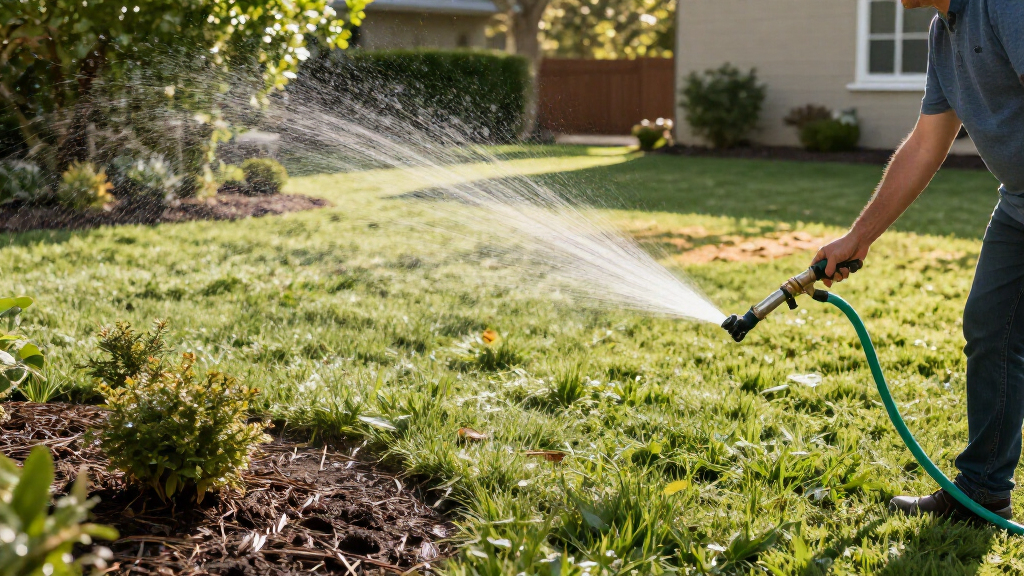
The report links its advice to dry, compacted soil after summer heat and the possibility of wetter weather. Soil that has become compacted or water-repellent may allow rain to run off rather than soak in, according to Chris McIlroy of The Grass People. That runoff can contribute to water collecting on nearby paths, patios and drains, though the report does not quantify the risk.
McIlroy recommends aerating the lawn to relieve compaction by making small holes that allow air into the soil. The report also suggests overseeding thin or bare areas. McIlroy says grass can absorb rain more effectively than exposed soil, and that thicker lawns with established roots may be more resilient to wet conditions.
The third step is to rake up fallen leaves and other debris, particularly after rain or strong winds. Cheryl Harper, managing director of Greensleeves Lawn Care, says a wet layer can hold moisture against grass, block sunlight and create conditions that favor moss and fungal disease. The article suggests raking every few days when leaves are accumulating.
How Lawn Care May Limit Wet-Weather Stress
These tasks address different problems that can leave a lawn vulnerable during sustained wet weather: compaction can impede water movement, bare areas expose soil to pooling, and wet leaves can shade grass and keep it damp. Acting before a rainy spell may help gardeners reduce those pressures, although the source offers practical guidance rather than evidence that these steps will prevent flooding or lawn damage.
The recommendations also have a timing consideration. The report says there may be limited time left to sow seed for the year. Gardeners should account for local conditions and the instructions on the seed product; the source does not give a universal cutoff date or guarantee germination in all weather.
Products Worth Considering
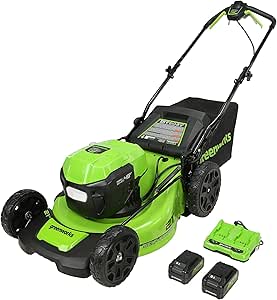
Greenworks 48V (24V x 2) 21-inch Self-Propelled Lawn Mower, Battery Kit

Greenworks 40V Cordless Leaf Blower/Vacuum with 5.0 Ah Battery and Charger

EGO POWER+ Cordless Electric Leaf Blower, 530 CFM, with 2.5Ah Battery (LB5302)
As an affiliate, we earn on qualifying purchases.
The Report’s El Niño Lawn Advice
El Niño is a climate pattern associated with warming sea-surface temperatures in the tropical Pacific. The source describes it as a pattern that can affect weather, including the possibility of heat and colder UK winters. It characterizes the current event as particularly strong, but does not cite a forecasting agency or provide supporting measurements in the supplied material.
The article’s lawn advice is framed around a possible combination of summer dryness and later heavy rain. Its central point is that lawns stressed by dry, compacted soil may need attention before wetter conditions arrive. The report does not say that El Niño alone will determine UK weather; local forecasts remain relevant to decisions about lawn work.
“Aerating the lawn relieves some of this compaction. It involves creating small holes in the soil to allow air circulation.”
— Chris McIlroy, The Grass People
Local Rainfall and Lawn Risks
The supplied report does not name a forecasting authority, give rainfall totals or specify which UK regions face the greatest risk. Its description of El Niño as particularly strong is not supported with forecast data in the source material, and the timing and intensity of any local storms remain uncertain from this report alone.
It is also unclear how much aeration or overseeding would help a particular lawn. Soil type, drainage, grass condition and local weather all matter, and the article does not provide measured results or compare the advice with untreated lawns. The steps should be understood as lawn-care recommendations, not a guarantee against waterlogging.
Check Forecasts Before Lawn Work
Gardeners can inspect their lawns for compacted ground, thin patches and leaf buildup, then use local weather conditions to guide the timing of work. Anyone sowing seed should follow the product’s instructions and allow for the conditions needed for germination. After heavy rain or strong winds, the report’s advice is to clear accumulated leaves regularly.
The next useful update would be a region-specific weather forecast showing expected rainfall and timing. The source does not identify a follow-up forecast or a date when the risks will be clearer.
Key Questions
What are the three lawn-care steps recommended?
Aerate compacted soil, overseed bare or thin patches, and rake away fallen leaves and debris. The recommendations come from an Ideal Home report featuring lawn-care specialists.
Why aerate a lawn before wet weather?
Chris McIlroy of The Grass People says aeration creates small holes in compacted soil, allowing air circulation and helping relieve compaction. The report does not claim this will prevent flooding.
How often should fallen leaves be removed?
Greensleeves Lawn Care managing director Cheryl Harper recommends a quick rake every few days when leaves are accumulating, particularly after heavy rain or strong winds.
Will these steps protect every lawn from waterlogging?
No guarantee is given. The source presents the steps as ways to help a lawn cope with wet conditions, but local rainfall, drainage, soil and lawn health can affect the outcome.
Source: idealhome.co.uk