TL;DR

Get garden gear delivered free with Prime
- Fast, free delivery on millions of items
- Prime Video, Amazon Music and more included
- Member-only deals all year
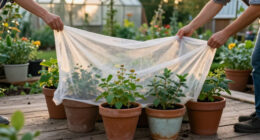
Gardening Know How’s winterizing guide explains how zip-up horticultural fleece can shield plants from frost, wind, snow and sleet. It says the cover’s weight rating determines both the approximate temperature protection and how much sunlight passes through; gardeners should match it to the plant and open covers for ventilation when needed.
Gardening Know How has published a guide to using zip-up horticultural fleece jackets to protect garden plants from winter conditions, with advice to choose a cover by its weight rating and the plant’s need for light. The guidance matters to gardeners preparing tender or early-blooming plants for frost, but the stated temperature benefits are approximate and depend on the cover and conditions.
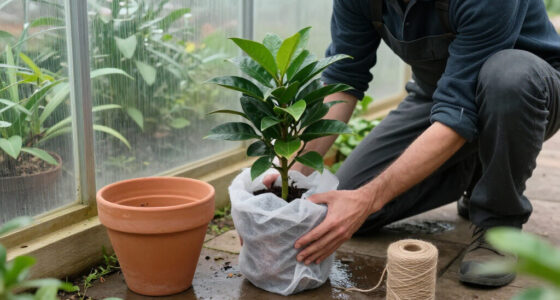
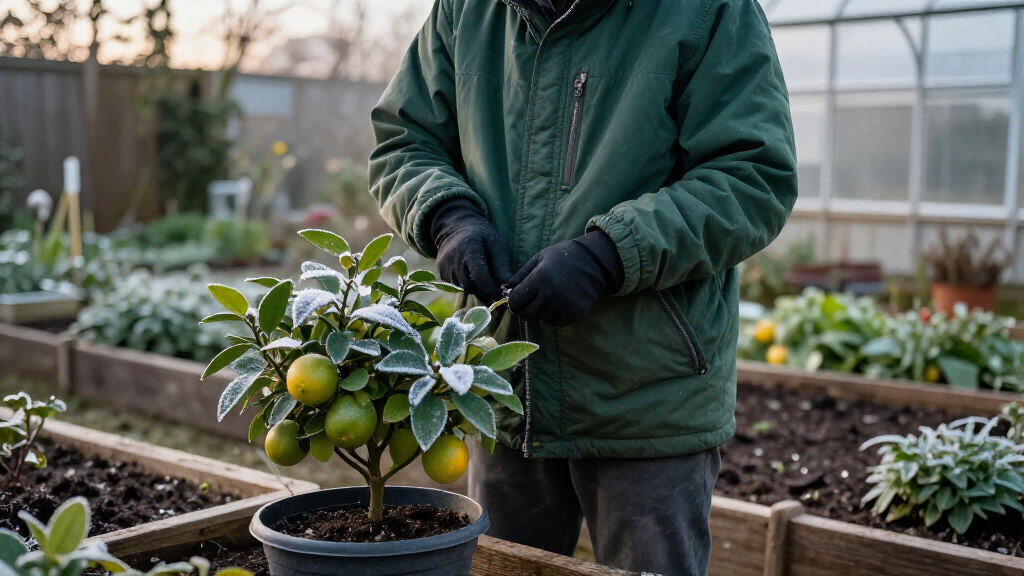
The report describes frost jackets as covers made from horticultural fleece, a non-woven material typically made from polypropylene. Many designs have a zipper and a drawstring at the base. The zipper allows gardeners to open the cover for airflow on milder days, while the drawstring helps secure it around the plant.
According to the guide, fleece is rated by its weight, usually in grams per square meter (gsm) or ounces per square yard. A heavier rating generally provides more insulation, but blocks more sunlight. The article gives medium-weight fleece, at 30–35gsm, as offering about 4°F of protection and letting through roughly 65% of sunlight. Heavy fleece, at 50–60gsm, is listed at about 7°F of protection and 50% light transmission. Ultra-heavy fleece, at 70–100gsm, is listed at about 8–10°F and 20–30% sunlight.
The guide also distinguishes very light fleece, around 17gsm, intended for short-term frost protection of late-season vegetables rather than as a permanent winter cover. It says this material offers about 2°F of protection while allowing roughly 85% of sunlight through. These figures are presented as product-rating guidance, not as a guarantee that plants will withstand any particular weather event.
Choosing Covers Without Blocking Needed Light
The practical trade-off is between cold protection and light exposure. A thick cover may suit a dormant deciduous shrub or a plant already wrapped with insulating straw, but keeping that same heavy material over an evergreen can limit sunlight. Gardeners need to consider both the plant’s cold tolerance and whether it remains active through winter.
The report names banana plants, tree ferns, olive and citrus trees, palms, camellias and magnolias as examples that may benefit in particular conditions. A jacket can also reduce exposure to snow, sleet and strong winds, while young fruit trees may benefit from a covering intended to help prevent thin bark splitting in freezing conditions. The guide does not present jackets as a substitute for other protection where cold is severe.
Products Worth Considering

Solo Stove Bonfire 2.0 Smokeless Wood-Burning Fire Pit with Stand, Silver

EGO POWER+ HT2600 26-Inch Cordless Hedge Trimmer (Battery and Charger Not Included)

Greenworks 60V Cordless Leaf Blower with 2.5 Ah Battery and Charger
As an affiliate, we earn on qualifying purchases.
Fleece Ratings and Plant Needs
The article recommends heavier fleece for plants that do not need winter sunlight, including dormant banana plants and tree ferns in colder areas. It says fleece can hold insulating straw in place around these plants, but that a cover alone may not be enough in deep cold. Deciduous shrubs can also be covered with heavier material after they lose their leaves; the report says this can help protect brittle branches from snow loading.
For evergreen plants, the guide favors medium-weight fleece where a cover will remain in place, because evergreens need light and fresh air. For tender evergreens such as olive and citrus trees, or certain palms, it suggests heavier fleece in colder climates either as an additional layer during severe weather or as a cover that is opened regularly. Early-flowering camellias and magnolias may need temporary overnight protection when frost threatens their buds.
“The higher the number, the more insulation it will provide but also the more sunshine it’ll block.”
— Gardening Know How
Limits of the Listed Protection
The supplied report does not give a publication date, identify specific products tested, or explain the conditions used to calculate the stated temperature-protection figures. It is therefore unclear how those approximate ratings perform across different garden locations, exposure levels or periods of frost. The guide also does not provide a single cover recommendation for every plant variety or climate.
Fleece weight alone cannot establish whether a plant will survive a cold spell. The report says gardeners should consider local conditions and sunlight needs, but it does not specify how long each cover can safely remain closed or provide detailed instructions for securing every design.
Check Ratings Before Covering Plants
Gardeners preparing for cold weather can check the gsm or ounces-per-square-yard rating on a product label or online listing, then compare the stated insulation with the plant’s light requirements. Covers with zippers should be opened on milder days for air circulation, particularly when heavier fleece is being used on an evergreen.
When frost is forecast, the guide suggests temporary protection for vulnerable flower buds and an extra layer for tender plants in severe weather. The source offers general seasonal advice, not a forecast or a report of a specific frost event, so local weather and plant-specific needs will determine when a cover is useful.
Key Questions
What does the weight rating on a frost jacket mean?
The gsm or ounces-per-square-yard rating measures fleece weight. Gardening Know How says higher ratings generally provide more insulation but allow less sunlight through.
Which fleece weight is suggested for evergreen plants?
The report suggests medium-weight fleece for general winter protection of evergreens because they need sunlight. Tender evergreens in colder climates may need heavier fleece during severe weather, with the cover opened regularly if it stays on.
Can a frost jacket protect a banana plant by itself?
Not necessarily. The guide says fleece alone may not protect banana plants from deep cold in colder zones and describes using it to hold insulating straw around the plant.
Should a frost jacket stay zipped all winter?
The guide advises opening zip-up covers on milder days to let air circulate. It also cautions that heavy fleece blocks more sunlight, which matters for evergreen plants.
Source: gardeningknowhow.com