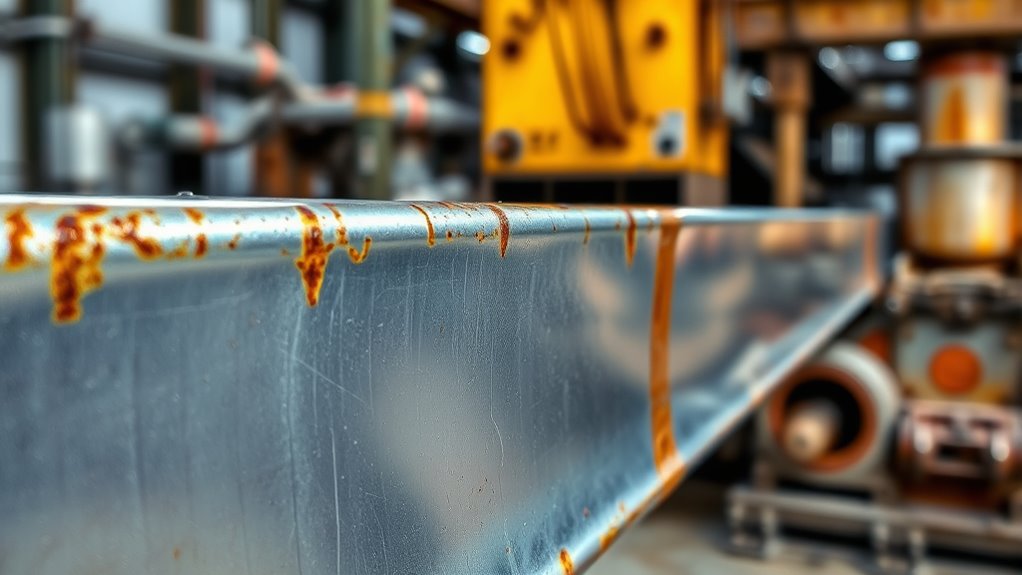

To prevent rust and corrosion on metal surfaces, you should apply protective coatings like paint or rust-inhibiting finishes, and consider galvanization for outdoor or harsh environments. Proper surface preparation—cleaning and removing rust—ensures these protections work effectively. Regular inspections and prompt reapplication extend the lifespan of your metal assets. Combining coatings with galvanization offers layered defense, especially in demanding conditions. Keep exploring to discover more methods to safeguard your metal surfaces effectively.

Get garden gear delivered free with Prime
- Fast, free delivery on millions of items
- Prime Video, Amazon Music and more included
- Member-only deals all year
Key Takeaways
- Apply galvanization or zinc coatings to create a sacrificial barrier against moisture and oxygen.
- Use protective paints, epoxy finishes, or rust-inhibiting coatings to block corrosive elements.
- Prepare surfaces thoroughly by cleaning and removing existing rust for optimal coating adhesion.
- Consider environmental conditions; harsh settings may require layered protection strategies.
- Conduct regular inspections and maintenance to reapply coatings and prevent rust progression.
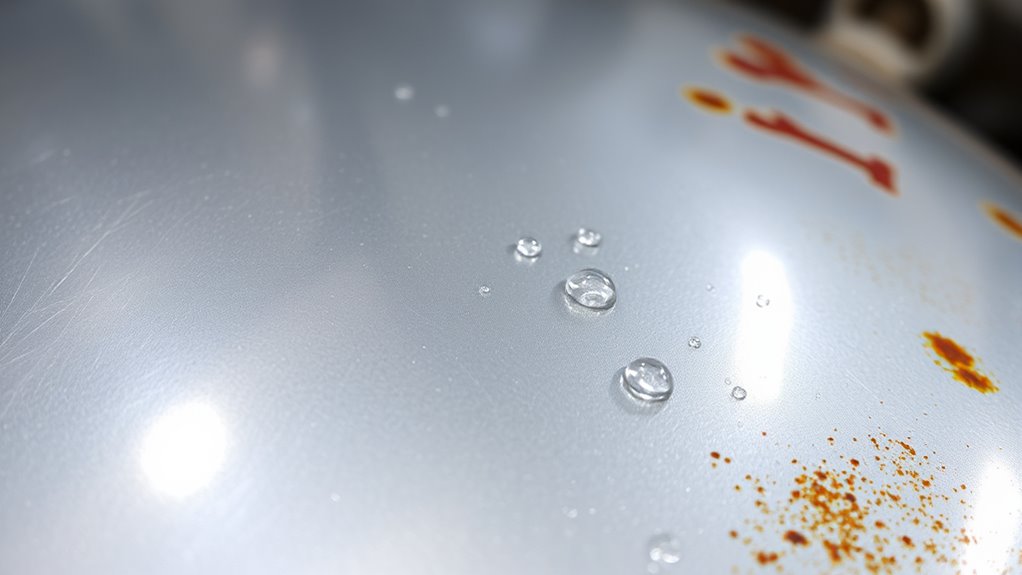
Rust and corrosion can quickly damage metal surfaces if left unchecked, leading to costly repairs and safety hazards. To protect your metal assets, understanding effective prevention methods is vital. One of the most reliable approaches involves applying galvanization techniques, which coat the metal with a layer of zinc. This process creates a sacrificial barrier that protects the underlying metal from moisture and oxygen, which are primary contributors to rust. Galvanization is especially popular because it offers long-lasting protection with minimal maintenance, making it ideal for outdoor structures, automotive parts, and industrial equipment.
Applying galvanization creates a durable zinc barrier that shields metal from rust and corrosion.
In addition to galvanization, using protective coatings can markedly extend the lifespan of your metal surfaces. These coatings act as a barrier, preventing water, salts, and other corrosive elements from reaching the metal. You can choose from a variety of options, including paint-based coatings, epoxy finishes, or specialized rust-inhibiting paints. Applying these coatings correctly guarantees they form an effective seal, reducing the risk of moisture penetration. Regular inspection and reapplication, when needed, help maintain their protective qualities over time.
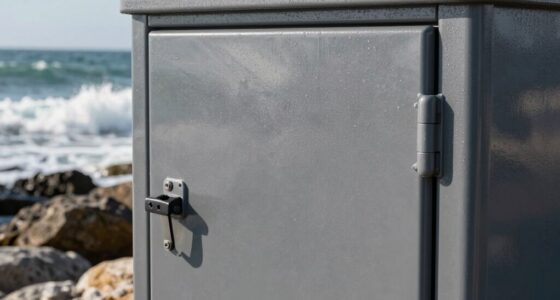
It’s also important to consider environmental conditions when selecting a corrosion prevention strategy. For instance, metals exposed to salty environments, such as marine settings, require more robust protection. In such cases, galvanization combined with protective coatings provides a layered defense, greatly reducing rust formation. For indoor or less harsh environments, a high-quality protective coating may suffice on its own. The key is to assess the exposure risks and choose the appropriate combination of galvanization techniques and coatings.
Preparation before applying any protective layer is vital. Clean the surface thoroughly to remove dirt, grease, or existing rust. Proper surface preparation ensures that coatings adhere well and provide maximum protection. If rust has already started to form, remove it using wire brushes or chemical rust removers before applying any new protective measures. Skipping this step can compromise the effectiveness of your coatings and lead to premature failure.
Ultimately, preventing rust and corrosion involves a proactive approach. Using galvanization techniques and protective coatings in tandem, tailored to your specific environment, can save you money and prevent hazards down the line. Regular maintenance, inspections, and prompt reapplications keep your metal surfaces in top condition, safeguarding your investment and ensuring safety for years to come. Incorporating preventive maintenance into your routine helps extend the life of your metal assets and reduces long-term costs.
zinc galvanization coating for metal
As an affiliate, we earn on qualifying purchases.
As an affiliate, we earn on qualifying purchases.
Frequently Asked Questions
Can Natural Oils Prevent Rust on Metal Surfaces?
Yes, natural oils can help prevent rust on metal surfaces. You should apply natural oils like mineral or vegetable oil to create a protective barrier that repels moisture and slows oxidation. Regularly reapplying these oils guarantees continuous rust prevention, especially for tools or outdoor equipment. Keep in mind, natural oils are a simple, eco-friendly solution that can extend the lifespan of your metal items by reducing rust formation.
How Does Climate Affect Corrosion Prevention Strategies?
Climate variability substantially influences your corrosion prevention strategies by affecting corrosion rates. In humid, salty, or rainy environments, rust develops faster, so you should choose more robust protective coatings and frequent maintenance. Conversely, in dry, stable climates, simpler measures may suffice. Understanding how climate impacts corrosion helps you tailor your approach, ensuring your metal surfaces stay protected longer and reducing overall maintenance costs.
Are There Eco-Friendly Rust Inhibitors Available?
Yes, eco-friendly rust inhibitors are available. You can choose environmentally safe, biodegradable options that effectively prevent rust without harming the environment. These inhibitors often use natural or plant-based ingredients, making them safer for ecosystems and human health. By opting for such products, you guarantee your metal surfaces stay protected while reducing your environmental impact. Look for labels indicating biodegradable and eco-friendly formulations to find the best rust inhibitors for your needs.
How Often Should Protective Coatings Be Reapplied?
Think of protective coatings as armor that needs regular reinforcement. You should reapply them based on your maintenance scheduling, typically every 2 to 5 years, depending on exposure and coating quality. Keep in mind, the longevity of your coating influences how often you’ll need to recoat. Regular inspections ensure you catch wear early, helping your metal surfaces stay protected and extending the life of your corrosion prevention efforts.
What Are the Long-Term Effects of DIY Rust Prevention Methods?
You might see that DIY rust prevention methods can offer temporary protection, but they often don’t stop rust formation long-term. Over time, surface treatments like paint or sealants can wear off or chip, exposing metal to moisture and oxygen. This can lead to accelerated corrosion, weakening the structure. Relying solely on DIY solutions may result in recurring rust issues, making professional treatments or advanced coatings a better long-term investment.
rust inhibiting paint for metal surfaces
As an affiliate, we earn on qualifying purchases.
As an affiliate, we earn on qualifying purchases.
Conclusion
By following proper rust and corrosion prevention techniques, you’ll protect your metal surfaces and extend their lifespan. It’s funny how a simple coat of paint or regular maintenance can make such a difference, isn’t it? Sometimes, a small effort now can save you from costly repairs later. So, stay vigilant, keep surfaces clean, and don’t forget to inspect regularly—you might just catch corrosion before it’s too late. Your metal belongings will thank you for it!
epoxy protective coating for metal
As an affiliate, we earn on qualifying purchases.
As an affiliate, we earn on qualifying purchases.
As an affiliate, we earn on qualifying purchases.
Fall yard work Picks
leaf blowers
As an affiliate, we earn on qualifying purchases.