
TL;DR

Get garden gear delivered free with Prime
- Fast, free delivery on millions of items
- Prime Video, Amazon Music and more included
- Member-only deals all year
A Homes & Gardens gardening report advises protecting five frost-sensitive plants before freezing weather: tree ferns, tropical hibiscus, citrus, bananas and tender palms. Its recommendations include insulating vulnerable crowns and roots with suitable materials, but the right method depends on plant type, local climate and expected temperatures.
Homes & Gardens has published seasonal advice on protecting tree ferns, tropical hibiscus, citrus trees, banana plants and tender palms from frost, recommending plant-specific wrapping and insulation before freezing conditions arrive. The guidance matters to gardeners who cannot move vulnerable plants indoors, but it does not offer one method or temperature threshold that applies to every plant and location.
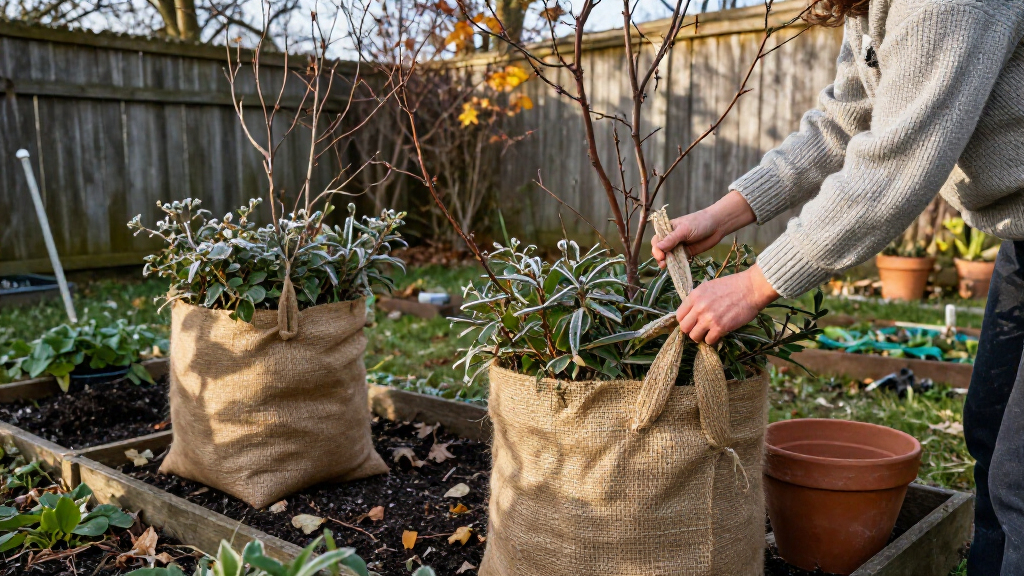
The report recommends using heavyweight horticultural fleece, also called frost cloth or row cover, or burlap to insulate plants. It identifies the growing crown as especially vulnerable for tree ferns and palms. For tree ferns, it advises tying fronds together, packing the crown with straw or hessian, then wrapping the trunk and securing the material with string.
For tropical hibiscus, the report says growing plants in pots and moving them indoors is the simplest option where possible. For plants staying outside, it recommends mulching around the roots, pruning by up to a third, and draping thick frost cloth over a frame made from bamboo poles. The cover can be secured at ground level to reduce exposure to cold drafts.
Citrus trees vary in hardiness, according to the report. It says citrus can suffer damage after brief exposure to temperatures around 25–28°F, with young trees particularly in need of protection. Options include moving potted trees indoors or covering outdoor trees with frost cloth, burlap or a tree cover.
For bananas, the suggested approach ranges from frost cloth and burlap in milder climates to a chicken-wire enclosure packed with straw, leaves or fleece in colder areas. The report also recommends mulching around the roots. For tender palms, it advises bundling fronds, insulating the crown, and wrapping the tied fronds and trunk. It warns against using plastic, saying trapped moisture can lead to mold.
Protecting Plants Before the First Frost
Frost damage can affect more than foliage: the report singles out the crowns of tree ferns and palms as vulnerable growing points, while citrus can show wilting leaves or blackened tips after cold exposure. Taking steps before a frost gives gardeners a chance to protect plants that may be difficult to replace or too large to bring indoors.
The advice also distinguishes between plants and climates rather than treating winter protection as a single task. A covering suited to a light frost may not provide enough insulation during a colder spell. Gardeners need to match their approach to the plant’s hardiness, age and local winter conditions, and the report’s examples should not be read as a guarantee that a wrapped plant will survive every freeze.
Products Worth Considering

EGO POWER+ 21-Inch Cordless Self-Propelled Lawn Mower Kit, LM2135SP

Husqvarna Automower 550 Commercial Robotic Lawn Mower

EGO Power+ SNT2425 24-Inch Two-Stage Snow Blower with Two 7.5Ah Batteries and Dual-Port Charger
As an affiliate, we earn on qualifying purchases.
Why These Five Plants Need Cover
The report focuses on tender, tropical and subtropical plants that may be grown outdoors in gardens where winter temperatures can fall below their tolerance. It describes wrapping as an alternative for gardeners who lack space to lift plants and overwinter them in a greenhouse or another frost-free place.
Hardiness varies within the groups. The report says tree ferns are suited to U.S. hardiness zones 9 and 10, with protection needed in zone 8; tropical hibiscus is listed for zones 9–11. It notes that some hardy palms can overwinter outdoors farther north, and that even cold-hardy banana varieties may need wrapping in zones 5–8. These zone references are broad guidance, not a substitute for checking the needs of a particular variety and site.
For citrus, the report says hardier types may grow outdoors year-round in zone 8, while more tender varieties need protection, and citrus generally needs extra winter care in zones 7 and below. It also emphasizes that newly planted citrus trees are less hardy than established ones.
Local Frost Risks Still Vary
The report does not specify a single wrapping schedule, minimum safe temperature or guaranteed level of protection for all five plant groups. Its advice is general, and the outcome will depend on the exact species or cultivar, the duration and severity of cold, exposure to wind and moisture, and how securely the covering is installed.
It also does not establish that the same materials are suitable for every garden or provide product testing beyond mentioning a heavyweight row cover advertised as protecting down to 20°F. That figure is a product claim cited in the report, not a general temperature rating for all frost cloth or a survival guarantee for plants. Gardeners should check local forecasts and product instructions before relying on a cover.
Check Forecasts and Plant Needs
Gardeners can use the guidance as a prompt to identify vulnerable plants and prepare protection before frost arrives. The next steps are to check each plant’s requirements, local conditions and expected temperatures, then decide whether to move a container indoors or insulate an outdoor plant. Covers should be secured against wind, while the report advises against plastic because it can trap moisture.
As winter progresses, gardeners will need to respond to changing forecasts and inspect their coverings and plants. The report does not give a fixed inspection schedule or instructions for when to remove protection; those decisions depend on local weather and the plant. Further details about damage thresholds and outcomes for specific varieties are not provided.
Key Questions
Which plants does the report recommend wrapping?
It covers tree ferns, tropical hibiscus, citrus trees, bananas and tender palms. Their protection needs differ by species, age and climate.
Can frost-sensitive plants be moved indoors instead?
Yes. The report recommends moving potted tropical hibiscus and citrus indoors before frost where practical, and says tree ferns can be overwintered in a greenhouse or frost-free location if there is space.
What materials can be used to wrap plants?
The report names heavyweight horticultural fleece or frost cloth and burlap. It also describes straw, leaves or fleece packed inside a chicken-wire enclosure for bananas in colder areas. It advises against plastic around palms because it can trap moisture and cause mold.
Does wrapping guarantee a plant will survive winter?
No guarantee is given. Protection depends on the plant, its condition, the length and severity of the cold, local exposure and the covering used. The report’s advice is general rather than a survival promise.
When should gardeners put the coverings in place?
The report says to prepare plants before the first frosts, but it does not set a date that works everywhere. Gardeners should use local forecasts and the requirements of their specific plant to guide timing.
Source: homesandgardens.com