TL;DR

Get garden gear delivered free with Prime
- Fast, free delivery on millions of items
- Prime Video, Amazon Music and more included
- Member-only deals all year
Amateur Gardening’s Kim Stoddart outlines seven low-cost approaches to protecting and nourishing garden soil, from minimizing digging and keeping roots in the ground to using compost, leaves, grass clippings and other available materials as mulch. The advice is a practical gardening report, not evidence that these methods guarantee better harvests or health outcomes.
Amateur Gardening has published seven no-cost ways to help protect and nourish garden soil, with editor and resilient-gardening expert Kim Stoddart recommending minimal digging, ground cover and homemade mulches. The guidance focuses on autumn preparation and the role healthy soil structure can play in helping gardens cope with heavy rain and other weather extremes.
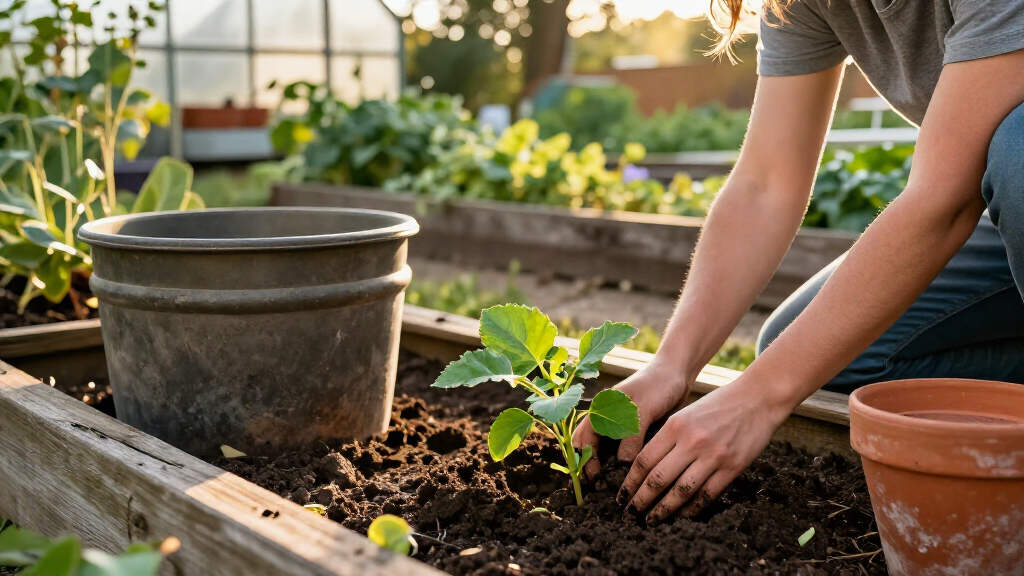
Stoddart’s first recommendations are to disturb soil as little as possible and keep living roots in the ground where practical. The report says no-dig methods can help preserve soil structure, while stems and roots left after harvesting may help bind the ground. It also points to peas and beans as legumes that fix nitrogen, and suggests leaving some plants to die back naturally, providing ground cover and habitat for invertebrates.
For empty beds, the guide suggests letting non-invasive weeds grow, adding mulch or sowing green manures. Its examples include field beans and phacelia; the report also mentions poached egg plant. It advises lightly raking the surface before sowing, covering seeds with a thin layer of peat-free multipurpose compost, and watering if needed. Phacelia should be cut back before it sets seed, according to the article.
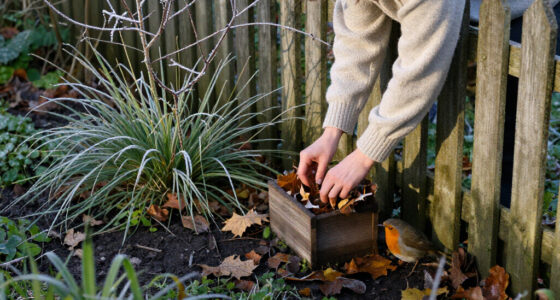
The four main mulch options are homemade compost, leaves or leaf mould, grass clippings, and other locally available materials. The report recommends spreading grass clippings thinly and letting them dry. Leaves can cover beds but may need to be held down in windy weather; cardboard and bricks are offered as one option. Other materials named include cut foliage left in place, cardboard, sheep wool dags and locally foraged seaweed. The guide advises using compost where it is most needed if supplies are limited.
How Ground Cover Supports Soil
The advice matters to gardeners because it presents low-cost ways to reduce exposed soil and reuse materials already available in a garden. Stoddart’s report links intact soil structure and protective mulch with improved capacity to absorb rain and with reduced risk of fertility washing away. These are the article’s gardening rationale, not a quantified guarantee for every plot or soil type.
The methods also offer a way to put garden and household scraps to use rather than treating them as waste. Compost, fallen leaves and plant cuttings can return organic material to beds, while ground cover may provide shelter for soil life. Results will depend on local conditions, materials and how they are applied.
The article also raises the possible connection between growing methods and the nutritional quality of home-grown produce. It says research into nutrient density is ongoing and that organic, no-dig and mulching approaches appear to yield the best results. It does not provide specific studies, measurements or evidence establishing a health benefit, so that point should be read as a possibility rather than a confirmed outcome.
As an affiliate, we earn on qualifying purchases.
Autumn Soil-Care Guidance
The report is framed around autumn garden preparation, when beds may be cleared and fallen leaves, compost and late-season grass clippings are available. Its central idea is to protect soil rather than leave it bare or repeatedly disturb it. Stoddart describes soil as a living ecosystem, while acknowledging that the processes beneath the surface are not fully understood.
The article’s practical suggestions are intended for gardeners using organic and no-dig approaches. Its examples include leaving plant roots in place after harvest, keeping seed heads for birds, and using locally available materials where suitable. It points readers to the Amateur Gardening website for more gardening advice and magazine content.
“The beating heart of an organically-grown garden is its soil.”
— Kim Stoddart, editor and resilient-gardening expert, as identified by Amateur Gardening
As an affiliate, we earn on qualifying purchases.
Limits of the Garden Advice
The supplied report does not give a publication date, experimental data or quantified comparisons for the seven methods. It does not specify how much mulch to use for each material, beyond advising a thin layer of grass clippings, or provide guidance tailored to particular soil types and climates.
Claims about improved rain absorption, reduced nutrient loss and the nutritional value of crops are not accompanied by measurements or cited studies in the supplied text. The report describes some outcomes as likely or potential; it does not establish that every gardener will see the same results. The suitability of materials such as seaweed and wool will also depend on what is locally available and appropriate for a given plot.
As an affiliate, we earn on qualifying purchases.
Putting the Methods Into Practice
The next step for gardeners following the report is to assess which beds are bare and what materials are available. Stoddart’s suggestions include leaving suitable roots and stems in place, sowing a green manure, or covering exposed ground with compost, leaves, grass clippings or other plant matter. Any seed choice and mulch application should suit local growing conditions.
The supplied material does not announce a follow-up study or a formal evaluation of the methods. Readers seeking further detail can consult Amateur Gardening’s site, where the original report appears alongside its other gardening advice.
As an affiliate, we earn on qualifying purchases.
Key Questions
What are the seven free soil-care methods?
The report groups its advice around minimal digging, keeping roots in the ground, sowing green manures and using four mulch categories: homemade compost, leaves or leaf mould, grass clippings, and other available materials such as cardboard or cut foliage.
Which plants does the report suggest for green manure?
It names field beans, phacelia and poached egg plant. The article says phacelia can be cut back before it sets seed and advises covering sown seed with a thin layer of peat-free multipurpose compost.
Can fallen leaves be used directly on garden beds?
Yes. The report says leaves can be used as a mulch to protect the ground, though they may not fully break down by spring. It suggests holding them in place with cardboard and bricks if windy weather is forecast.
Does the article prove these methods improve food nutrition?
No. It says research into nutrient density is ongoing and describes organic, no-dig and mulching methods as appearing to produce the best results. The supplied report does not present specific studies or measurements proving a nutritional or health benefit.
Source: rss
Fall Picks
fall essentials
As an affiliate, we earn on qualifying purchases.