
TL;DR

Get garden gear delivered free with Prime
- Fast, free delivery on millions of items
- Prime Video, Amazon Music and more included
- Member-only deals all year
A Homes & Gardens report recommends saving seeds in October from dry bean pods, fully mature pumpkins or winter squash, and oversized zucchini. Clean and thoroughly dry seeds before cool, dry storage; squash-family seeds may not grow true to type if nearby varieties cross-pollinated.
A Homes & Gardens report says gardeners can save seeds in October from beans, pumpkins or winter squash, and zucchini for possible planting next year. Its instructions stress choosing healthy, mature produce and thoroughly drying and labeling seeds; the report also warns that cross-pollination can make squash-family plants produce fruit unlike the parent crop.
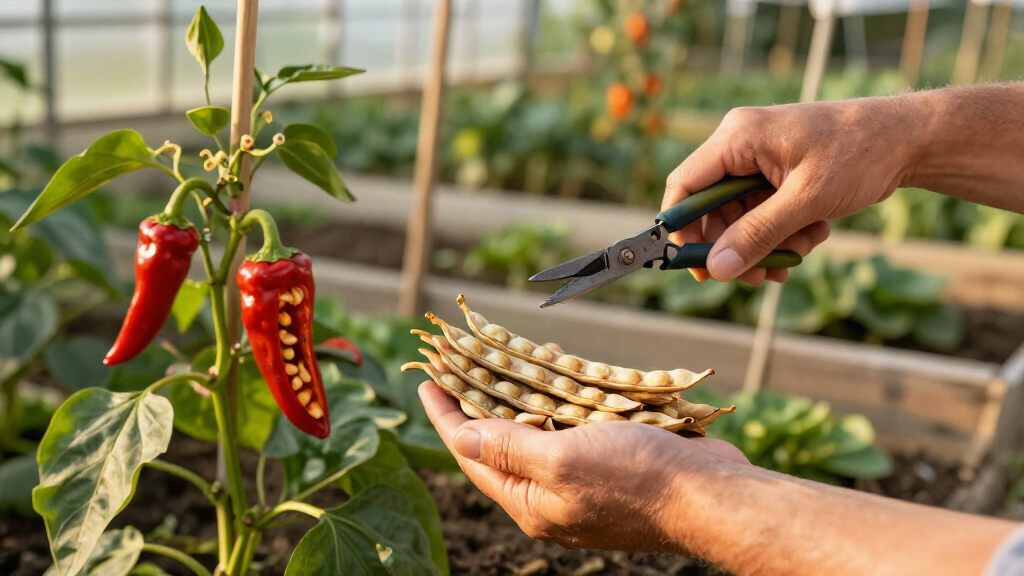
For beans, leave pods on healthy plants until they turn brown and papery and are dry enough to rattle. If rain arrives before they dry, the report advises bringing the pods or cut plants indoors to a warm, airy spot away from direct sun. Shell the brittle pods, then dry the seeds on a tray for another week or two. Keep hard, undamaged seeds and discard soft or blemished ones.
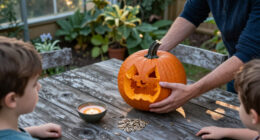
Save seeds from a fully mature pumpkin or winter squash, identified by a hard rind, full variety-specific color and a stem beginning to dry. If a hard freeze is forecast, harvest mature fruit before it arrives, leaving a short stem attached; the report recommends curing it in a warm, dry place for a few weeks. Remove seeds from the pulp, rinse them, and dry them in a single layer, turning them regularly. Large seeds may take a couple of weeks to dry fully.
To save zucchini seeds, leave a healthy fruit on the plant until it grows oversized and its skin hardens and changes color. If frost threatens, cut it and let it mature indoors for a few weeks before opening it. Rinse the seeds and dry them in a single layer. For all three crops, the report says to use clean, completely dry seeds and store them in labeled paper envelopes in a cool, dry place, away from direct sunlight.
Seed Saving for Next Year’s Garden
Saving seeds gives gardeners a way to keep some of the current season’s harvest for next year’s planting, rather than buying all seed anew. The methods also help avoid storing seeds that are damaged or still damp, conditions that can undermine their viability or encourage mold, according to the report.
Results are not equally predictable across these crops. Beans generally self-pollinate and are described as a more reliable starting point, though different varieties can cross when grown near one another. Pumpkins, squash and zucchini can cross with compatible nearby varieties, so saved seed may not produce fruit with the same appearance or characteristics as the parent.
seed saving envelopes for vegetables
As an affiliate, we earn on qualifying purchases.
As an affiliate, we earn on qualifying purchases.
October Harvest and Seed Maturity
The advice is tied to October’s late-season harvest: bean pods can be left to dry on the plant, while mature squash fruits may be ready to harvest or cure before colder weather. Zucchini, usually picked while young and tender, must instead remain on the plant until it becomes oversized and develops a hard skin.
The report presents these as home-gardening instructions, not as a guarantee that every stored seed will germinate or reproduce a particular variety. It recommends labeling each packet with the crop variety and harvest year, so gardeners can identify what they saved when spring sowing begins.
“Beans are the easiest place to start.”
— Homes & Gardens report
As an affiliate, we earn on qualifying purchases.
Will Saved Seeds Grow True?
Whether saved seeds reproduce the parent plant’s traits depends in part on pollination and variety. The report warns that nearby squash-family varieties can cross-pollinate, producing unexpected fruit shape, flavor or other characteristics. It does not provide a universal isolation distance or guarantee that a particular seed will germinate.
October weather also affects the process. Rain may delay drying bean pods outdoors, while a forecast hard freeze can require harvesting mature squash earlier. The report gives practical steps for these situations but does not specify local dates; gardeners must judge conditions in their own growing area.
As an affiliate, we earn on qualifying purchases.
Dry, Label and Store Seeds
After collection, gardeners should remove pulp, spread seeds in a single layer and allow them to dry fully, turning them regularly. The report cautions that seeds can retain moisture inside even when their surfaces feel dry, so rushing the drying stage can risk mold during storage. It advises against direct sunlight and says not to use an oven or dehydrator.
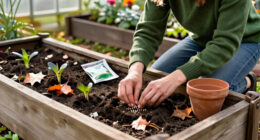
Once dry, place seeds in labeled paper envelopes and keep them in a cool, dry, dark location. The next step is spring sowing, when gardeners can see which seeds germinate and how the resulting plants grow; the report offers no specific germination timetable or promise of identical crops.
As an affiliate, we earn on qualifying purchases.
Key Questions
Which vegetables does the report recommend saving seeds from in October?
It recommends beans, pumpkins or winter squash, and zucchini, provided the plants and fruit are healthy and the seeds are mature.
How do I know bean pods are ready?
Leave them on the plant until they are brown, papery and dry. After shelling, dry the beans further; keep seeds that feel hard and discard soft or damaged ones.
Can seeds from zucchini or pumpkins produce different fruit next year?
Yes. The report says cross-pollination between compatible squash-family varieties can lead to fruit with unexpected characteristics. Saving seed does not guarantee an exact repeat of the parent crop.
How should saved vegetable seeds be stored?
Make sure seeds are clean and completely dry, label them with the variety and harvest year, and store them in paper envelopes in a cool, dry, dark place.
Source: rss
Fall yard work Picks
leaf blowers
As an affiliate, we earn on qualifying purchases.