TL;DR

Get garden gear delivered free with Prime
- Fast, free delivery on millions of items
- Prime Video, Amazon Music and more included
- Member-only deals all year
A Homes & Gardens report advises homeowners to inspect trees before winter weather, when fallen leaves can make structural problems easier to see. Arborists cited in the report recommend looking for dead or hanging branches, cracks, fungal growth and signs of instability, and calling a qualified professional for large or hazardous problems.
Homeowners should inspect trees before winter storms for dead branches, cracks and other signs of weakness, according to advice in a Homes & Gardens report citing arborists. The fall check can help identify limbs that might fail under strong winds, snow or ice, particularly where trees overhang homes, vehicles, streets or walkways.
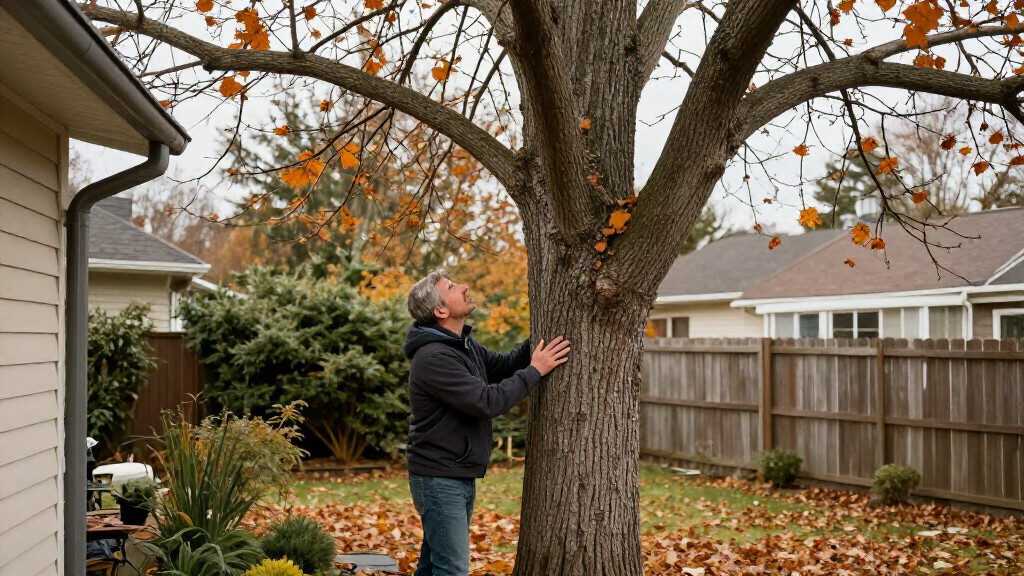
The report says that after deciduous trees lose their leaves, their canopies and branch structure can be easier to examine. It recommends assessing trees from several angles and looking for deadwood, hanging limbs, cracks, fungal growth and weak connections between major trunks or stems. Checks should pay particular attention to branches over places where people or property could be struck if they fall.
Levi Williams, a Tree Risk Assessment Qualified and ISA Certified Arborist with Tree Scouts Tree Service, advises homeowners to make basic inspections before incoming winter storms. He told Homes & Gardens that high winds and freezing temperatures can contribute to destructive tree failures. Snow and ice can add weight to branches, while wind can stress limbs that are already weak.
The report also cites Basil Camu, co-founder of Leaf & Limb, on warning signs at trunk unions and around the base of a tree. Two similarly sized trunks may be prone to splitting, he said; a V-shaped junction can be more concerning than a U-shaped one. Other signs to watch for include a new lean, roots lifting on the opposite side, a trunk crack, or mushrooms near the base. These observations may indicate a problem, but they do not by themselves establish how likely a tree is to fail.
Winter Weather Can Stress Weak Trees
A visual check gives homeowners an opportunity to spot potential hazards before winter conditions make them harder to manage. A falling branch could damage a house, car or nearby walkway, or injure someone. Identifying a concern early may also give a homeowner time to get an arborist’s assessment before a storm, rather than responding after damage has occurred.
The advice is not to remove every branch that looks imperfect. Camu told the publication that homeowners should consider what a branch would hit if it fell. Where people or property could be affected, the appropriate response may be pruning or other structural work, rather than removing the whole tree. Decisions depend on the tree’s condition and the specific risk at the site.
tree inspection tools for homeowners
As an affiliate, we earn on qualifying purchases.
As an affiliate, we earn on qualifying purchases.
Why Fall Is a Useful Inspection Time
The report describes the check as part of fall preparation for winter. Once leaves have dropped from deciduous trees, homeowners may have a clearer view of the canopy and its structure. That visibility can help them notice dead branches or weak-looking connections before winter storms bring wind, snow and freezing temperatures.
Some small pruning jobs may be suitable for homeowners using appropriate tools, but the report recommends professional help for major problems, including a significant lean or large, high limbs. It also notes that pruning timing can vary: safety work may be done in fall, while some other pruning can wait until late winter or early spring. The right timing depends on the issue and the tree.
“I would always advise homeowners to do basic inspections of their trees before incoming winter weather storms.”
— Levi Williams, Tree Risk Assessment Qualified and ISA Certified Arborist with Tree Scouts Tree Service
As an affiliate, we earn on qualifying purchases.
A Visual Check Cannot Diagnose Every Risk
The report does not provide a numerical estimate of how much an inspection reduces the chance of tree failure or property damage. It also does not describe an inspection as a substitute for a professional assessment. Visible warning signs can indicate a concern, but homeowners may not be able to determine from the ground whether a tree, trunk union or limb is structurally unsafe.
The report does not specify a single response for every sign, since the appropriate action depends on the tree, its location and what is within falling distance. It also does not set out a universal pruning schedule. Homeowners facing a large limb, a new lean, substantial cracks or other serious concerns should seek an assessment from a qualified arborist rather than attempting hazardous work themselves.
As an affiliate, we earn on qualifying purchases.
Check Trees Before Storms Arrive
Homeowners can begin with a ground-level visual check, paying particular attention to trees above homes, parked vehicles and pedestrian routes. The report suggests viewing the canopy from multiple angles; binoculars may help with a closer look from the ground. Do not climb a ladder to inspect or prune a tree if doing so creates a fall risk, and leave large, high or difficult limbs to a professional.
If signs of instability or major damage are present, the next step is to contact a qualified arborist for an on-site assessment and advice on appropriate work. The report recommends addressing immediate hazards before winter weather, while some non-urgent pruning may be scheduled for a later season. No specific local storm forecast or follow-up inspection program is included in the source material.
As an affiliate, we earn on qualifying purchases.
Key Questions
When should I inspect trees before winter?
The report recommends checking in fall, before winter storms arrive. For deciduous trees, the period after leaves fall can make branches and the canopy easier to see.
What warning signs should I look for?
Look for dead or hanging branches, cracks, fungal growth, weak trunk unions, a new lean, or roots lifting near the base. These signs warrant attention but do not, on their own, confirm that a tree will fail.
Can I prune a tree myself?
The report says smaller pruning jobs involving dead, damaged or diseased branches may be manageable with suitable tools. It recommends hiring a professional for large or high limbs and major structural concerns. Do not take on work that puts you at risk.
Does every damaged-looking tree need to be removed?
No. The report’s experts say the response should account for what could be hit if a branch or tree fell. Depending on the situation, pruning or structural support may be considered; removal is not presented as the automatic answer.
Source: rss
Halloween Picks
halloween
As an affiliate, we earn on qualifying purchases.