TL;DR
This article identifies five fruit trees—persimmon, cherry, fig, pear, and plum—that are suitable for low-maintenance gardening. They are resilient, require less pruning and watering, and are ideal for beginners.
Five fruit trees that require minimal care and are suitable for novice gardeners have been identified, offering an accessible way to grow fresh fruit at home with less effort.

Get garden gear delivered free with Prime
- Fast, free delivery on millions of items
- Prime Video, Amazon Music and more included
- Member-only deals all year
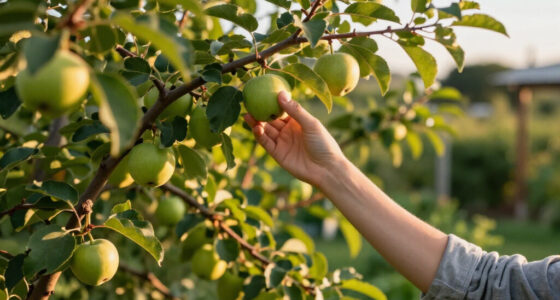
According to experts, persimmon, cherry, fig, pear, and plum trees are among the easiest fruit trees to cultivate for those with limited gardening experience. These varieties are noted for their resilience to pests and diseases, as well as their ability to thrive in a range of climates and soil types.
Persimmon trees, for example, are tolerant of dry conditions and require little maintenance once established, making them ideal for dry climates. Cherry trees, which bloom beautifully in spring, are relatively easy to grow and resistant to many common diseases, though they need full sun and well-draining soil. Figs are drought-tolerant, flourish in warm climates, and can be grown in containers, reducing space concerns. Pear trees are favored for their attractive blossoms and minimal pest issues, although they need occasional pruning and watering. Plum trees, known for their productivity and compact size, thrive in sunny locations with rich, well-draining soil; regular watering and some pruning are recommended for optimal growth.
Experts emphasize choosing varieties suited to local climate zones and soil conditions to maximize success and minimize maintenance efforts.
Why Low-Maintenance Fruit Trees Are a Smart Choice
For beginner gardeners or those with limited time, planting low-maintenance fruit trees offers an accessible way to enjoy homegrown produce without the intensive care required by other varieties. These trees can help promote local food production, reduce reliance on store-bought fruit, and enhance garden biodiversity. Additionally, selecting resilient trees can lead to more sustainable gardening practices, conserving water and reducing chemical use.
Products Worth Considering

EGO Power+ LV5000 3-in-1 Leaf Vacuum, Mulcher, and Blower

EGO POWER+ 16-Inch Cordless Chainsaw with 56V 2.5Ah Battery and Charger (CS1611)

Orbit B-hyve XR 16-Zone Indoor/Outdoor Smart Sprinkler Controller
As an affiliate, we earn on qualifying purchases.
Growing Trends and Expert Recommendations for Easy Fruit Gardening
Growing interest in home food production has led many to seek fruit trees that are easier to care for. Traditionally, fruit trees like apples and peaches can be demanding, often requiring regular pruning, pest management, and watering. In response, horticultural experts, including those cited by Bob Vila, recommend resilient varieties such as persimmon, cherry, fig, pear, and plum, which have proven to be less susceptible to pests and diseases. These choices align with recent gardening trends favoring low-effort, sustainable practices, especially in urban or small-yard settings. The selection of these trees also reflects their adaptability to different climates and soils, making them accessible options for a broad range of gardeners.
“Choosing the right low-maintenance fruit trees can significantly reduce the effort required for successful home gardening.”
— an anonymous researcher
Uncertainties About Long-Term Performance and Local Suitability
While these trees are generally considered low-maintenance, specific performance can vary based on local climate, soil conditions, and gardener practices. Long-term yields and disease resistance may differ in different regions, and some varieties may require more care than initially suggested. Further regional studies are needed to confirm their suitability across diverse environments.
Next Steps for Aspiring Low-Maintenance Fruit Gardeners
Gardeners interested in planting these fruit trees should consult local nurseries or horticultural experts to select varieties best suited to their climate zones. Planning for proper planting conditions, such as soil drainage and sunlight exposure, will improve success rates. Additionally, gardeners can follow recommended care routines, including minimal pruning and watering, to maintain healthy, productive trees. Future research may provide more region-specific guidance and new resilient varieties for low-maintenance fruit gardening.
Key Questions
Are these fruit trees suitable for container gardening?
Yes, fig trees and some dwarf varieties of cherry, pear, and plum are suitable for container planting, making them ideal for small spaces or urban gardens.
How long does it take for these trees to start bearing fruit?
Most of these trees, such as pear and cherry, typically produce fruit within 3-4 years after planting, while some, like persimmon, may take slightly longer depending on the variety.
Do low-maintenance fruit trees require any special care?
While they are less demanding than other varieties, basic care such as proper watering, occasional pruning, and choosing the right location is recommended to ensure healthy growth and good yields.
Can I grow these trees in colder or wetter climates?
Most of these trees are suited for specific hardiness zones; for example, persimmon and fig trees thrive in warmer, dry climates. Gardeners in colder or wetter areas should select varieties suited to their zones or consider container planting for better control.
Are these trees resistant to pests and diseases?
According to experts, these varieties are generally more resistant to common pests and diseases, but some issues may still occur, and routine monitoring is advised.
Source: Bob Vila