
TL;DR

Get garden gear delivered free with Prime
- Fast, free delivery on millions of items
- Prime Video, Amazon Music and more included
- Member-only deals all year
A Homes & Gardens gardening report outlines six October tasks for mint: prune it, clear debris, protect it from severe cold, divide crowded plants, pot a section indoors and dry the final harvest. The advice is seasonal guidance, not a report of a new study; local conditions and whether mint is planted in a pot or in the ground affect what is needed.
Homes & Gardens has published six October care tips for gardeners growing mint, recommending a late-season prune, a clean-up around the plants and cold-weather protection where needed. The report also advises dividing crowded mint, bringing a section indoors for winter growth and drying leaves from the final harvest, offering readers a practical checklist ahead of dormancy.
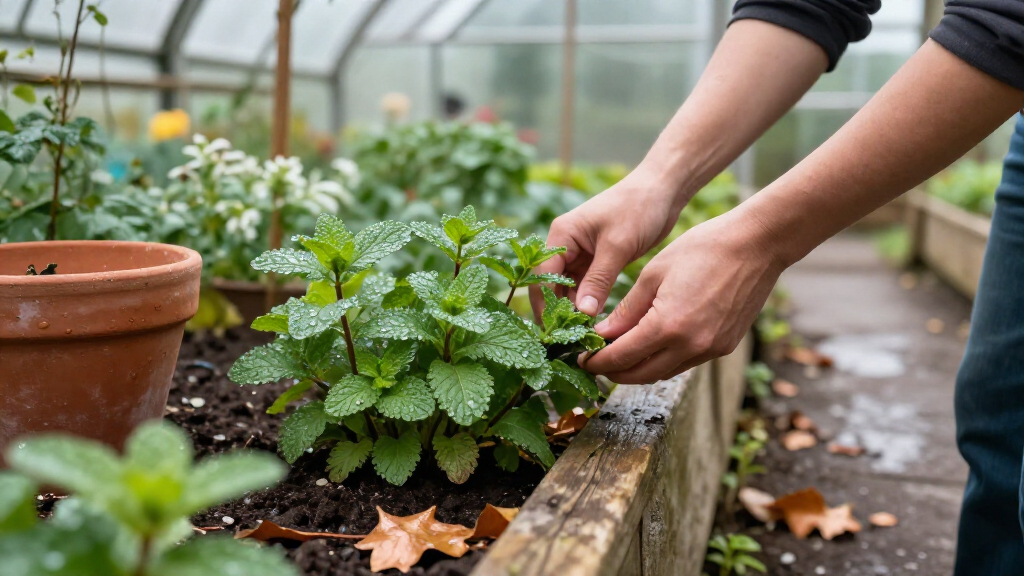
The report recommends cutting outdoor mint stems back to about 2 inches (5 centimeters) above the soil in late fall, using clean, sharp pruners. It says this helps the plant direct its remaining energy toward its roots as it enters dormancy. The removed stems and leaves can be saved for drying rather than discarded.
After pruning, gardeners are advised to remove fallen leaves, weeds and old mulch from around the plant crown. The article says debris can provide a place for pests and fungal spores to overwinter. It describes most mint varieties as hardy to about 5°F (-15°C); where colder temperatures are expected, it recommends adding 2 to 4 inches (5 to 10 centimeters) of fresh mulch. Mint in containers may need extra insulation, such as horticultural fleece, or shelter in a greenhouse or beside a south-facing wall.
For plants that have filled their containers, the report suggests dividing them in October as they go dormant, then replanting the sections in fresh pots. Gardeners can also move a portion indoors, set it in a bright location and keep its compost damp but not waterlogged. For the last harvest, wash and dry the leaves, then spread them in a single layer in a cool place away from direct sunlight. The article estimates 7 to 10 days for air-dried leaves to become crisp enough to crumble.
Preparing Mint for Winter
These steps address two practical concerns for home growers: keeping perennial mint in good condition through winter and making use of leaves that might otherwise be lost after cutting back. Cold protection is not the same for every plant: the report distinguishes hardy mint growing in the ground from container plants, whose roots may be more exposed to freezing temperatures.
Dividing a crowded plant can also create additional mint plants, while bringing a section indoors may provide fresh leaves during colder months. Drying the remaining harvest gives gardeners another way to preserve mint for tea and cooking. The recommendations are presented as gardening advice, not as results from a controlled trial, so success can depend on the variety, growing conditions and local weather.
Products Worth Considering

Rachio 3 Smart Sprinkler In-Ground WiFi Irrigation Controller, 8-Zone

EGO Power+ 16 Cordless Chainsaw (CS1611) with 56V 2.5Ah Battery and Charger

Rachio 3 Smart Sprinkler Controller, 16 Zones
As an affiliate, we earn on qualifying purchases.
Why October Is a Mint Checkpoint
Mint is commonly grown for its leaves and is often described in the report as an easy-care herb. Its growth slows as it enters dormancy, making late fall a point to tidy plants and address overcrowding before winter. The article notes that mint can spread aggressively in garden beds; growing it in a pot, or keeping a nursery pot sunk into the ground, can help contain it.
The report’s six actions are seasonal tasks rather than a rigid schedule for every location. Its temperature guidance offers a reference point, but gardeners should account for local minimum temperatures and whether their mint is in open ground or a container. Indoor mint needs a bright spot and careful watering, while outdoor plants may need mulch or shelter in colder conditions.
Local Conditions Shape Care
The source does not identify a specific climate zone, mint variety or publication date, and it does not give separate instructions for every regional winter. The stated hardiness threshold of 5°F (-15°C) is general guidance; it does not establish that every mint variety or growing setup will withstand the same conditions. The report also does not quantify how much pruning or winter protection improves a plant’s survival or spring growth.
Its drying estimate of 7 to 10 days is likewise an approximate timeframe. Drying conditions vary, and the article’s practical test is whether leaves are crisp and crumble when crushed. Gardeners should monitor their plants and follow locally appropriate advice where winters are colder or wetter than the conditions described.
Tasks Before Winter Dormancy
Gardeners following the report can begin by pruning and clearing debris, then check whether plants need dividing or cold protection. Container-grown mint may need insulation or a more sheltered location; a healthy section can be potted indoors. Stems saved from pruning can be washed, dried and stored once fully crisp.
The next seasonal milestone is the plant’s return to growth in spring. The source expects outdoor mint to emerge after dormancy and says an indoor section may produce new shoots within a few weeks, but it provides no date that applies to all homes or growing conditions.
Key Questions
How far back should mint be pruned in October?
The report recommends cutting stems to about 2 inches (5 centimeters) above the soil with clean, sharp pruners.
Does mint need winter protection?
The article describes most mint varieties as hardy to about 5°F (-15°C). It recommends fresh mulch where colder temperatures are expected and extra protection for pots, such as horticultural fleece or a sheltered location.
Can mint be grown indoors over winter?
Yes. The report suggests potting up a section, placing it in a bright spot and keeping the compost damp but not wet. It says new growth may appear within a few weeks, though timing can vary.
How should October mint leaves be dried?
Wash the leaves, remove excess water and spread them in a single layer in a cool place out of direct sunlight. The report estimates 7 to 10 days; leaves are ready when they are crisp and crumble when crushed.
Source: homesandgardens.com