TL;DR

Get garden gear delivered free with Prime
- Fast, free delivery on millions of items
- Prime Video, Amazon Music and more included
- Member-only deals all year
Gardening Know How recommends saving seven household items to shield plants during light, short-lived frosts: cardboard boxes, cotton bedding, milk jugs, bubble wrap, newspaper, autumn leaves and cardboard tubes. These are temporary protections, not a substitute for frost-rated covers during prolonged freezes; most covers should come off in the morning.
A Gardening Know How report advises gardeners to save seven household discards for temporary protection during light fall frosts, including cardboard boxes, old sheets, milk jugs and newspaper. See also plants most likely to be damaged by an early frost. The advice may help extend the harvest of tender crops through a chilly night, but the report cautions that these materials are not suited to a freeze lasting for days.
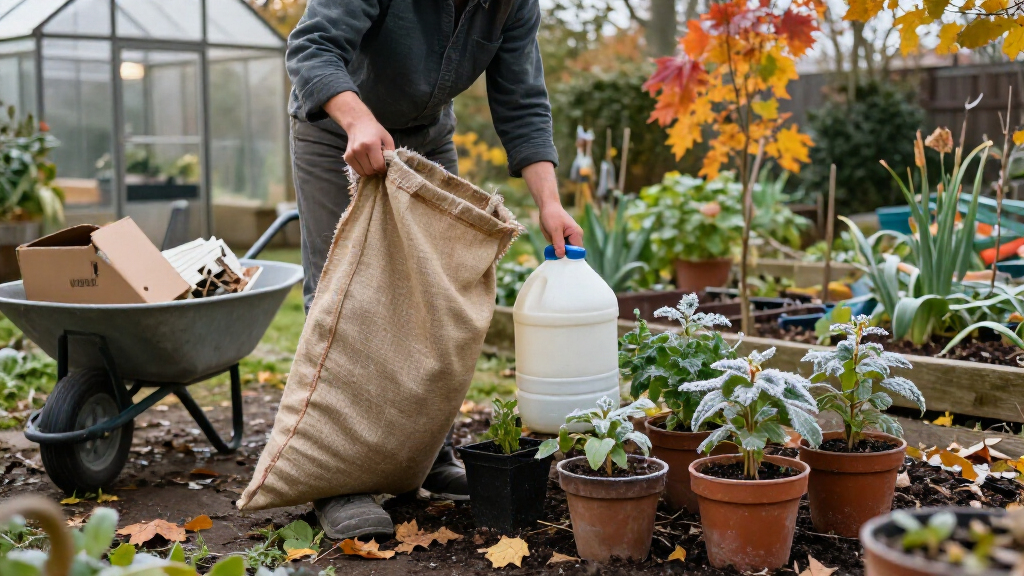
The suggested items work in different ways. Boxes, sheets and newspaper can cover plants and hold some of the warmth released by the soil overnight. A cut-open plastic milk jug can act as a small cover for a seedling, while bubble wrap around a pot can slow heat loss from its roots. Shredded autumn leaves can insulate the crown and roots of a tender perennial after the soil has cooled, much like free materials used as winter mulch.
The seventh item, a toilet-paper tube or part of a paper-towel tube, serves mainly as a collar around a young plant. The report says it can help keep cutworms from chewing stems at soil level and reduce exposure to cold wind, but does little against frost on its own. It recommends pairing a tube with another cover on a cold night.
Most covers need attention at daybreak. Remove cardboard and newspaper, and take off or open other covers as conditions warm, so plants do not overheat or retain excess moisture. For seasonal garden care, see which plants to prune in September. The report warns that plastic should not touch leaves: use it on a frame or over a fabric layer. It also advises securing light coverings against wind and keeping stored materials dry until needed.
A Low-Cost Way to Shield Tender Crops
For gardeners facing an unexpected overnight frost, reused household materials offer a quick alternative to buying supplies. A timely cover may help tender crops such as peppers and lettuce get through a light frost, allowing more time for harvest when mild weather follows. The approach is especially useful when a forecast changes with little notice.
The benefit depends on matching the material and method to the plant and weather. A box can cover a small plant, while a sheet can span part of a bed; a milk jug is better suited to a seedling. These options are short-term measures, not guarantees of protection. A prolonged freeze may require more durable frost protection or other plans for vulnerable plants.
Products Worth Considering

EGO POWER+ HT2600 26-Inch Cordless Hedge Trimmer (Battery and Charger Not Included)

Rachio 3 Smart Sprinkler Controller, 16 Zones

EGO Power+ Cordless Electric Leaf Blower, 880 CFM, with Two 4.0Ah Batteries (LB8803-2)
As an affiliate, we earn on qualifying purchases.
How the Covers Hold Overnight Warmth
According to the report, on a clear, calm night, warmth absorbed by the soil during the day escapes upward. A cover can catch some of that heat, particularly when it is draped loosely with its edges reaching the ground and space left around stems. This is the basis for using fabric, cardboard and paper as temporary covers.
Each material has limits. Cardboard blocks light and can soften in heavy dew. Wet newspaper loses insulating value. Cotton sheets can become heavy with dew, so stakes or cages can keep them from pressing on stems. For pots, bubble wrap goes around the outside rather than over foliage. For leaves, the report advises waiting until the soil has cooled in late fall before spreading them around perennial crowns; shredding them helps keep the layer loose, and a gap around each stem reduces the chance of a wet crown.
Weather and Plant Limits Remain
The source describes these methods as suitable for light frost and short periods of cold, but does not give temperature thresholds for individual plants or say how much protection each item provides. Results will depend on local conditions, the plant’s sensitivity and how securely a cover is fitted. The report says air near the ground can be a few degrees colder than the forecast reading on still nights, but offers no specific measurement for a particular garden.
It is also unclear how long a given covering will remain effective in wet, windy or repeatedly freezing weather. The advice does not establish that household materials can protect plants through a sustained freeze. Gardeners should check local forecasts and plant-specific guidance rather than treating any one cover as a guarantee.
Check Forecasts and Remove Covers
As fall frost advisories approach, the report recommends keeping reusable materials dry and ready. Gardeners can choose a cover suited to each plant, secure it against wind, and leave enough space so it does not press on stems. For plastic, the key precaution is to keep it from direct contact with foliage.
After the cold night, check conditions in the morning and remove covers once temperatures rise above freezing; open milk-jug caps on sunny days to release heat. If forecasts call for a prolonged freeze, the report’s household-item suggestions may not be enough. The source does not specify a single next milestone beyond monitoring the weather and adjusting protection as conditions change.
Key Questions
Which household items can help cover plants during a light frost?
The report lists cardboard boxes, old sheets or pillowcases, plastic milk jugs, bubble wrap, newspaper, autumn leaves and cardboard tubes. They suit different uses: some cover foliage, while bubble wrap protects pot sides and leaves insulate perennial roots.
Can these materials protect plants through a long freeze?
The source says the methods can help during a light frost lasting a night or two, not a freeze that persists for days. It does not provide a temperature cutoff or guarantee of protection.
Should plastic touch plant leaves?
No. The report warns that plastic can transfer cold where it touches leaves. Use it on a frame or over fabric, and open a milk jug on sunny days so heat can escape.
When should frost covers come off?
Remove covers in the morning once the air warms above freezing. Cardboard and newspaper should come off promptly; wet paper loses insulating value, and closed covers can trap heat and moisture.
How should fallen leaves be used around perennials?
Wait until the soil has cooled in late fall, then use a few inches of shredded leaves around the crown and roots. Leave a small gap around the stem so the crown does not stay wet.
Source: gardeningknowhow.com