TL;DR

Get garden gear delivered free with Prime
- Fast, free delivery on millions of items
- Prime Video, Amazon Music and more included
- Member-only deals all year
A Homes & Gardens report outlines seven plants that may benefit from selective November pruning, from removing frost-damaged delphinium stems to clearing diseased bee balm. Timing depends on plant type, local weather and whether foliage is healthy; spring-flowering shrubs and most hydrangeas should generally be left alone.
Homes & Gardens has outlined seven plants that gardeners may prune or tidy in November, including hellebores, delphiniums, bee balm, raspberries, asparagus, roses and angel’s trumpet. The report’s central advice is to prune selectively: remove dead or diseased growth when appropriate, but leave healthy stems that support wildlife or protect plants through winter.
For established hellebores, the report recommends removing old, damaged leaves near the base while taking care not to cut emerging flower buds. In mild areas, new growth may already be appearing; in colder locations, gardeners can wait until old leaves are easy to distinguish. The report also advises wearing gloves because hellebore sap can irritate skin, and wiping pruner blades between plants when spotting is present.
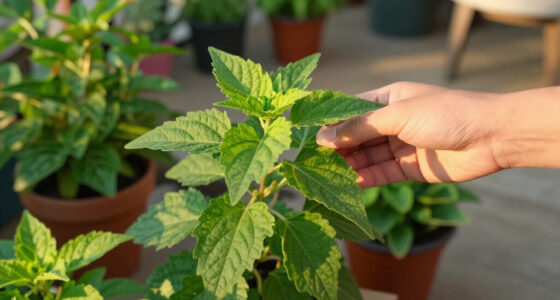
Delphiniums should be cut back after frost has blackened their foliage and flower stalks, rather than while they remain green. Bee balm is a more conditional case: healthy stems can be left standing for insects, while plants with powdery mildew should be cut back after dieback and infected debris removed rather than composted. For raspberries, the correct approach depends on the crop type. Summer-bearing plants can have spent second-year canes removed, while fall-bearing plants may be cut to the ground during dormancy for a single fall crop the following year.
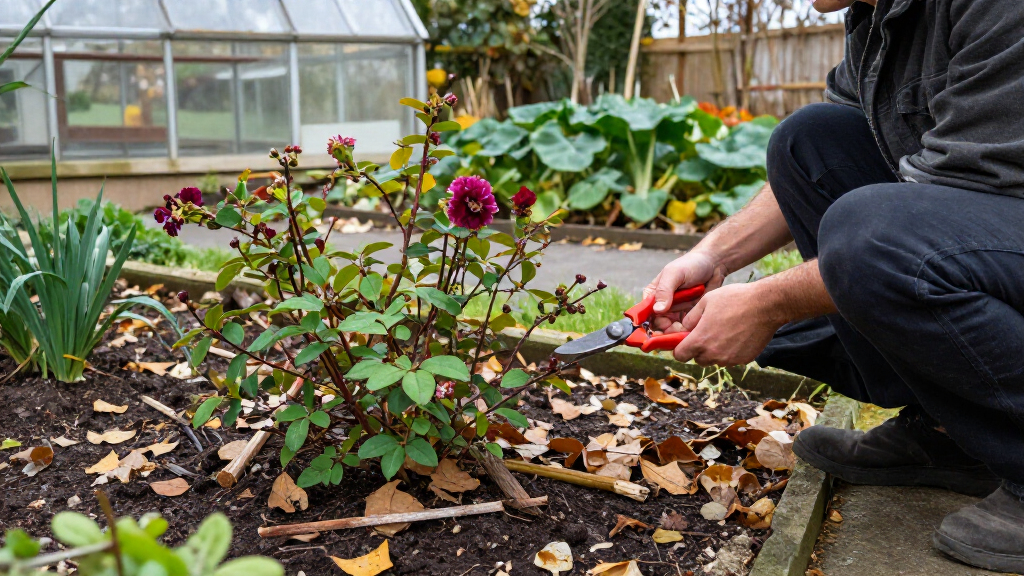
The other plants in the report are asparagus, roses and angel’s trumpet. Asparagus foliage should be allowed to yellow fully before it is cut; where beetles or disease have been a problem, dead tops can be removed from the bed. Roses may need selective removal of damaged or diseased growth, while tender angel’s trumpet can be trimmed before it is brought indoors. The supplied report gives limited detail on rose pruning, so it does not establish a single November method for all rose types.
Pruning Without Removing Winter Shelter
The guide matters because a November tidy-up can affect more than appearance. Removing diseased material can limit the amount of infected debris left near plants, and taking out dead or spent canes can make some beds easier to manage. But indiscriminate cutting may remove seed heads and sturdy stems that provide food or shelter for wildlife, or foliage that has not yet finished supporting the plant.
That trade-off is especially relevant in gardens where frost arrives at different times or plants respond differently by region. The report advises gardeners to use plant condition, not the calendar alone, as a guide. It also cautions against pruning spring-flowering shrubs and most hydrangeas in November, when cutting at the wrong time could affect the next season’s display.
Products Worth Considering

14 Pcs Polycarbonate Greenhouse Panels, 6' x 2' x 0.24'' Twin-Wall Panels, Polycarbonate Sheet for All Weather Outdoor Garden and Greenhouse

Traeger Pro 22 Wood Pellet Grill and Smoker, 572 sq. in.

EGO POWER+ LB7654 Cordless Leaf Blower with 5.0Ah Battery
As an affiliate, we earn on qualifying purchases.
The Right Cut Depends on the Plant
The report is a seasonal gardening guide, not a report of a new horticultural study or a change in official rules. Its recommendations draw distinctions among plants whose growth and flowering cycles differ. Raspberry pruning, for example, depends on whether the canes bear fruit in summer or fall and whether the gardener wants one crop or two.
Local conditions also shape timing. The source says gardeners in colder areas may need to wait until spring to thin live raspberry canes if winter injury is common, while mild autumn weather can leave delphinium foliage green into November. It recommends leaving spring-flowering shrubs and most hydrangeas unpruned at this time; in colder USDA zones, early freezes may make spring pruning safer.
“The best November pruning is selective, removing what could spread disease, snap in winter weather, or obstruct next season.”
— Homes & Gardens report
Local Frost and Plant Condition
The guide does not provide a single date that works for every garden. Frost timing, regional climate and plant condition determine when many of the suggested cuts are appropriate, and the source notes that foliage may remain active later in mild areas. It also does not specify detailed pruning instructions for every rose variety or angel’s trumpet, so readers should not treat the headline’s list as a universal cutting schedule.
The report’s recommendations are general gardening guidance; it does not cite trial data comparing outcomes. Whether a particular plant has disease, whether a raspberry is summer- or fall-bearing, and whether winter wet or cold is a local concern all remain factors gardeners must identify before pruning.
Check Growth Before Cutting
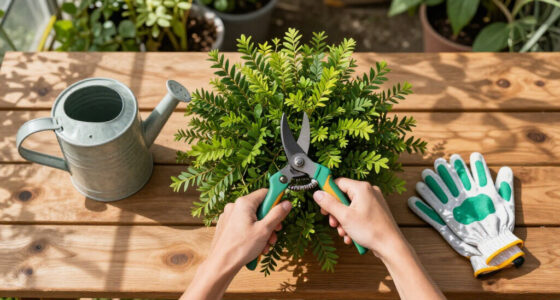
Before pruning, gardeners can identify each plant and check for frost damage, disease and healthy new growth. Use clean, sharp tools, avoid cutting into crowns, and remove visibly diseased debris from the garden rather than adding it to compost. Wear gloves for plants whose sap or stems may irritate or injure skin.
For plants that are still green or whose pruning needs depend on local winter conditions, the report’s advice is to wait rather than cut by date alone. Gardeners should also leave spring-flowering shrubs and most hydrangeas untouched in November, then reassess them at a more suitable time for their type and climate.
Key Questions
Which plants does the November pruning guide cover?
The report lists hellebore, delphinium, bee balm, raspberry, asparagus, rose and angel’s trumpet. The recommendations vary by plant and condition rather than calling for all seven to be cut back in the same way.
Should I cut back delphiniums in November?
According to the report, wait until frost has blackened the leaves and flower stalks, then cut them down to a few inches above the crown. Leave healthy green growth alone.
Can I prune raspberries in November?
That depends on the type. Remove spent second-year canes from summer-bearing raspberries; fall-bearing plants can be cut to the ground during dormancy if the goal is one fall crop next year. In very cold areas, waiting until spring to thin live canes may help reveal winter damage.
Should healthy bee balm be cut back for winter?
Not necessarily. The report says healthy bee balm stems can be left standing to support insects. Cut back plants after dieback when foliage has powdery mildew, and dispose of visibly infected debris rather than composting it.
Which plants should generally be left alone in November?
The report advises leaving spring-flowering shrubs and most hydrangeas unpruned in November. In colder USDA zones, it says spring may be a safer time to prune after the effects of early freezes are clearer.
Source: homesandgardens.com