
TL;DR

Get garden gear delivered free with Prime
- Fast, free delivery on millions of items
- Prime Video, Amazon Music and more included
- Member-only deals all year
A gardening report advises against routine October pruning of hydrangeas, spring-flowering shrubs, lavender, ornamental grasses, some evergreen shrubs and late-flowering perennials. Experts say cutting them now can remove next season’s buds or expose plants to winter damage; exact pruning times depend on the plant and its flowering cycle.
Horticulturalists cited by Ideal Home advise gardeners to leave six plant groups unpruned in October, saying routine cutting can remove next year’s flower buds or reduce plants’ protection through winter. The guidance covers hydrangeas, spring-flowering shrubs, lavender, ornamental grasses, some evergreen shrubs and late-flowering perennials, while allowing targeted removal of dead, diseased or damaged material.
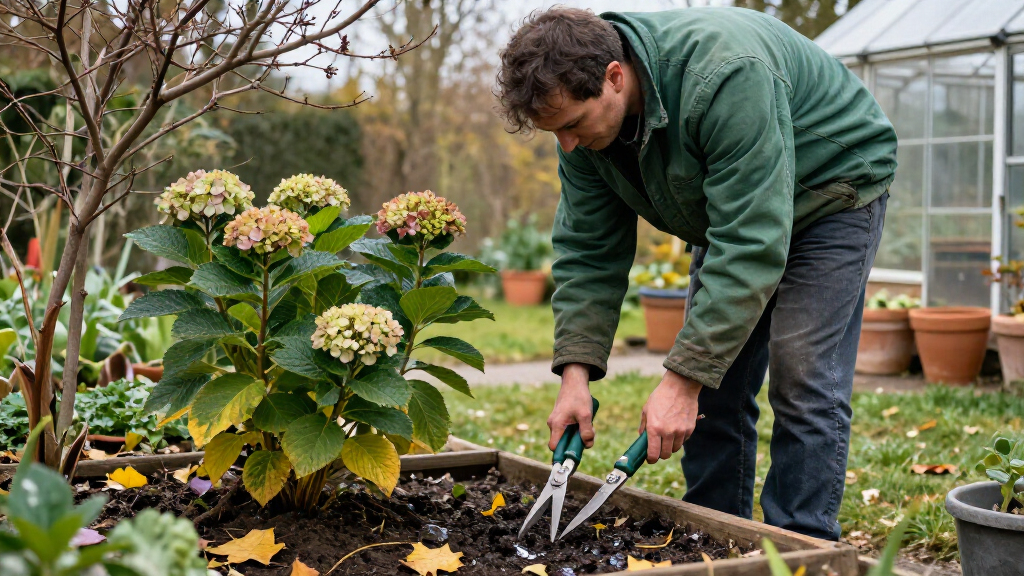
For mophead and lacecap hydrangeas, Fothergill’s senior horticulturalist Pim Dickson says flowers form on existing stems, so an autumn cut may remove buds for the following year. He advises leaving faded flowerheads in place because they can help shield buds from frost, then pruning in mid-spring by removing old blooms and cutting back to the first healthy pair of buds. The source’s hydrangea advice is specific to those varieties, rather than a rule for every hydrangea.
Forsythia, lilac and other spring-flowering shrubs also carry buds on growth from the previous season, Dickson says. He recommends waiting until immediately after flowering, generally in late spring or early summer, before routine pruning. Dead or diseased stems can be cut back when needed. The report suggests checking a questionable stem by scraping its bark: green, moist tissue indicates it is alive, while dry, brown and brittle tissue indicates it may be dead.
Dickson says a hard October cut on lavender can expose older stems that regenerate poorly, while new growth may be hurt by cold. Its main shaping cut is best made after flowering in late summer; in October, remove only broken or diseased material. For deciduous ornamental grasses, leaving dry foliage and seedheads standing provides winter structure and can offer wildlife food or shelter. Cut them back in late winter or early spring, before new shoots emerge, he says.
Charlotte McGrattan, Hillier Nurseries’ hardy nursery stock buyer, names Viburnum tinus, Viburnum ‘Coppertop,’ Choisya ‘Sundance’ and escallonia among evergreen shrubs to leave unpruned in October. She says pruning can remove developing buds and reduce natural protection before winter; shaping is generally better in mid-to-late spring, after frost risk has passed. The report also identifies late-flowering perennials as a group to leave standing, but the supplied source text ends before giving its supporting explanation or specific examples.
Protecting Next Season’s Flowers
The advice matters because an autumn tidy-up can have consequences beyond appearance. Removing stems with formed buds may reduce flowering the next year, while cutting back grasses or perennials can take away material that offers winter structure and wildlife shelter. For some plants, a late cut can also leave growth more exposed to cold.
The report does not call for gardeners to leave every plant untouched. Dickson distinguishes routine pruning from removing diseased foliage, rotting material and damaged branches. That distinction gives gardeners a practical approach: deal with problems as they arise, but delay general shaping until the appropriate season for each plant.
As an affiliate, we earn on qualifying purchases.
Why Pruning Dates Differ
Pruning timing depends on where and when a plant forms flowers. Several spring-flowering shrubs and the cited hydrangeas set buds on older growth, so cutting those stems before flowering can remove the coming season’s display. By contrast, the report says lavender’s main shaping cut is made after flowering in late summer, not as a hard cut in October.
The source presents the guidance as advice from two horticultural professionals in an Ideal Home gardening report. It does not provide a study, a regional schedule or a single rule applicable to all cultivars. Its dates are practical recommendations, and local weather and the plant’s condition can affect garden work.
“A tidy garden does not have to mean a completely bare one.”
— Pim Dickson, senior horticulturalist at Fothergill’s
As an affiliate, we earn on qualifying purchases.
Limits of the October Advice
The supplied report text cuts off during its section on late-flowering perennials, so it does not identify specific plants or explain the full reasoning for leaving them unpruned. The advice also does not set out different dates for every climate or cultivar. Gardeners should not treat the list as a universal prohibition: the source explicitly allows removal of diseased or damaged growth and gives plant-specific pruning windows.
As an affiliate, we earn on qualifying purchases.
When to Make Each Cut
For gardeners following the report, the next step is to defer routine October pruning and revisit each plant at its recommended time: hydrangeas in mid-spring; spring-flowering shrubs after they bloom; lavender after flowering for its main shaping; grasses in late winter or early spring; and the named evergreen shrubs in mid-to-late spring after frost risk has passed. In October, remove only clearly dead, diseased or damaged material where necessary, and check the plant’s specific requirements before cutting.
As an affiliate, we earn on qualifying purchases.
Key Questions
Which plants does the report advise leaving unpruned in October?
It lists mophead and lacecap hydrangeas, spring-flowering shrubs, lavender, deciduous ornamental grasses, certain evergreen shrubs and many late-flowering perennials. The supplied text does not name examples of late-flowering perennials.
Can I remove dead or diseased growth in October?
Yes. The report distinguishes routine pruning from removing dead, diseased or damaged material, which it says can be dealt with in autumn when needed.
When should hydrangeas be pruned?
For the mophead and lacecap varieties discussed, Pim Dickson recommends waiting until mid-spring, removing old blooms and cutting back to the first healthy pair of buds.
When should ornamental grasses be cut back?
Dickson advises leaving deciduous grasses standing through winter, then cutting them back in late winter or early spring, before new shoots emerge.
Does this advice apply to every plant and region?
No. The report gives guidance for named plant groups and examples, not a universal pruning calendar. Variety, local weather and plant condition can affect timing, and the article’s late-perennial section is incomplete in the supplied source.
Source: rss
Fall yard work Picks
leaf blowers
As an affiliate, we earn on qualifying purchases.