TL;DR

Get garden gear delivered free with Prime
- Fast, free delivery on millions of items
- Prime Video, Amazon Music and more included
- Member-only deals all year
A two-year trial involving the University of Wyoming and USDA’s Western SARE program reported weed coverage of 15% in cardboard-mulched beds, versus 45% in traditionally tilled beds, and yield increases of up to 97% for some crops. A Gardening Know How writer also reported a strong personal harvest, but that single-bed experience is not a controlled test and does not establish that cardboard caused the result.
The trial was a collaboration between the University of Wyoming and the U.S. Department of Agriculture’s Western SARE program, which funds Sustainable Agriculture Research and Education projects. Researchers grew a range of crops across different seasons over two years at Sweet Hollow Farm. The site is in USDA Zone 4, where the growing season is short, according to the report.
In the reported comparison, cardboard-mulched beds had 15% weed coverage, while beds managed with traditional tilling had 45%. The report says yields for some vegetable crops rose by as much as 97%, but the source material does not specify which crops achieved that increase or provide crop-by-crop figures. The result should not be read as a guarantee of the same yield gain in other gardens.
The writer said they put old cardboard on a vegetable bed during the summer and assessed it in October. They reported that the bed was 95% free of weeds and produced their best-ever harvest. Those figures describe the writer’s own garden, not a measured outcome from the university and USDA trial. The writer also said a moisture meter and comparison with a nearby unmulched bed suggested the covered soil held moisture more consistently; they described those checks as informal.
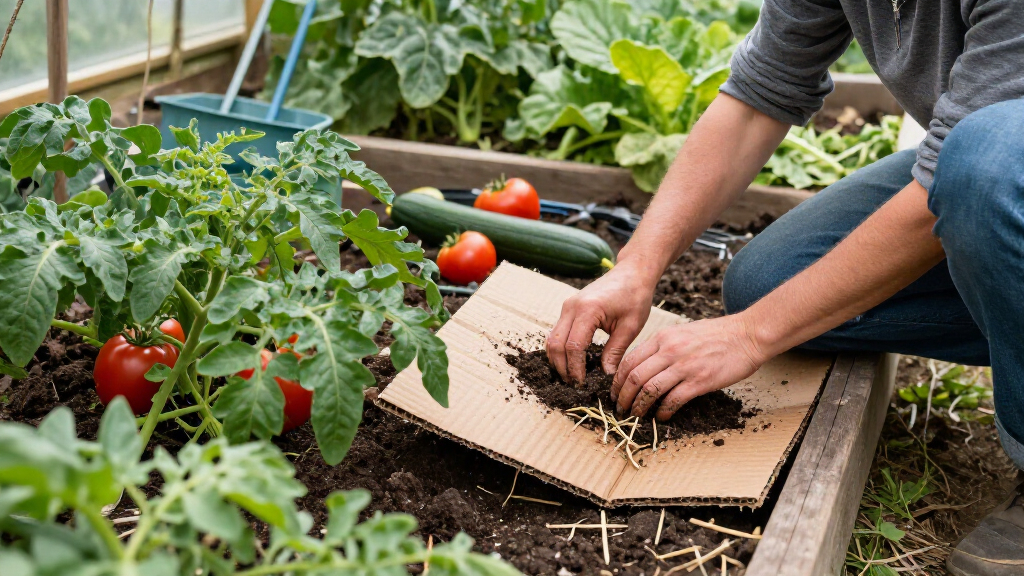
The article recommends using corrugated, uncoated brown cardboard, removing tape and labels, and overlapping sheets by at least six inches where persistent weeds such as bindweed are a concern. It describes the trial’s method as placing four to six inches of compost over the cardboard before planting, then making a planting hole for each seedling. These are reported recommendations, not a claim that every garden needs the same setup.
Cardboard’s Effect on Weeds and Yields
The findings offer gardeners a possible way to reuse clean packaging while addressing two common growing problems: weeds and soil moisture. The reported difference in weed coverage suggests cardboard may reduce the need for repeated tilling in the conditions studied. Less weed competition can also help crops access water, light and nutrients, although the supplied report does not establish which factors drove the yield changes.
The reported yield increase of up to 97% is the headline result, but its scope matters: it applied to some crops in a particular two-year trial, not every crop or location. The personal account adds an example of how the method performed in one home garden, but cannot verify the trial or predict results elsewhere. Readers can treat cardboard mulch as a method worth testing, rather than a guaranteed route to a bumper harvest.
cardboard mulch for vegetable beds
As an affiliate, we earn on qualifying purchases.
As an affiliate, we earn on qualifying purchases.
How the Cardboard Trial Worked
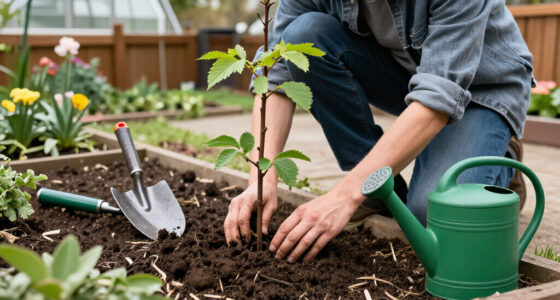
The trial took place at Sweet Hollow Farm in Victor, Idaho, and involved several crops and growing seasons. The report says researchers used two layers of corrugated cardboard to create a barrier against persistent perennial weeds, then covered it with four to six inches of compost. Seedlings were planted through openings in the layers.
The Gardening Know How writer used one layer in their own bed and highlighted practical preparation: use brown cardboard without a water-resistant coating, remove all tape and shipping labels, and overlap sheets so weeds cannot grow through gaps. The source says an oil-drop test can help identify some coated cardboard: if oil remains on the surface rather than soaking in, the writer advises not using it. The article also cautions against glossy or water-repellent finishes and highly pigmented inks.
As an affiliate, we earn on qualifying purchases.
Limits of the Reported Results
The supplied report does not include the trial’s full data, methods, statistical analysis or crop-specific yield results. It is therefore not possible from this material to determine how consistent the reported gains were across crops or seasons, or how much results depended on compost, weather, soil and other growing conditions.
The writer’s 95% weed-free estimate and best-ever harvest are personal observations, without a stated measurement method or controlled comparison. The article also makes claims about some packaging finishes, inks and labels, but the supplied material does not provide supporting studies for those claims. The exact year of the October personal report is not stated.
corrugated cardboard for weed control
As an affiliate, we earn on qualifying purchases.
As an affiliate, we earn on qualifying purchases.
What Gardeners Can Test Next
No further trial results or follow-up research are specified in the source material. Gardeners considering the method can follow the reported precautions: select suitable uncoated cardboard, remove labels and tape, overlap sheets where persistent weeds are present, and cover the cardboard with compost if using the trial’s planting approach.
To judge results in their own conditions, growers could compare similar mulched and unmulched beds and keep records of weed coverage, soil moisture and harvest weight across the season. Such observations would not replace a controlled study, but could show whether the method is useful in a particular garden and for particular crops.
As an affiliate, we earn on qualifying purchases.
Key Questions
Did cardboard mulch increase vegetable yields in the trial?
The report says some crops in the two-year University of Wyoming and USDA-funded trial had yields up to 97% higher. It does not identify the crops or provide detailed figures in the supplied material, so that maximum should not be treated as a general prediction.
How much did cardboard mulch reduce reported weed coverage?
Weed coverage was reported at 15% in cardboard-mulched beds, compared with 45% in traditionally tilled beds at the Idaho trial site. Those figures describe the reported study comparison.
What kind of cardboard does the article recommend?
The article recommends corrugated, uncoated brown cardboard. It advises removing shipping labels and tape and avoiding glossy or water-resistant cardboard. These recommendations are based on the Gardening Know How report.
Does the personal harvest prove cardboard caused the result?
No. The writer reported a strong harvest and a bed estimated to be 95% free of weeds, but this was a personal, uncontrolled observation. It cannot establish that cardboard caused the harvest or predict outcomes in other gardens.
How was cardboard used in the reported trial?
The trial reportedly used two layers of corrugated cardboard, covered with four to six inches of compost. Seedlings were planted through holes in the layers.
Source: rss
Fall yard work Picks
leaf blowers
As an affiliate, we earn on qualifying purchases.