
TL;DR

Get garden gear delivered free with Prime
- Fast, free delivery on millions of items
- Prime Video, Amazon Music and more included
- Member-only deals all year
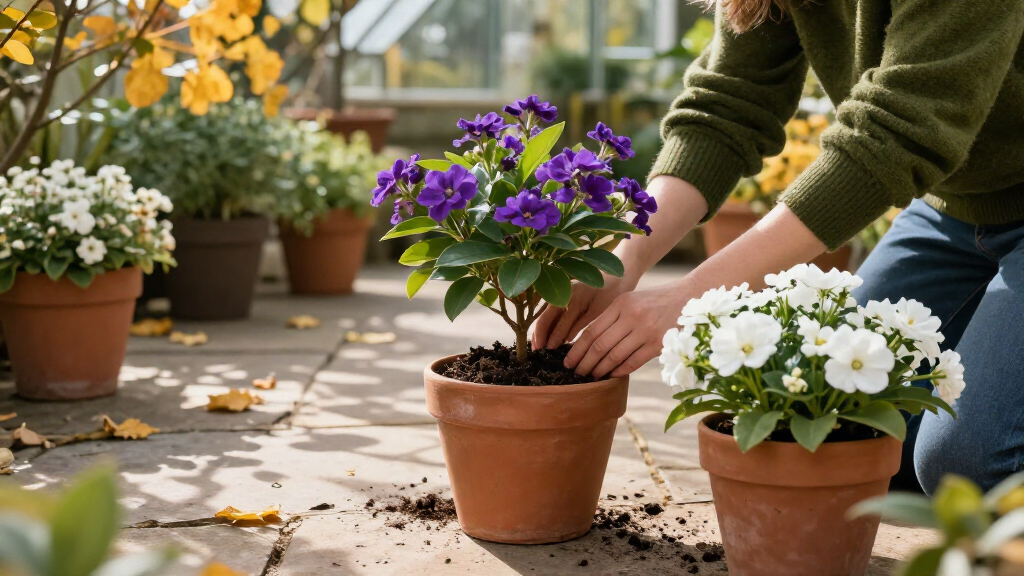
An Ideal Home gardening report highlights four shrubs that can bring flowers, fragrance or foliage interest to pots in autumn: hardy fuchsia, Elaeagnus, heather and Viburnum tinus. The recommendations come from named gardening experts, but flowering times and cold tolerance vary by plant and local conditions.
Ideal Home has recommended four shrubs for containers that can add autumn or winter flowers, fragrance or foliage interest: hardy fuchsia, Elaeagnus, heather and Viburnum tinus. The advice, based on comments from garden experts, offers options for people seeking colour as the growing season cools, though flowering periods and cold hardiness depend on the variety and conditions.
Fuchsia magellanica is the choice for vivid flowers into autumn, according to Topher Martyn, head gardener at Syon Park. He says cultivars such as ‘Thalia’ can show intense colour in lower light. Martyn describes fuchsias as worth trying in a sunny position, while cautioning that they are not especially tough; the report recommends choosing hardy varieties for pots.
Elaeagnus offers a different kind of autumn interest. Its flowers are small, but Martyn says their fragrance can be strong on a still day. He highlights ‘Gilt Edge’ for leaves edged in gold and says the plants are tough. The report also identifies Elaeagnus ebbingei ‘Maryline’ as an option for gardeners seeking a fragrant shrub.
Winter-flowering Erica heathers are recommended by Dave The Plantman, working with garden pottery manufacturer Mims Pottery. The report says many winter-flowering heathers begin blooming in late autumn and are available in several pot sizes. It also mentions Calluna heathers as an option for earlier autumn flowers. Viburnum tinus, recommended by Julian Palphramand, head of plants at British Garden Centres, produces clusters of white or pink-tinged flowers from late autumn into winter and is described as suited to a sheltered container position.
Four Shrubs for Cooler Months
The recommendations address a common seasonal gap: many garden flowers fade as temperatures fall, but these shrubs may continue to provide blooms, scent or evergreen foliage. They also offer different benefits rather than a single planting formula. Fuchsia and heather are presented for flower colour, Elaeagnus for fragrance and leaf markings, and Viburnum tinus for flowers that can continue through winter.
For container gardeners, choosing plants described as compact or suitable for pots can help make use of patios, balconies and smaller gardens. The source does not promise that every plant will flower abundantly in every location. Light, shelter, variety and local weather all affect performance, and the advice should be treated as expert guidance rather than a guarantee.
As an affiliate, we earn on qualifying purchases.
How the Recommendations Differ
The article draws on named horticultural sources rather than reporting a new trial or survey. Martyn discusses both fuchsia and Elaeagnus; Dave The Plantman recommends winter-flowering Erica; and Palphramand comments on Viburnum tinus. The plants cover different parts of the season: some may flower in autumn, while Viburnum tinus is described as flowering from late autumn and through winter.
The report’s central qualification is that gardeners should select plants suited to containers and their conditions. It specifically advises hardy fuchsia varieties and a sheltered position for Viburnum tinus. It also notes that evergreen shrubs can add structure beyond the flowering season, but the four recommendations are not presented as a comparative test of performance or care requirements.
“Fuchsia magellanica will flower well into the autumn, and the intense colour of cultivars such as ‘Thalia’ work really well in low light levels.”
— Topher Martyn, head gardener at Syon Park
As an affiliate, we earn on qualifying purchases.
Flowering Depends on Conditions
The report does not give a publication date, growing-zone guidance, or a detailed care schedule for each shrub. It also does not specify how large a pot should be, how often containers need watering, or whether plants need winter protection in different climates. Flowering dates are not guaranteed: the source describes typical or expert-observed periods, which can vary with weather, plant maturity and local conditions.
Martyn says hardy fuchsias are worth trying but also warns they are not especially tough. The report does not establish that every named variety will tolerate the same cold, nor does it compare the four plants under identical conditions. Readers should check the requirements for the chosen cultivar and their location before planting.
As an affiliate, we earn on qualifying purchases.
Choosing Plants for Your Pots
Gardeners considering the recommendations can select a shrub based on the effect they want: fuchsia for colour, Elaeagnus for scent, heather for late-season flowers or Viburnum tinus for flowers extending into winter. Check the plant label for mature size, preferred light and cold tolerance, and choose a container with suitable drainage. A sheltered position is specifically advised for Viburnum tinus in the source.
The article does not announce a follow-up study or forecast a particular flowering season. The next practical step is to match a plant and pot to local conditions, then monitor growth and flowering as autumn progresses. Actual bloom timing will become clearer as the season and weather develop.
As an affiliate, we earn on qualifying purchases.
Key Questions
Which shrubs are recommended for autumn pots?
The four recommendations are hardy fuchsia, Elaeagnus, winter-flowering heather and Viburnum tinus. They offer different combinations of flowers, fragrance and foliage interest.
Which of the four is recommended for fragrance?
Topher Martyn recommends Elaeagnus, saying its small flowers can produce an intense fragrance on a still autumn day.
When does Viburnum tinus flower?
According to Julian Palphramand, Viburnum tinus flowers from late autumn and can continue through winter. The report recommends a sheltered spot.
Will these shrubs flower at the same time everywhere?
No fixed flowering schedule is provided. Timing can vary with the plant variety, weather and local growing conditions, so the source’s periods should be treated as guidance rather than a guarantee.
Source: rss
Evergreen bestsellers Picks
bestsellers
As an affiliate, we earn on qualifying purchases.