TL;DR

Get garden gear delivered free with Prime
- Fast, free delivery on millions of items
- Prime Video, Amazon Music and more included
- Member-only deals all year
Grow Organic’s report explains how home gardeners can match olive varieties to local climate, provide full sun and well-drained soil, and care for trees from planting through harvest. Fruit production depends on more than keeping a tree alive: winter conditions, cultivar and pollination matter, and harvested olives need a tested curing recipe before eating.
Grow Organic’s olive-growing guide sets out the conditions and care home gardeners need to raise olive trees, while warning that survival does not guarantee a good crop. Its central advice is to choose a suitable variety for local conditions, provide full sun and well-drained soil, and account for cold, pollination and harvest goals.
The report identifies the edible olive as Olea europaea, an evergreen tree whose small flowers develop into fleshy fruits with a hard stone. Fruit forms over several months after flowering, and flowers grow on wood produced during the previous season. For that reason, heavy pruning can remove potential fruiting wood, the guide says.
Site and variety choices shape the prospects for a crop. Mediterranean conditions—warm, dry summers and cool winters—are a familiar fit, but the report says gardeners should assess local winter lows, temperature swings and summer conditions rather than relying on a broad regional label. Trees need full sun and soil that drains well; prolonged wetness can harm roots. In areas with mild winters, insufficient winter chilling may also limit flowering for some cultivars.
Gardeners are advised to select a fruiting cultivar, not a fruitless landscape olive, and check whether it can set fruit on its own. Olives are wind-pollinated; a compatible second cultivar whose flowering overlaps may improve fruit set. The guide says two identical trees do not provide genetic diversity and recommends checking cultivar information and local Extension advice.
A Living Tree May Not Set Fruit
The guide’s practical significance is that olive-tree survival and a dependable harvest are different outcomes. Gardeners who select a variety unsuited to their climate, plant in waterlogged soil or prune away fruiting growth may keep a tree alive without getting the crop they expect. Pollination needs can also affect results, so cultivar choice matters before planting, not just during routine care.
Harvesting brings a separate food-safety concern. Fresh olives are intensely bitter and need appropriate curing before they are eaten. The report advises following a tested university or government preservation recipe, including its ingredient proportions, acidity or salt requirements, processing times and storage directions. Homemade brine alone should not be treated as proof that olives are safe for shelf-stable storage.
As an affiliate, we earn on qualifying purchases.
From Planting to First Harvest
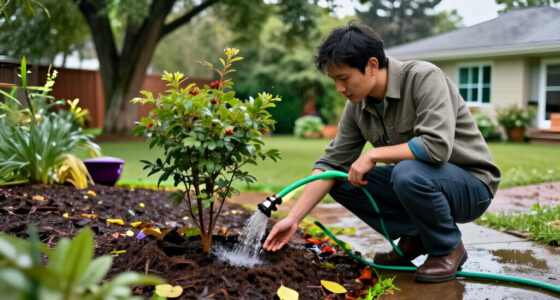
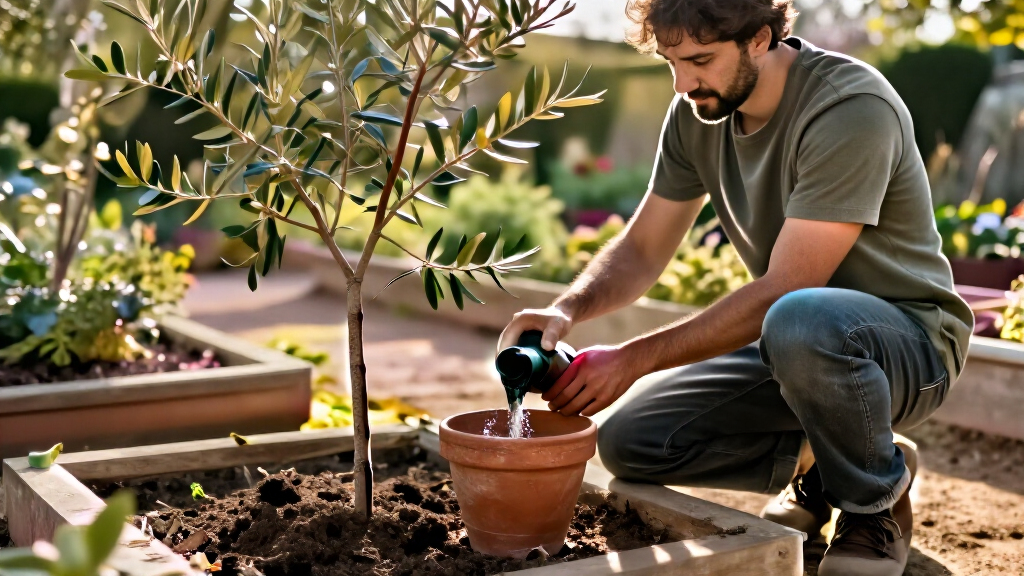
For garden planting, the report recommends waiting until the risk of severe frost has passed in spring. Dig a broad hole no deeper than the root ball, keep the root flare near the soil surface, backfill with native soil and water thoroughly. Mulch should not touch the trunk. In a container, drainage holes and a freely draining potting mix are needed, with room for root growth and future repotting.
Young trees need regular moisture while their roots establish. Established trees tolerate drought, but the report distinguishes drought survival from reliable fruit production. It recommends watering deeply, letting the soil drain, and checking moisture rather than following a fixed calendar; containers dry faster, particularly in heat and wind. Fertilizer should not be applied blindly: excess nitrogen can favor leafy growth over crops, so testing and local advice can help guide feeding.
Pruning should be restrained. Remove dead or crossing branches and unwanted basal shoots while preserving enough canopy for light and fruiting wood. In colder areas, wait until serious frost risk has passed. Monitor for pests and disease; olive fruit fly larvae damage fruit where the pest occurs, while Verticillium wilt can resemble drought or root problems. The guide recommends seeking an Extension diagnosis and using pesticides only when labeled for olives and the identified problem.
““keeping a tree alive does not always mean it will bear well.””
— Grow Organic report
As an affiliate, we earn on qualifying purchases.
Local Conditions Shape Results
The supplied report does not specify a publication date, give a single hardiness threshold that applies to every olive tree, or identify one variety suited to all home gardens. Cold tolerance varies by cultivar, tree age and cold acclimation, while flowering and fruit set depend on local conditions and, for some varieties, compatible pollen. Gardeners should consult cultivar-specific information and local Extension guidance before planting.
The source also does not provide a guaranteed timetable or yield for a home-grown tree. Pest pressure differs by location, and signs of Verticillium wilt may resemble drought or root trouble. A diagnosis and locally appropriate management advice may be needed. The exact harvest stage and curing method depend on cultivar and intended use; safe storage cannot be inferred from a general brine recipe.
As an affiliate, we earn on qualifying purchases.
Track Flowering and Harvest
The guide recommends recording flowering and harvest dates each year so gardeners can adjust care to their site and tree. After choosing a suitable cultivar and planting in well-drained soil, monitor moisture as roots establish, assess growth before changing fertilizer, and prune with the next crop in mind. Check for pests and disease before selecting any treatment, and seek local advice when symptoms are unclear.
At harvest, choose fruit according to cultivar maturity and intended use, handle it gently and process it promptly. Before preserving olives, consult a tested university or government recipe and follow its full directions for ingredients, processing and storage. Those steps—not fruit color alone—guide when olives are ready and how they can be safely prepared.
As an affiliate, we earn on qualifying purchases.
Key Questions
Do olives grow on trees or vines?
Olives grow on the evergreen tree Olea europaea. Its small flowers develop into fleshy fruit containing a hard stone.
What conditions do olive trees need?
The guide recommends full sun and well-drained soil. Local winter cold, summer conditions and, in some cultivars, winter chilling can affect growth and fruiting.
Does an olive tree need another tree to produce fruit?
Some cultivars can set fruit alone, while others need compatible pollen. Olives are wind-pollinated, and a second suitable cultivar with overlapping bloom may improve fruit set. Check the needs of the specific variety.
Can fresh olives be eaten straight from the tree?
No. The report says fresh olives are intensely bitter and require appropriate curing. Use a tested university or government preservation recipe and follow its ingredient, processing and storage instructions.
Source: rss
Columbus Day / Indigenous Peoples' Day Picks
long weekend sales
As an affiliate, we earn on qualifying purchases.