TL;DR

Get garden gear delivered free with Prime
- Fast, free delivery on millions of items
- Prime Video, Amazon Music and more included
- Member-only deals all year
A Gardening Know How report explains how to recreate the fall pumpkin display associated with Martha Stewart’s home: use a limited color palette, vary pumpkin sizes, arrange them in odd-numbered groups and add flowers and foliage. The advice comes from two design and gardening experts; the report does not establish that Stewart has published a new tutorial or that her display is simple for every home.
Gardening Know How has published advice on recreating the pumpkin-lined fall staircase display associated with Martha Stewart, recommending a coordinated color palette, varied pumpkin sizes and flowers or foliage to make the arrangement look planned. The report gathers tips from event designer Preeti Shah and gardening expert Heidi Grasman; it is a how-to guide, not an announcement of a new Stewart display or a tutorial from Stewart herself.
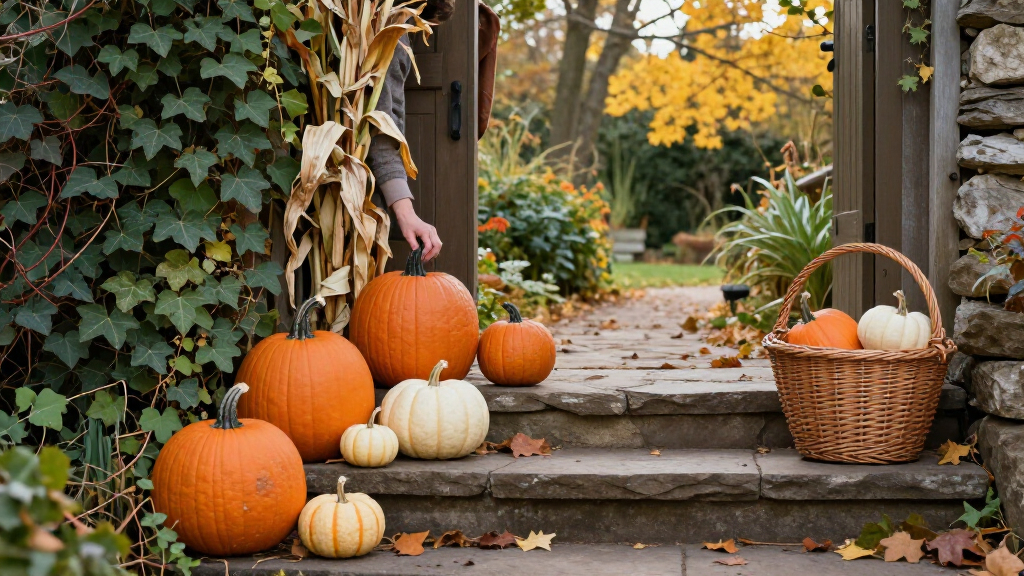
Shah, founder of Spotlight Style and an event producer with more than 20 years of experience, advises choosing a tight palette and repeating its colors across the staircase. She suggests combining creamy whites and soft sage with a single deep orange, varying the sizes, and arranging pumpkins in odd-numbered groups. Larger pieces can anchor the corners, while smaller ones sit nearer the front edges of steps.
Spacing matters as much as the objects themselves, Shah says. Leave room between clusters so the stairs remain visible, then step back to see whether one area draws too much attention. Grasman, co-owner of Garden Crossings, says flowers and foliage help distinguish a broader autumn arrangement from a porch decorated only with pumpkins. She recommends using chrysanthemums for flower color and plants such as coral bells and ornamental grasses for foliage and structure.
The report names several pumpkin options for different looks. White and cream varieties include Casper, Lumina and Baby Boo; Howden and Cinderella pumpkins offer traditional orange tones. Galeux d’Eysines, with textured skin, and bluish-gray Jarrahdale pumpkins can add contrast, while gourds can fill smaller spaces along step edges. The guidance is to treat pumpkins and vegetables as accents when flowers are part of the planting scheme.
A Staircase Display Built on Simple Rules
The advice turns a polished seasonal display into a set of choices readers can adapt: repeat a few colors, balance large and small objects, and leave visible space. That matters for porches and staircases, where a crowded arrangement can obscure the steps or appear unplanned. The recommendations are design guidance rather than a guarantee that a display will match Stewart’s in scale or appearance.
Grasman’s emphasis on plants also offers a way to make decorations feel seasonal beyond Halloween. Mums provide blooms, while foliage and ornamental grasses add shape. Her advice on choosing chrysanthemums by their stage of growth gives readers a practical tradeoff: plants already in bloom offer immediate color, while those still in bud may extend the display’s flowering period.
white pumpkin varieties Casper Lumina Baby Boo
As an affiliate, we earn on qualifying purchases.
As an affiliate, we earn on qualifying purchases.
The Plants Behind the Porch Look
The Gardening Know How report presents Stewart’s annual pumpkin-lined staircase as the inspiration for its advice. It does not provide a current photograph, date a specific display, or quote Stewart directly. Its central point is that the look relies on composition and planting, not simply placing many pumpkins together.
For readers who want to grow their own, the report says to sow pumpkins outdoors in late May or early June, or indoors four to six weeks before the last frost. Most varieties need at least six feet of space in each direction, according to the article. It advises sowing two seeds at each station and snipping the weaker seedling at soil level after both germinate. Once fruit develops, plants should be kept well-watered.
The report says pumpkins are ready to harvest when their skin is hard and the stem is dry. It recommends curing them in a warm place for 10 to 14 days before display, a step it says helps harden the skin and extend how long they last. These are seasonal growing suggestions, separate from the immediate styling advice for store-bought or already harvested pumpkins.
“A pumpkin display looks designed when it has a plan.”
— Preeti Shah, founder of Spotlight Style and event producer
fall flower arrangements chrysanthemums ornamental grasses
As an affiliate, we earn on qualifying purchases.
As an affiliate, we earn on qualifying purchases.
What the Guide Does Not Confirm
The report does not say when Stewart’s latest display was arranged, how many pumpkins it contains, or whether she personally endorses the suggested steps. The article’s headline calls the display easy to copy, but ease will depend on the space, materials and plants available. The experts’ recommendations are general styling and gardening advice, not a measured comparison of costs or results.
Growing advice also depends on local frost dates, available garden space and the variety chosen. The source gives broad planting windows and a minimum space estimate, but not region-specific schedules or care instructions for every listed pumpkin. It does not establish how long a finished arrangement will last under different weather conditions.
pumpkin display outdoor staircase decor
As an affiliate, we earn on qualifying purchases.
As an affiliate, we earn on qualifying purchases.
Plan the Display Before Autumn
Readers following the decorating advice can start by choosing a limited palette, then select pumpkins in different sizes and place them in small groups while keeping the staircase clear. Adding chrysanthemums and foliage can provide color and structure; choosing mums in bud or bloom depends on whether the priority is a longer flowering period or instant color.
For gardeners aiming to grow pumpkins for a later fall display, the next step is to work backward from local frost dates and the time needed for plants to mature. The source recommends harvesting only after skins harden and stems dry, then curing fruit for 10 to 14 days. No further Stewart announcement or follow-up from her was included in the report.
fall foliage and pumpkin decorating kit
As an affiliate, we earn on qualifying purchases.
As an affiliate, we earn on qualifying purchases.
Key Questions
What are the main rules for recreating the display?
Use a limited color palette, vary pumpkin sizes, arrange them in odd-numbered groups and leave enough space for the stairs to remain visible. The report also recommends adding flowers and foliage.
Which pumpkins does the report suggest?
For pale colors, it lists Casper, Lumina and Baby Boo. Howden and Cinderella are options for orange, while Galeux d’Eysines and Jarrahdale offer unusual textures or colors.
What flowers and foliage can complement pumpkins?
Gardening expert Heidi Grasman recommends chrysanthemums for flower color, with coral bells and ornamental grasses for foliage and structure. She also mentions ornamental peppers, kale and cabbage for fall planters.
When should pumpkins be planted for a fall display?
The report advises sowing outdoors in late May or early June, or indoors four to six weeks before the last frost. Timing varies by local conditions and the pumpkin variety.
Did Martha Stewart publish the instructions?
No. The source is a Gardening Know How report that uses Stewart’s display as inspiration and attributes its practical recommendations to design and gardening experts.
Source: rss
Halloween Picks
halloween
As an affiliate, we earn on qualifying purchases.