TL;DR

Get garden gear delivered free with Prime
- Fast, free delivery on millions of items
- Prime Video, Amazon Music and more included
- Member-only deals all year
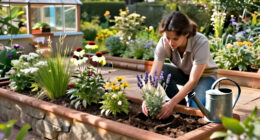
Chop and drop means cutting back suitable plants and leaving the pieces on the soil instead of carrying them away. Homes & Gardens describes it as a way to reduce cleanup and return organic matter to beds, while noting that the resulting cover can look messy and shelter slugs or snails.
Chop-and-drop gardening offers a simpler alternative to removing plant cuttings after trimming: cut suitable growth into small pieces and leave it on the bed to break down. A report by Homes & Gardens says the practice can save cleanup effort and add organic matter to soil, though the cover may look untidy and provide hiding places for slugs and snails.
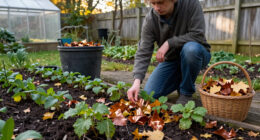
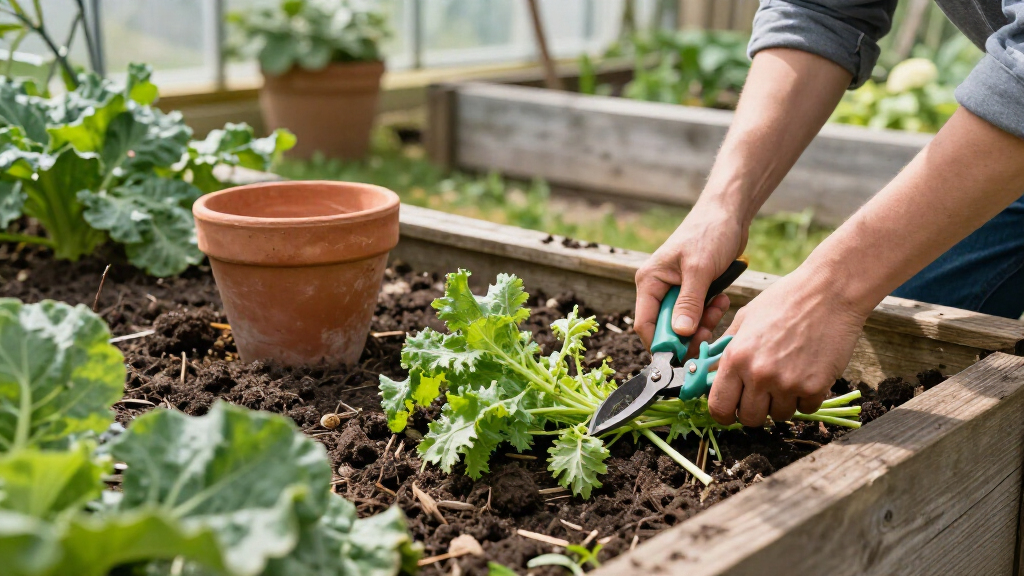
The technique is straightforward: cut plants back, then place the clippings directly on the ground rather than hauling them away for composting and returning finished compost later. The report says it can be used in borders and raised beds, including when cutting back perennials, trimming ornamental grasses, deadheading flowers or removing soft seasonal growth.
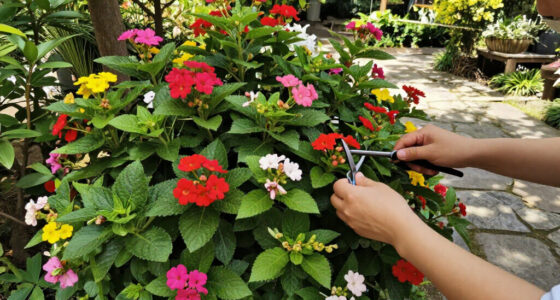
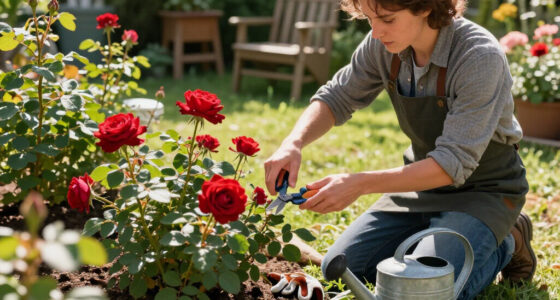
For end-of-season perennial cutbacks, the report recommends using sharp pruning tools and chopping stems into roughly 2- to 4-inch pieces. Smaller pieces look neater than long stems and are described as breaking down more quickly. Dead flower heads and soft clippings can also be left on the soil, where they decompose over time.
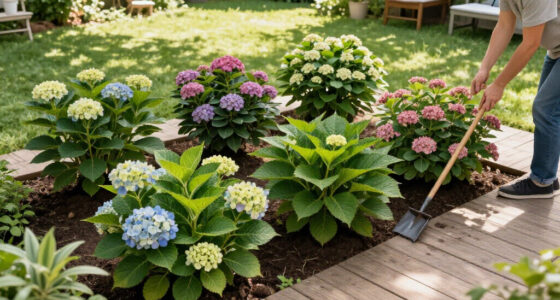
Homes & Gardens lists hardy geraniums, persicaria, catmint, astilbe, aster, phlox and ornamental grasses as suitable candidates. It advises against using hosta and agapanthus cuttings because they can turn into a slimy, unattractive layer. The report does not provide a measured comparison of labor saved or soil improvement, so those benefits are presented as practical gardening guidance rather than quantified results.
Less Hauling, More Soil Cover
For gardeners who regularly clear beds, chop and drop removes several steps: gathering clippings, taking them to a compost pile and later transporting compost back to the garden. Leaving suitable material in place can also create a surface layer of organic matter as it breaks down. The report says earthworms, fungi and microbes help incorporate decaying material into the soil.
That layer may also shield bare ground from rain and wind, which can wash away soil, and reduce moisture loss from the surface during warmer weather. In colder months, plant debris can provide some insulation. These are potential garden benefits described by the source; the report does not quantify how much erosion, watering or frost damage the technique prevents.
Plant debris can also offer cover for insects and other small wildlife. The trade-off is appearance and pest management: a bed with visible clippings may not suit gardeners who prefer a tidy finish, and the material can shelter slugs and snails. The approach is best treated as a choice that depends on the plants, site and gardener’s priorities, not a universal replacement for removing garden waste.
As an affiliate, we earn on qualifying purchases.
A Different Route for Cuttings
The conventional approach described in the report is to remove plant material, compost it elsewhere and return it to the garden after it has decomposed. Chop and drop instead leaves suitable cuttings where they were grown, making decomposition happen in place. It is a form of surface mulching, rather than a process that instantly turns fresh stems into finished compost.
The report presents the method as usable across several points in the gardening calendar: fall cutbacks, spring trimming, late-spring pruning sometimes called the “Chelsea Chop,” and summer deadheading. Its practical advice is to select plants whose cuttings break down acceptably, use sharp tools, and shorten stems before spreading them. It does not recommend leaving every kind of plant material on every bed.
“The technique involves cutting back plants (chop) and putting the cuttings straight onto the ground (drop).”
— Homes & Gardens report
As an affiliate, we earn on qualifying purchases.
Limits of the Reported Benefits
The report offers general gardening advice but no trial data, measurements or comparison of soil outcomes between chop and drop and other mulching methods. It does not quantify time saved, nutrient gains, water savings or the degree of protection from erosion and frost. Results will depend on the plants, the amount and condition of the material, and local growing conditions.
It also does not set out detailed guidance for diseased or pest-affected plant material, or specify how thick a layer should be. Gardeners should not assume all cuttings are appropriate to leave in place. The source specifically warns about the slimy residue from hostas and agapanthus and the possibility that debris can shelter slugs and snails.
As an affiliate, we earn on qualifying purchases.
Choose Cuttings Before Trimming
Before the next seasonal cutback, gardeners can identify which plants are suitable and decide whether a layer of visible clippings fits the bed. For recommended perennials and grasses, the report’s method is to cut with sharp tools, shorten stems to 2 to 4 inches and spread them over the soil. For plants that break down poorly, or where pest cover and appearance are concerns, the cuttings can instead be removed and handled through another garden-waste or composting method.
The practical test is how the material behaves in the bed: check whether it breaks down without forming an unwelcome slimy layer and whether the cover creates pest problems. The source does not announce a new product, policy or research finding; it offers seasonal guidance for gardeners weighing a faster cleanup routine against the look and management needs of their beds.
As an affiliate, we earn on qualifying purchases.
Key Questions
What does chop and drop mean?
It means cutting suitable plants and leaving the pieces directly on the soil to break down, rather than removing them for composting elsewhere.
Which plants does the report recommend?
Homes & Gardens names hardy geraniums, persicaria, catmint, astilbe, aster, phlox and ornamental grasses as suitable examples.
Which cuttings should be avoided?
The report advises against hosta and agapanthus cuttings, saying they can become a slimy layer. It also notes that plant debris can shelter slugs and snails.
How small should the cuttings be?
For perennial stems, the report suggests pieces around 2 to 4 inches long, which are neater and described as breaking down faster than long stems.
Does chop and drop work only in fall?
No. The report describes using it during fall or spring cutbacks, late-spring trimming, summer deadheading and other times when suitable soft growth is cut.
Source: rss
Fall Picks
fall essentials
As an affiliate, we earn on qualifying purchases.