TL;DR
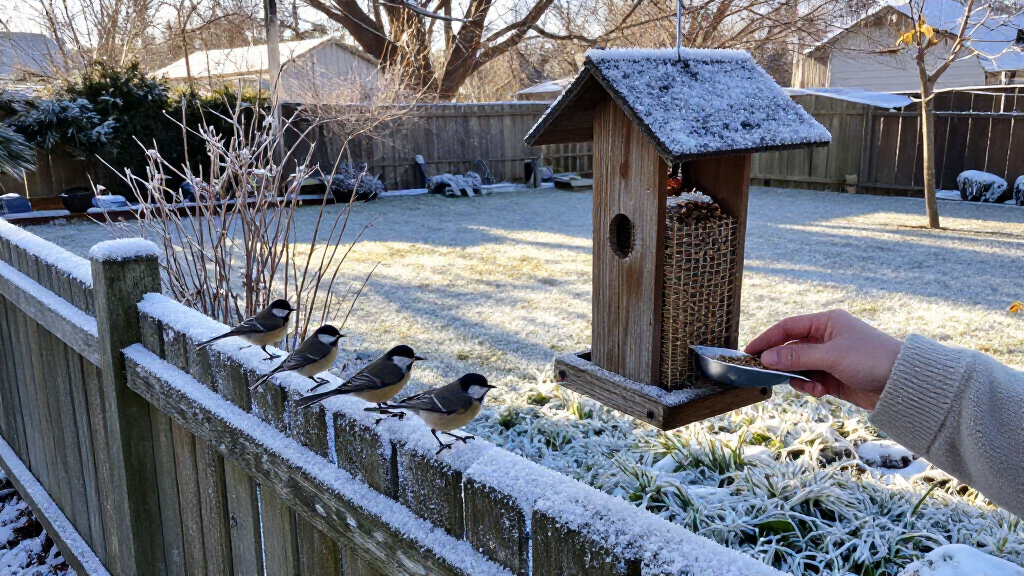
The RSPB’s seasonal guidance says people can feed birds nuts and seeds from 1 November to 30 April, after advising a pause during the warmer months because of trichomonosis concerns. The charity says the disease risk is lower in colder weather, but recommends feeding modest amounts, cleaning feeders weekly and changing bird-bath water daily.
The RSPB says people can offer birds nuts and seeds from 1 November to 30 April, ending its recommended seasonal pause on those foods as colder weather lowers the risk of trichomonosis spreading. The charity says natural food is scarcer during winter, but stresses that careful feeding and hygiene remain necessary because the disease risk does not disappear.

Get garden gear delivered free with Prime
- Fast, free delivery on millions of items
- Prime Video, Amazon Music and more included
- Member-only deals all year
Earlier in the year, the RSPB asked the public to stop providing seeds and peanuts between 1 May and 31 October. The pause was intended to reduce opportunities for trichomonosis to spread during warmer months, when the charity says the risk is higher. Its updated guidance permits nuts and seeds again during the colder period, from November through April.
RSPB wildlife expert Charlotte Ambrose said the charity’s concern is linked to disease-related declines in finches, particularly greenfinches. She said greenfinches prefer seeds but may also eat peanuts, and described colder months as a time when the disease is less likely to survive and spread. She also said birds can benefit from a wider range of supplementary food when natural sources are scarce.
The RSPB advises putting out only enough food to be eaten within a day or two, with an exception for suet, which usually takes longer to consume. Feeders should be emptied, dismantled and thoroughly cleaned at least once a week with soapy water and disinfectant. The charity also recommends choosing well-ventilated feeders that limit rainwater entering, removing uneaten food from the ground and, where possible, moving cleaned feeders to different locations.
Safer Winter Feeding for Garden Birds
The change gives householders a clear seasonal schedule: seeds and nuts are permitted from November to April, while the RSPB’s advised pause runs from May through October. That matters for people who feed garden birds, but also for the birds themselves: feeders can bring many individuals to the same food and water sources, creating opportunities for infection to pass between them.
The guidance balances supplementary food with disease prevention rather than presenting feeding as risk-free. The RSPB says winter’s lower disease risk coincides with scarcer natural food, but it still calls for controlled portions and regular cleaning. For readers, the practical point is that simply putting out more food is not the recommendation; how feeders and water are managed is part of the advice.
Products Worth Considering

Garvee 6 × 10 ft Walk-In Greenhouse with Aluminum Frame

Greenworks 48V (24V x 2) 20-inch Brushless Push Lawn Mower with 2 Batteries and Dual Port Charger

Greenworks 60V 21-Inch Self-Propelled Cordless Lawn Mower with Two 4.0Ah Batteries
As an affiliate, we earn on qualifying purchases.
Why the Seasonal Pause Changed
Trichomonosis is caused by a parasite that affects a bird’s throat and upper digestive tract. In the source report, bird expert James Ewens of Green Feathers explained that lesions can make swallowing difficult and that severe infection can be fatal. He said the disease spreads mainly through saliva, including when contaminated food is left on feeders or the ground, and that the parasite can also survive in water.
The RSPB’s seasonal approach reflects the difference it describes between warmer and colder months: it asked people to pause seeds and peanuts during the May-to-October period, then permits them from November through April. The report also cites a 67% decline in average greenfinch numbers recorded since the Big Garden Birdwatch began in 1979, attributing the decline largely to disease. That figure is presented in the report without a separate methodology or comparison period beyond those two points.
“Over the colder months, there is a lower risk of the disease surviving and spreading.”
— Charlotte Ambrose, RSPB wildlife expert
What the Advice Does Not Establish
The source report does not give the year in which the November guidance was issued, so the dates are best understood as the RSPB’s stated seasonal window rather than a dated announcement. It also does not provide current disease case numbers, a forecast of how infection levels may change this winter, or a quantified estimate of how much the pause will reduce transmission.
The guidance describes a lower risk in colder months, not an absence of risk. The report does not specify a single cleaning product or disinfectant, nor does it provide detailed product-use instructions. Readers should follow the instructions on any cleaning product they use and avoid treating the seasonal permission as a reason to neglect feeder and water hygiene.
How to Follow the Winter Guidance
From 1 November, people following the RSPB’s advice can offer nuts and seeds, while keeping quantities small and checking whether food has been eaten within a day or two. The practical routine is to clean feeders weekly, clear uneaten food from below them and refill bird baths with fresh water each day; baths should also be cleaned weekly with warm soapy water and disinfectant.
The RSPB also advises against flat feeding surfaces, including bird tables, window feeders and trays beneath hanging feeders, saying its research found disease was more likely to spread on them. The seasonal window ends on 30 April, after which the charity’s stated pause on seeds and peanuts runs from 1 May to 31 October. No further change to that schedule is reported.
Key Questions
When does the RSPB say nuts and seeds can be fed?
The RSPB’s seasonal guidance allows nuts and seeds from 1 November through 30 April. It advised a pause from 1 May to 31 October.
Why did the RSPB advise a pause during warmer months?
The charity said the pause was intended to help reduce the spread of trichomonosis, a disease affecting birds, including finches. It says the risk of spread is higher in warmer weather.
How often should bird feeders be cleaned?
The RSPB recommends emptying, dismantling and thoroughly cleaning feeders with soapy water and disinfectant at least once a week. Uneaten food beneath feeders should also be cleared away.
What does the RSPB advise for bird baths?
Empty and refill a bird bath with fresh water daily, and clean it once a week with warm soapy water and disinfectant, according to the advice quoted in the report.
Does winter feeding remove the risk of disease?
No. The RSPB describes the risk as lower in colder months, not eliminated. It continues to recommend modest portions and regular cleaning.
Source: idealhome.co.uk