TL;DR
A Homes & Gardens gardening report recommends preparing rosemary for winter in November, particularly in colder regions. Its advice includes moving container plants indoors before nights regularly fall below 45°F, protecting outdoor plants from frost, using light, free-draining mulch and avoiding hard pruning.
A Homes & Gardens report says rosemary growers should prepare plants for winter in November by sheltering containers, protecting outdoor shrubs from frost and applying a light, well-draining mulch. The advice matters most to gardeners in US hardiness zone 7 and colder, where freezing weather can damage foliage and roots; the report also cautions against hard pruning before winter.

Get garden gear delivered free with Prime
- Fast, free delivery on millions of items
- Prime Video, Amazon Music and more included
- Member-only deals all year
For potted rosemary, the report recommends moving plants to a bright indoor position before nighttime temperatures consistently drop below 45°F. A sunny window that receives six to eight hours of light daily is suggested. Gardeners are advised to inspect plants for pests before bringing them inside. If a plant is growing in the ground and is small enough to move, it can be lifted and placed in a container with well-draining potting mix. Larger shrubs may need to remain outdoors and receive protection there.
Outdoor plants in colder areas can be sheltered with a portable cold frame or covered during freezing nights with frost cloth, burlap, blankets or old sheets. The report suggests putting a tent-like support over plants so the covering does not rest directly on the foliage. Covers can be removed during the day when conditions allow. It warns against plastic coverings, which can trap moisture and raise the risk of mold.
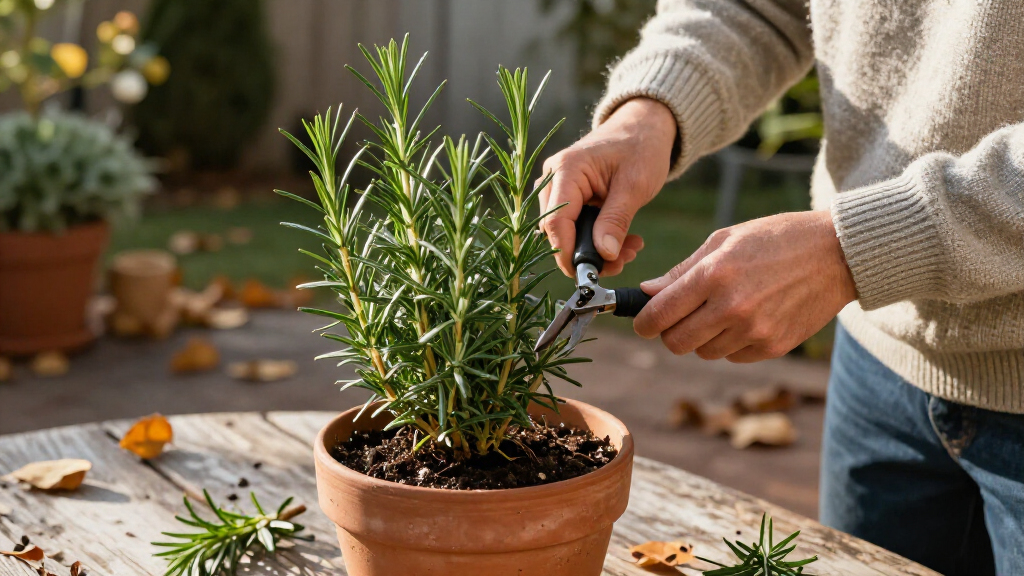
Before the ground freezes, gardeners can spread a light layer of straw, shredded leaves, pine needles or bark chips around the roots. The report says these materials help insulate soil without holding as much moisture as compost or well-rotted manure, which can leave rosemary in cold, wet conditions. November pruning should be limited to dead, damaged or diseased growth outdoors. Plants being moved inside can be shaped lightly, but the report says not to cut into old woody stems or carry out a hard prune.
Winter Protection for Rosemary
Rosemary is an evergreen Mediterranean shrub that can be vulnerable to freezing temperatures and waterlogged soil. Winter damage may blacken foliage or cause dieback, while excessive moisture around the roots can contribute to rot. Taking a few steps before the coldest weather arrives can help gardeners protect established plants and avoid losing container-grown herbs to a sudden freeze.
The recommendations are not identical for every garden. The report describes rosemary as hardy in zones 8 through 10, with outdoor overwintering possible in zone 7 when plants receive protection. In colder locations, moving pots indoors or giving in-ground plants extra shelter is more relevant. Local temperatures, exposure and drainage all affect what a particular plant needs.
Products Worth Considering

Greenworks 60V 21-Inch Self-Propelled Cordless Lawn Mower with Two 4.0Ah Batteries

EGO Power+ Cordless Electric Leaf Blower, 880 CFM, with Two 4.0Ah Batteries (LB8803-2)

Husqvarna 130 Gas Chainsaw, 16-Inch Bar
As an affiliate, we earn on qualifying purchases.
Hardiness Zones and November Timing
The report identifies rosemary by its current botanical name, Salvia rosmarinus; it was known for many years as Rosmarinus officinalis. Its advice centers on November because gardeners can prepare plants before prolonged freezes and before the ground becomes too hard to mulch. Container plants are less protected from cold than plants in the ground, so the report recommends moving pots to a sheltered location even in some milder climates.
For gardeners in colder regions who want to keep rosemary outdoors, the article mentions the cold-hardy variety ‘Arp’ as an option. Its recommendations are seasonal gardening guidance from Homes & Gardens, not a guarantee that a plant will survive every winter. Conditions vary by site, and a plant’s health, age and exposure can affect its tolerance.
“Bring potted plants indoors to a bright position where they can get six to eight hours of sunlight daily.”
— Homes & Gardens report
Local Cold and Plant Conditions
The guidance does not specify a single protection method that will suit every garden, nor can it predict local frost timing or the severity of a particular winter. The threshold of 45°F is presented as a cue for moving container plants indoors when nighttime temperatures consistently fall below it; gardeners should also account for their plant’s condition and available indoor light. The report does not quantify how much any one method improves survival.
It is also unclear from the source whether every rosemary variety will respond similarly to the suggested measures. Hardiness-zone guidance is broad, and a sheltered garden may differ from an exposed one in the same zone. Readers should treat the recommendations as general care advice rather than a guarantee of spring recovery.
Prepare Before Freezing Weather
Gardeners can check local forecasts and prepare protection before the first sustained freezes: move suitable pots indoors, set up supports for outdoor covers, and apply a light mulch before the soil freezes. Any coverings used for cold nights can be checked and removed during milder daytime conditions, according to the report.
Through winter, indoor rosemary should remain in a bright spot and be harvested sparingly. Outdoor plants should be monitored for weather damage and excess moisture. The next meaningful test will be how plants fare through local winter conditions; the source report does not provide later survival results or a follow-up assessment.
Key Questions
When should I bring potted rosemary indoors?
The Homes & Gardens report recommends moving pots inside before nighttime temperatures consistently fall below 45°F. Choose a bright position, such as a sunny windowsill, with six to eight hours of light a day.
Can rosemary stay outside over winter?
The report says rosemary is hardy in US zones 8–10 and may overwinter outdoors in zone 7 with protection. In colder areas, it recommends sheltering outdoor plants or moving containers indoors; outcomes depend on local conditions.
What should I use to mulch rosemary?
Use a light material such as straw, shredded leaves, pine needles or bark chips. The report advises against moisture-retentive compost or well-rotted manure around rosemary during winter because the plant dislikes cold, wet soil.
Should I prune rosemary in November?
Keep pruning light. Remove dead, damaged or diseased stems from plants staying outdoors, and avoid cutting into old woody growth. Indoor plants can be trimmed modestly for space, but the report advises against a hard prune.
Source: homesandgardens.com