TL;DR

Get garden gear delivered free with Prime
- Fast, free delivery on millions of items
- Prime Video, Amazon Music and more included
- Member-only deals all year
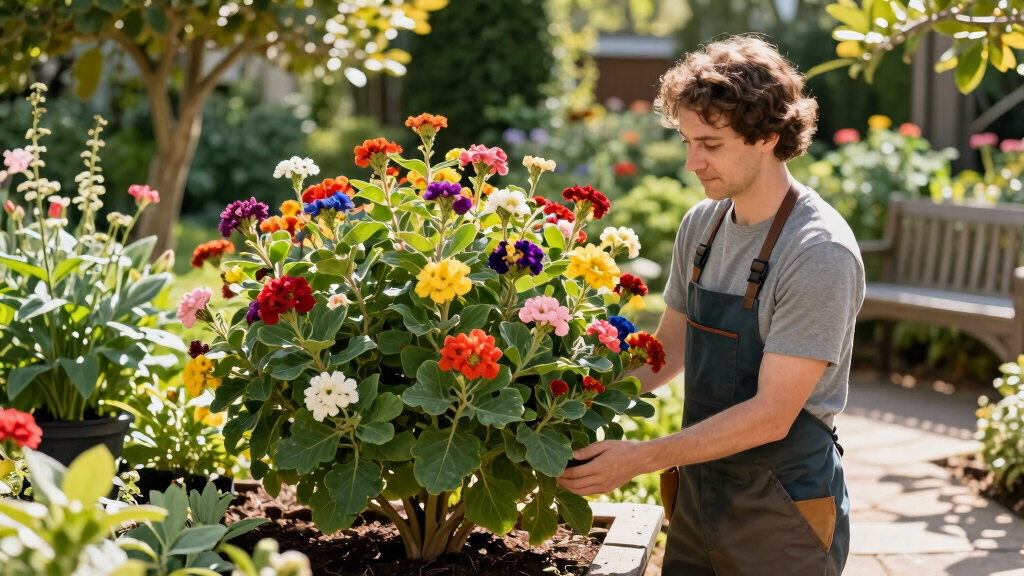
Six heat-tolerant flowering shrubs are recommended for gardens facing rising summer temperatures. These plants, native to arid regions, provide vibrant blooms and require minimal water once established. Experts emphasize their importance for resilient landscaping amid climate change.
Six heat-proof flowering shrubs that thrive in hotter summer conditions have been identified by horticultural experts as ideal choices for resilient landscaping in arid and increasingly warm climates.
According to horticulturalist Noelle Johnson, plants native to arid regions such as the American Southwest, Australia, and the Mediterranean are naturally adapted to withstand prolonged heat and drought. These shrubs, including Baja fairy duster and Mexican honeysuckle, continue to bloom and maintain their vibrancy even in temperatures exceeding 100°F, making them suitable for gardens in the US facing hotter summers.
Experts recommend selecting drought-tolerant plants with open, less flammable branching to reduce fire risk. These plants require minimal watering after establishment, making them practical for water-wise gardening. The list includes varieties like Baja fairy duster, Mexican honeysuckle, and others noted for their resilience and ornamental value.
Why Heat-Resistant Shrubs Are Essential for Modern Gardens
As climate change causes rising summer temperatures, traditional garden plants often struggle or require excessive watering. The identified heat-proof flowering shrubs provide sustainable, low-maintenance options that can withstand extreme heat, helping gardeners maintain vibrant landscapes while conserving water and reducing fire hazards.
These plants support local ecosystems by attracting pollinators like butterflies and hummingbirds, contributing to biodiversity and ecological health in urban and rural settings. Their ability to bloom continuously in high temperatures also extends the aesthetic appeal of gardens during peak summer months.
Products Worth Considering

Orbit B-hyve XR 8-Zone Indoor/Outdoor Smart Sprinkler Controller

Orbit B-hyve Smart Indoor/Outdoor 12-Zone Sprinkler Controller

8-Pack 6ft x 2ft Twin-Wall Polycarbonate Greenhouse Panels (6mm)
As an affiliate, we earn on qualifying purchases.
Background on Heat-Resilient Gardening Strategies
With rising global temperatures, landscape designers and homeowners are increasingly prioritizing drought-tolerant, heat-resistant plants. Native plants from arid regions have evolved adaptations such as small leaves, thick coatings, and deep root systems, enabling them to survive in harsh conditions. Experts like Noelle Johnson and others have long promoted these species for sustainable landscaping, especially in drought-prone areas.
Recent climate data indicates that summer temperatures in many parts of the US are surpassing 100°F more frequently, heightening the need for resilient plant choices. The selection of flowering shrubs that can withstand these conditions is part of a broader movement toward fire-safe, water-wise gardening.
“Plants native to arid regions are naturally adapted to withstand prolonged heat and drought, making them ideal for resilient, low-maintenance gardens.”
— Noelle Johnson
Unanswered Questions About Long-Term Performance
While these shrubs are proven to tolerate high temperatures and drought, long-term performance data under extreme climate conditions remain limited. It is unclear how they will fare with prolonged heat waves or changing soil conditions over decades.
Further research is needed to assess their resilience in different geographic regions and under varying environmental stresses.
Next Steps for Gardeners and Landscape Professionals
Gardeners should consider planting these heat-resistant shrubs as part of their summer landscaping plans. Local nurseries are expected to expand availability of these species, and ongoing research may identify additional resilient varieties.
Experts recommend monitoring plant health closely during extreme heat events and adjusting watering practices accordingly. Future studies will likely provide more detailed guidelines for optimizing these plants’ performance in diverse climates.
Key Questions
Are these heat-proof shrubs suitable for all regions?
They are best suited for arid and semi-arid climates similar to their native habitats. Gardeners in cooler or wetter regions should consult local experts for suitability.
What maintenance do these shrubs require?
Once established, these drought-tolerant shrubs need minimal watering and pruning. Regular monitoring for pests and diseases is still recommended.
Can these plants attract pollinators?
Yes, many of these shrubs, such as Baja fairy duster and Mexican honeysuckle, produce vibrant flowers that attract butterflies, hummingbirds, and other pollinators.
Are these plants safe for children and pets?
Most of these native desert plants are non-toxic, but it is advisable to check specific species for any potential hazards before planting in areas with children or pets.
Source: Homes & Gardens