TL;DR
A Gardening Know How guide identifies five September tasks for hosta growers: dividing large clumps, removing damaged foliage, continuing deep watering, managing slugs and snails, and letting plants go dormant naturally. The common thread is supporting energy storage before winter rather than heavy pruning.
Gardeners growing hostas have a short window before the end of September to complete five seasonal tasks that, according to Gardening Know How, determine how well the plants survive winter and return next spring. The guidance — dividing overgrown clumps, cleaning up damaged foliage, continuing to water, managing slugs and snails, and allowing natural dormancy — centers on one principle: hostas are storing energy now, and fall care should support that process rather than interrupt it.

Get garden gear delivered free with Prime
- Fast, free delivery on millions of items
- Prime Video, Amazon Music and more included
- Member-only deals all year
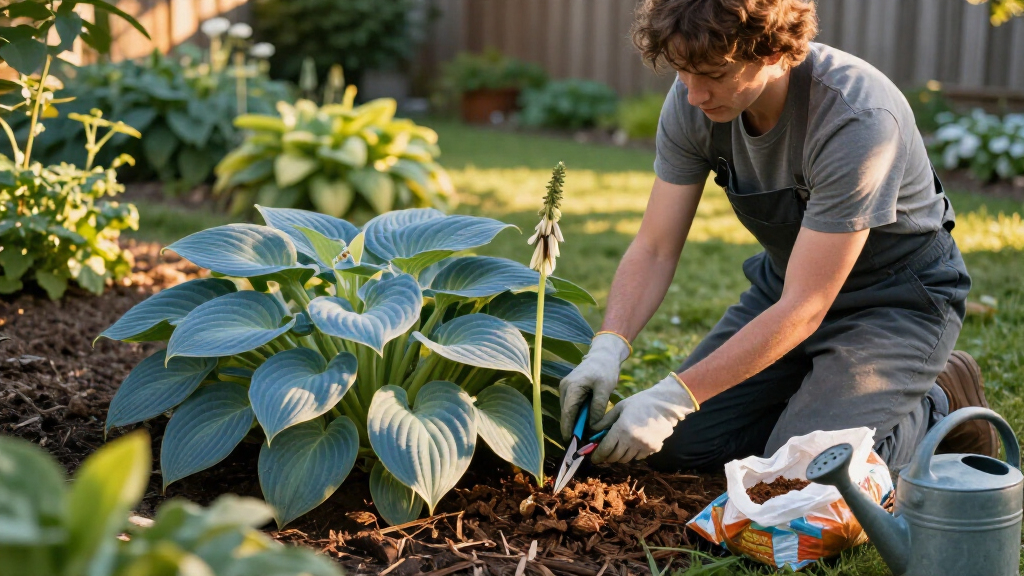
The first task is dividing and transplanting. According to the guide, hostas do not need dividing every year, but September offers warm soil and gentler temperatures in most regions, giving transplants time to establish before winter. The recommended method is to dig up large clumps, cut through the roots with a sharp, clean garden knife, and replant each division — which should include healthy roots and a portion of the crown with stems — at the same depth as the parent plant. Transplants should then be watered regularly until dormancy.
Second, the guide advises tidying foliage selectively rather than cutting plants back fully. Healthy green leaves should be left alone because they are still photosynthesizing and storing energy for next year. Yellowed, pest-damaged or diseased leaves should be removed, since according to the report, pests and infectious agents overwinter in that foliage. Damaged leaves can be composted; diseased material should go to yard waste. Leaves should not be left around plant bases, where the guide says they can harbor pests, fungal spores and nematodes.
Third, watering should continue as needed. The guide notes that hostas, which have large foliage and prefer consistently moist soil, benefit from adequate moisture heading into winter. It recommends checking the soil and watering deeply when the top one to two inches feel dry, applying water at the soil line to keep leaves dry, and watering deeply but less often rather than shallowly every day. Fourth, gardeners should stay vigilant for slugs and snails, which the report says become more active in early fall as weather cools. Recommended controls include clearing debris around plants, handpicking pests, and using slug and snail bait around vulnerable plants, always following label directions. Finally, the guide says foliage should not be trimmed until it is mostly yellow, brown and wilted after the first hard frost — dormancy should be allowed to proceed naturally.
Why Late-September Care Shapes Next Spring
Hostas are among the most widely grown shade perennials, and their spring performance depends heavily on energy stored during the previous fall. According to the Gardening Know How report, green foliage still actively photosynthesizing in September is fueling root health through winter, which is why premature cutting back is discouraged. The guide frames fall care as a low-effort, high-return investment: a handful of chores now — division, selective cleanup, watering and pest control — translates into healthier new growth next year. For gardeners with mature, overgrown clumps, September is also presented as the preferred window for division, since milder temperatures and typically more frequent rain reduce transplant stress compared with midsummer moves.
Products Worth Considering

Orbit B-hyve XD 4-Port Smart Hose Watering Timer with Wi-Fi Hub

EGO POWER+ LB7654 56V Cordless Leaf Blower with 5.0Ah Battery

HOOYEAH 6 x 6 ft Polycarbonate Walk-In Greenhouse
As an affiliate, we earn on qualifying purchases.
Hostas and the Seasonal Dormancy Cycle
Hostas are herbaceous perennials hardy in cold climates, meaning their foliage dies back each winter and regrows from the crown in spring. The Gardening Know How guide emphasizes that the yellowing and collapse of leaves in fall is a normal part of this cycle, not a sign of disease, and that foliage typically collapses entirely after the first hard frost. The report also positions hostas as easy-to-grow plants, a key reason for their popularity, and notes that a slightly messy appearance in autumn is expected — the stated goal is supporting the plants, not keeping them looking perfect until winter.
“In most places, September gives transplants enough warm weather and warm soil to get established before winter.”
— Gardening Know How
Timing Varies by Region and Weather
The guidance is general and timing is not universal. The report itself qualifies its division advice with “in most places,” acknowledging that September conditions differ by climate zone — gardeners in areas with early frosts or very warm autumns may need to adjust. The guide does not specify exact dates for any task, and the proper moment to trim back dead foliage depends on when the first hard frost arrives, which varies year to year. It also does not address region-specific pest pressures or soil conditions, so the advice may need adapting to local circumstances.
From First Frost to Spring Regrowth
After the first hard frost, the remaining foliage will yellow, brown and collapse; at that point, according to the guide, gardeners can trim it back and dispose of it — composting it only if it shows no signs of disease. Foliage should not be left on the ground over winter. Beyond that, the care calendar goes quiet: hostas remain dormant through winter and, with the energy stored during fall, produce new growth in spring. Gardeners who divided clumps in September can expect the new divisions to establish over the coming months and emerge alongside mature plants next year.
Key Questions
Should I cut my hostas all the way back in September?
No. According to Gardening Know How, healthy green leaves are still photosynthesizing and storing energy for next year. Only yellowed, pest-damaged or diseased foliage should be removed. Full cutback waits until foliage is mostly yellow, brown and wilted after the first hard frost.
Do hostas need to be divided every year?
No. The guide states division is not required annually, but if clumps have become large and overgrown, September is a good time because warm soil and milder temperatures help transplants establish before winter.
How should I water hostas in the fall?
Check the soil and water deeply when the top one to two inches feel dry, applying water at the soil line to avoid wetting leaves. Deep, less frequent watering is preferred over shallow daily watering.
Why are slugs still a problem in fall?
According to the report, slugs and snails become more active in early fall as temperatures cool. Signs include holes in leaves and slime trails. Recommended controls are clearing debris, handpicking, and slug and snail bait used according to label directions.
Is it normal for hosta leaves to turn yellow in September?
Yes. Yellowing and deterioration of foliage at this time of year is part of the natural dormancy process, and foliage typically collapses fully after the first hard frost. The guide advises letting this happen rather than trimming early.
Source: rss