TL;DR

Get garden gear delivered free with Prime
- Fast, free delivery on millions of items
- Prime Video, Amazon Music and more included
- Member-only deals all year
In June, tomato growers should support vining varieties, prune side shoots, feed plants during flowering, water consistently, and protect from heat. These tasks help ensure a larger, juicier harvest.
Tomato growers should perform five key tasks in June to promote healthy, productive plants, according to gardening experts. These steps, including staking, pruning, fertilizing, watering, and protecting from heat, are confirmed as essential for maximizing tomato yields during early summer.
Support vining tomato varieties by staking or tying plants once they reach 10-12 inches, using soft ties to avoid damage, as recommended by Halina Shamshur, a horticultural expert. Removing side shoots, or suckers, helps redirect energy toward flowering and fruiting, and also reduces disease risk by improving airflow. Fertilizing with high-potassium and phosphorus formulas during flowering encourages fruit development, but nitrogen should be avoided to prevent excessive foliage growth.
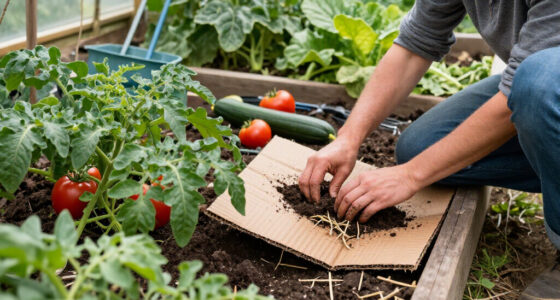
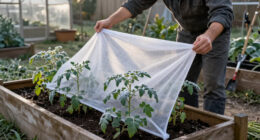
Consistent watering is crucial; plants should be kept moist but not waterlogged, especially during hot weather. Experts advise watering at the base and using soil moisture meters to prevent overwatering or underwatering. Additionally, protecting plants from extreme heat by shading or mulching can prevent scorching, which can damage the plants and reduce yields.
Why June Care Is Critical for Tomato Success
Proper care in June directly impacts the size, juiciness, and overall yield of tomatoes. Implementing these tasks helps prevent common problems like disease, poor fruit set, or plant stress, ensuring a more abundant harvest. For home gardeners, following expert advice now can lead to a more satisfying and productive growing season.
Products Worth Considering

Greenworks 48V Brushless 3-in-1 Leaf Blower, Vacuum, and Mulcher with Two 4.0Ah Batteries

Orbit B-hyve XR Smart Indoor/Outdoor Sprinkler Controller, 16 Zones

Weber Searwood 600 Wood Pellet Smoker Grill, Black
As an affiliate, we earn on qualifying purchases.
June Gardening Tasks for Tomato Plants
Tomatoes are among the most popular vegetables to grow for home gardeners, valued for their ease and productivity. In early summer, the focus shifts to supporting growth and encouraging flowering. Experts recommend staking vining varieties, pruning to remove suckers, and fertilizing during flowering. These practices align with traditional tomato cultivation timelines, which aim to maximize fruit production during peak season.
Uncertain Factors Affecting June Tomato Care
While these tasks are widely recommended, specific needs may vary depending on local climate, tomato variety, and planting time. The exact timing for pruning and fertilizing can differ based on plant development stages, and weather patterns such as unexpected heatwaves or heavy rainfall may alter care routines. Ongoing weather fluctuations and individual garden conditions mean some advice may need adjustment.
Next Steps for Maintaining Tomato Health Throughout Summer
After completing June tasks, gardeners should monitor plant health regularly, adjust watering based on weather, and continue supporting growth. As flowers develop into fruit, additional fertilization may be needed, and pest or disease control should be maintained. Preparing for late summer harvests involves ongoing care, including protecting plants from extreme heat and pests, and possibly staking or caging for larger fruits.
Key Questions
When should I start supporting my tomato plants?
Support should begin once seedlings reach about 10-12 inches tall, typically in early June, to prevent flopping and promote healthy growth.
How often should I fertilize my tomato plants in June?
Fertilize once a week during flowering with a high-potassium and phosphorus fertilizer, avoiding nitrogen-rich formulas to encourage fruiting.
What are the best ways to protect tomatoes from heat stress?
Use shading, mulching, or temporary shade cloths during heatwaves to prevent scorching and maintain optimal temperature for fruit development.
How can I tell if my tomato plants need more water?
Use a soil moisture meter or check soil moisture manually; keep soil consistently moist but not waterlogged, especially during hot, dry weather.
Is it necessary to prune all side shoots in June?
No, only remove the smaller suckers between the main stem and branches to redirect energy toward flowering and fruiting. Not all side shoots need removal, but regular pruning improves airflow and plant health.
Source: Homes & Gardens