To reduce fuel waste in outdoor cooking, choose eco-friendly cookware like cast iron or ceramic that retains heat well. Use lids to trap heat and plan your cooking to use residual warmth. select appropriately sized cookware to avoid unnecessary heating. Shield your setup from wind and keep equipment clean to maintain efficiency. Incorporating these techniques helps conserve fuel and makes your outdoor meals more sustainable; ways to improve continue below.
Key Takeaways
- Choose eco-friendly cookware like cast iron, stainless steel, or ceramic to improve heat retention and reduce fuel use.
- Use lids and plan cooking steps to utilize residual heat, cutting energy consumption by up to 50%.
- Match cookware size to the portion to prevent unnecessary fuel waste from heating excess space.
- Protect your setup from wind with shields or windbreaks to maintain steady heat and minimize fuel loss.
- Keep grilling equipment clean and well-maintained to ensure efficient heating and optimal fuel efficiency.
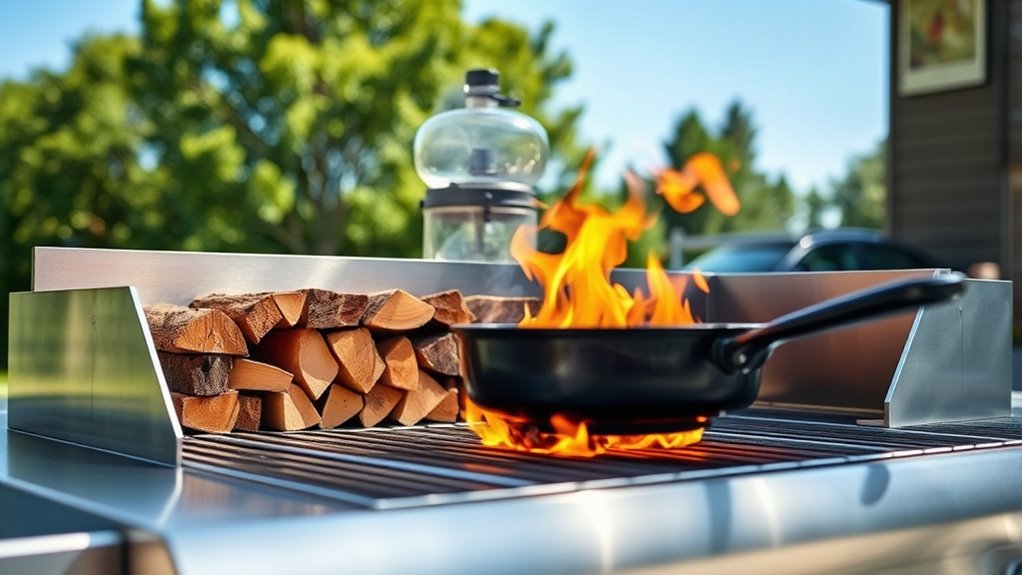
Outdoor cooking offers a great way to enjoy meals while saving energy, but it’s important to use efficient techniques to maximize that benefit. One of the most effective ways to do this is by adopting fuel saving techniques that reduce the amount of fuel you use without sacrificing the quality of your meals. Start by choosing the right cookware—eco friendly cookware can make a significant difference. Materials like cast iron, stainless steel, or ceramic are excellent options because they retain heat well and cook evenly, meaning you’ll need less fuel to reach and maintain the desired temperature. Avoid lightweight or thin pans that heat unevenly and require more fuel to compensate for cold spots.
Choose eco-friendly cookware like cast iron or ceramic to cook efficiently and save fuel outdoors.
Next, consider your cooking method. Using a lid whenever possible traps heat and speeds up cooking time, which conserves fuel. When you’re boiling or simmering, keep the lid on—this simple step can cut energy consumption by up to 50%. Additionally, plan your cooking order to make the most of residual heat. For example, after boiling pasta, turn off the heat and let the hot water sit; it will continue to cook the pasta without additional fuel. Similarly, using a small, well-fitting lid on pots and pans maximizes heat retention, reduces cooking time, and minimizes energy waste.
Another key point is to utilize the right size of cookware for your meal. Using a pot that’s too large for what you’re cooking wastes fuel as you heat unnecessary space. Conversely, a pot that’s too small may require multiple batches, increasing overall fuel use. Choose a size that matches your portion to optimize efficiency. Also, consider the weather conditions—on windy days, use windbreaks or shields to prevent heat loss, which can cause you to burn more fuel trying to keep the fire or flame steady.
Furthermore, incorporating energy-efficient techniques into your outdoor cooking routine can significantly reduce fuel consumption and environmental impact. Finally, maintain your cooking equipment properly. Keep your grill grates clean and ensure your burners or flames are functioning efficiently. Dirty or clogged components can cause uneven heating and increase fuel consumption. By integrating these fuel saving techniques with eco friendly cookware, you’ll not only cut down on fuel waste but also enjoy a greener outdoor cooking experience. It’s about being mindful of your resource use while still creating delicious meals outdoors. With these strategies, you’ll maximize every bit of fuel you use, making outdoor cooking more sustainable and cost-effective.

8 Piece Pre-Seasoned Dutch Oven Cooking Set Cast Iron Camping Kitchen Cookware Bakeware Skillets & Square Grill Pan w/Vintage Carrying Wood Box for Ourdoor Home BBQ Baking
【Lifetime Durability】Dutch oven,well known as a lifetime pot,it is made of high-quality cast iron which makes it robust…
As an affiliate, we earn on qualifying purchases.
As an affiliate, we earn on qualifying purchases.
Frequently Asked Questions
What Are the Best Fuels for Outdoor Cooking Efficiency?
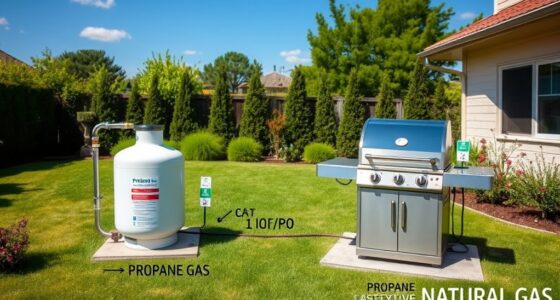
You should choose fuel types like propane and natural gas for outdoor cooking efficiency, as they burn clean and heat quickly. Charcoal can work well, but it takes longer to ignite and produces more waste. Consider your cooking methods—gas grills are ideal for quick, precise heat, while charcoal offers a smoky flavor for slower, traditional methods. Opt for fuels that match your style to minimize waste and maximize efficiency.
How Can I Measure Outdoor Cooking Energy Consumption?
You can measure outdoor cooking energy consumption by using an energy consumption monitor attached to your cooking appliance. Think of it as a fitness tracker for your grill or stove, giving you real-time data on efficiency. By tracking how much fuel is used during each session, you can identify ways to improve your appliance’s efficiency and reduce waste, making outdoor cooking both eco-friendly and cost-effective.
Are There Eco-Friendly Outdoor Cooking Equipment Options?
Yes, you can choose eco-friendly outdoor cooking equipment like biodegradable cookware and solar-powered grills. Biodegradable cookware minimizes plastic waste, making cleanup more sustainable. Solar-powered grills harness sunlight, reducing reliance on traditional fuels and lowering your carbon footprint. These options help you enjoy outdoor cooking responsibly while reducing environmental impact, making your outdoor culinary adventures more eco-conscious and sustainable.
How Does Weather Affect Outdoor Cooking Fuel Efficiency?
Wind impact and temperature effects definitely influence your outdoor cooking fuel efficiency. Wind can cause your flame to flicker or go out, forcing you to use more fuel to maintain heat. Lower temperatures can slow cooking times, making you burn more fuel overall. To improve efficiency, shield your grill from wind with a windbreak, and cook during warmer parts of the day when possible. This way, you save fuel and cook more effectively.
What Safety Tips Maximize Fuel Conservation Outdoors?
To maximize fuel conservation outdoors, prioritize fire safety by keeping a fire extinguisher nearby and never leaving your grill unattended. Guarantee proper ventilation to prevent dangerous buildup of fumes, especially if using gas or charcoal. Use a well-maintained grill and avoid overloading it, which wastes fuel. Also, keep a safe distance from structures and flammable materials. These safety tips help protect you while making your outdoor cooking more efficient.

Astercook Non Stick RV Pots and Pans Ceramic Kitchen Cookware Set with Detachable/Removable Handle, Oven Safe, Induction Ready, Stackable, Black, 21 pcs
【High-Performance Nonstick Coating】 Equipped with a premium nonstick coating, our pots and pans offer exceptional durability and performance….
As an affiliate, we earn on qualifying purchases.
As an affiliate, we earn on qualifying purchases.
Conclusion
By adopting simple energy-efficient outdoor cooking tips, you can save fuel, money, and protect the environment. Some might think it’s not worth the effort, but imagine the satisfaction of knowing you’re reducing waste and making a positive impact. Every small change counts, and your mindful choices can inspire others to cook smarter too. Don’t let skepticism hold you back—your actions can make a real difference for a greener, more sustainable future.

SEADESKY Camping Stove Windscreen 16 Plates Folding Outdoor Stove Windshield Camp Stove Wind Screen Aluminium Alloy Windshield for Butane Burner Grill Wind Blocker Shield
[Large Size]- Unfold camping stove windscreen size: 9.44 x 52.7 inch/24 x 134 cm, fold stove windscreen size:…
As an affiliate, we earn on qualifying purchases.
As an affiliate, we earn on qualifying purchases.
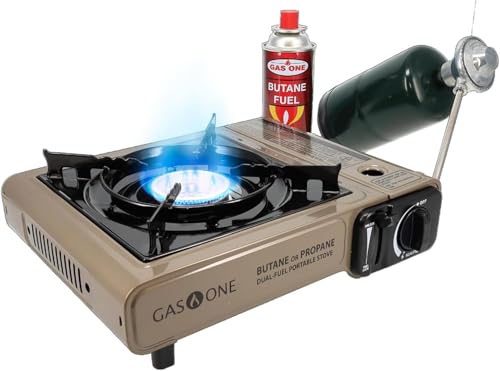
Gas One GS-3400P Propane or Butane Stove Dual Fuel Stove Portable Camping Stove – Patented – with Carrying Case Great for Emergency Preparedness Kit
Duel Fuel – Compatible With Both Butane (Fuel Not Included) And Propane Fuel (Fuel Not Included), Operates On…
As an affiliate, we earn on qualifying purchases.
As an affiliate, we earn on qualifying purchases.