
BTU numbers show how much heat an appliance can produce, but they don’t tell the full story about its performance or efficiency. A high BTU doesn’t guarantee better heating, especially if the appliance isn’t the right size for your space or has poor design. Energy use, technology, and insulation also matter. To make smarter choices, you need to take into account more than just BTU ratings—keep exploring to find out what really impacts performance.
Key Takeaways
- BTU measures heat output but doesn’t account for energy efficiency or overall appliance performance.
- High BTU doesn’t guarantee better performance; proper sizing for room size is essential.
- Design features and technology can significantly influence real-world efficiency beyond BTU ratings.
- Overpowered or underpowered units can lead to energy waste or inadequate heating.
- Considering efficiency ratings and technological advancements provides a more complete understanding of performance.
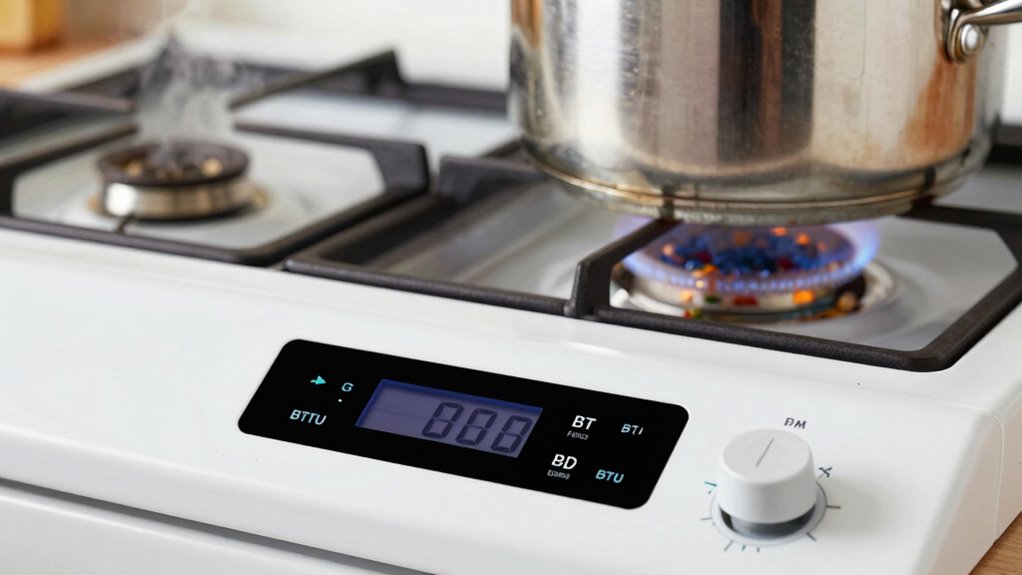
Have you ever wondered what those BTU numbers on appliances really mean? Many people see a high number and assume it automatically indicates better performance, but that’s not always the case. BTU, or British Thermal Units, measure the heat output or heating capacity of an appliance. On paper, a higher BTU suggests more power, but it doesn’t tell you everything about how well the appliance will perform in your space or how energy-efficient it truly is.
While a higher BTU can mean increased heating capacity, it’s essential to consider energy efficiency. An appliance with a large BTU rating might produce lots of heat, but it could also consume more energy, leading to higher utility bills. Conversely, some appliances are designed to deliver the same heating capacity with less energy, making them more cost-effective and environmentally friendly. So, focusing solely on BTU numbers can be misleading if you’re trying to find an energy-efficient solution or want to optimize your energy usage.
Higher BTU doesn’t always mean better energy efficiency or lower costs. Consider design and usage for smarter choices.
Moreover, the size of your space plays a critical role. An appliance with a high BTU might be overkill for a small room, causing it to cycle on and off frequently, which can wear out the unit faster and waste energy. On the other hand, a unit with insufficient BTU won’t adequately heat your space, leaving you uncomfortable. It’s essential to match the heating capacity of the appliance with your room’s size and insulation quality. Doing so ensures you get the right balance between energy efficiency and effective heating, without overspending or wasting resources. Proper appliance sizing can significantly impact both performance and energy consumption.
Another point to think about is how the appliance’s design and technology influence its actual performance. Some modern units incorporate smart features, variable speeds, or energy-saving modes that improve overall efficiency, regardless of their BTU rating. These factors can greatly impact how well the appliance performs in real-world conditions, beyond what the number on the label suggests. Additionally, understanding appliance efficiency can help you make more informed decisions that align with your budget and environmental goals.
In essence, while BTU numbers give a helpful starting point, they don’t tell the whole story. To make smart choices, you need to look beyond the number and consider energy efficiency, your space’s specific needs, and the appliance’s design features. Incorporating proper sizing and efficiency ratings can ensure you select a heating solution that’s both effective and economical, rather than just relying on the raw power indicated by the BTU rating. Recognizing that energy consumption varies based on multiple factors can help you choose appliances that truly meet your needs without unnecessary waste. Additionally, understanding how technology advancements influence performance can lead to better long-term satisfaction with your appliance choice.

DREO Space Heater, Portable Electric Heaters for Indoor Use with Thermostat and Remote, 2024 Upgraded, Digital Display, 12H Timer, 5 Mode, 1500W PTC Ceramic Fast Safety Heat for Office Bedroom Home
Powerful heat that fits everywhere: DREO space heaters for indoor combines Hyperamics 1500W advanced PTC system with a…
As an affiliate, we earn on qualifying purchases.
As an affiliate, we earn on qualifying purchases.
Frequently Asked Questions
How Do BTU Ratings Vary Between Different Heating Appliances?
BTU ratings vary considerably between heating appliances because they reflect different sizes and efficiencies. You might find a high-BTU heater that’s less energy-efficient, leading to higher energy costs. For better energy conservation and cost efficiency, look beyond BTU numbers and consider how well the appliance matches your space and insulation. Proper sizing and efficient technology ensure you heat effectively without wasting energy, saving you money in the long run.
Can Two Appliances With the Same BTU Output Perform Differently?
Imagine two space heaters with identical BTU ratings; one heats evenly and efficiently, while the other wastes energy. You’ll see differences in performance due to energy efficiency, not just BTU output. So, even with the same BTU, appliances perform differently, affecting your energy consumption and cost comparison. Always look beyond BTU numbers to find the most efficient option for your needs.
Do Higher BTU Numbers Always Mean Better Heating?
Higher BTU numbers don’t always mean better heating because fuel efficiency and energy consumption matter too. A more powerful heater might use more fuel, making it less efficient and costlier to operate. You should consider the appliance’s efficiency rating and how much energy it consumes relative to its heating output. Sometimes, a lower BTU unit with higher efficiency can heat your space better and save you money in the long run.
How Does Insulation Affect Heating Efficiency Beyond BTU Ratings?
Insulation profoundly impacts heating efficiency beyond BTU ratings by enhancing heat retention. When your space is well-insulated, less heat escapes, making your heating system work less and saving energy. This insulation impact means even a lower BTU unit can effectively warm your home if it’s properly insulated. Conversely, poor insulation causes heat loss, forcing your heater to run more often, regardless of its BTU capacity.
Are There Other Important Factors Besides BTU in Heating Performance?
You need to look beyond BTU numbers because heating performance depends on more than just power. Factors like energy consumption impact how efficiently your heater runs, saving you money in the long run. Installation requirements also matter; improper setup can waste energy or reduce effectiveness. Think of it like tuning a musical instrument—you need the right fit and proper setup for maximum sound, or in this case, warm comfort.
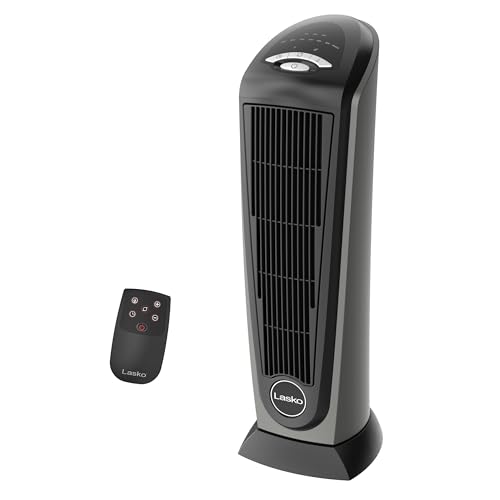
Lasko 1500W Ceramic Tower Space Heater with Remote, Thermostat, Timer & Widespread Oscillation, Portable Electric Heater for Indoor Use, Bedroom & Living Room, 751320
POWERFUL CERAMIC HEATING: 1500-watt ceramic heating element delivers fast, effective warmth for bedrooms, living rooms, offices, and more—an…
As an affiliate, we earn on qualifying purchases.
As an affiliate, we earn on qualifying purchases.
Conclusion
Remember, BTU numbers provide a basic blueprint, but they don’t tell the full story. To truly understand heating and cooling, look beyond the labels and listen to the specifics. Don’t just depend on the numbers; discern the details, and you’ll make smarter, more satisfying choices. By balancing brawny BTUs with better building design and diligent maintenance, you’ll create a cozy, cost-effective climate that’s perfectly personalized for your space.

ecobee Smart Thermostat Essential – Energy Star Certified programmable Wi-Fi Thermostat – Works with Siri, Alexa, and Google Assistant
Save up to 23% every year on heating and cooling costs, adjusts to your set schedule to save…
As an affiliate, we earn on qualifying purchases.
As an affiliate, we earn on qualifying purchases.

Della Omi Edge 38,500 BTU Inverter Pool Heat Pump up to 13,000 Gallons (Real Outdoor Tested), for Above Ground & Inground Pool, High Efficiency Heater, 220-240V Smart WiFi, Residential & Commercial
All-Year Pool Comfort: Break free from limited swim seasons with our DELLA heat pump pool heater! It works…
As an affiliate, we earn on qualifying purchases.
As an affiliate, we earn on qualifying purchases.