TL;DR
A Country Living report describes five uses for plain, untreated cardboard in the garden: weed suppression, soil-bed preparation, paths, compost and collars around brassicas. Experts quoted in the report advise removing tape and staples, avoiding coated or contaminated boxes, and keeping cardboard clear of plant stems and tree trunks.
Country Living has outlined five ways gardeners can reuse plain cardboard, including covering weeds, forming paths, adding carbon-rich material to compost and making collars for brassica plants. The report says cardboard choice and preparation matter: remove tape, labels and staples, and avoid glossy, waxed, laminated or contaminated packaging.

Get garden gear delivered free with Prime
- Fast, free delivery on millions of items
- Prime Video, Amazon Music and more included
- Member-only deals all year
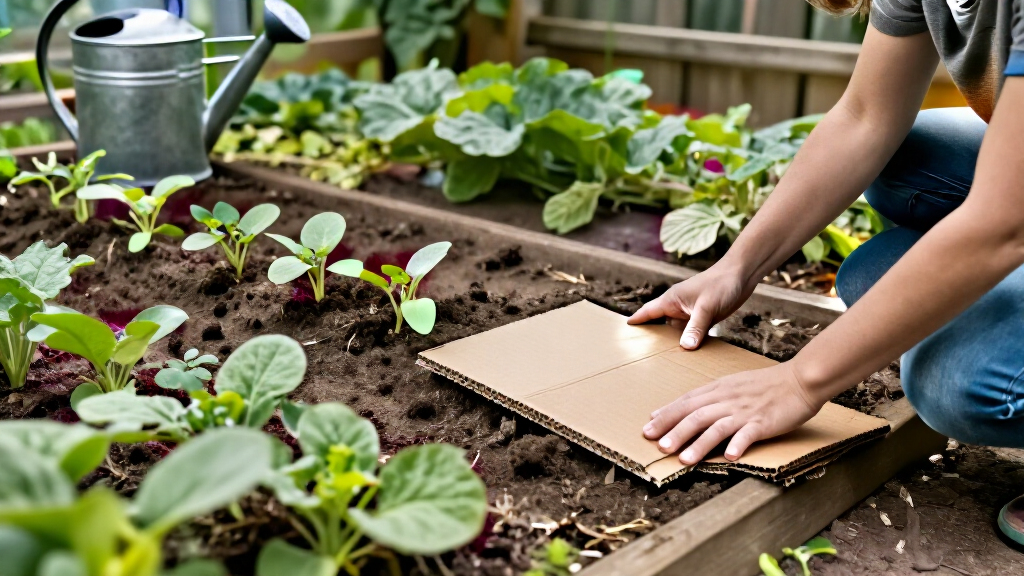
For weed suppression and new-bed preparation, the report recommends removing large weeds, stones and thick stems, then laying overlapping pieces of plain brown cardboard directly on the soil. Water the sheets so they stay in place, and cover them with compost, shredded leaves, bark or another organic mulch. Loren Taylor, owner of Outdoor Fountains Pro, says autumn can give the material time to soften before spring, though the source does not provide a measured breakdown time.
Cardboard can also be laid where a garden path is planned, with woodchip or bark on top. For composting, it can line mesh or pallet-sided heaps to keep material from falling through gaps; crumpled or shredded cardboard can serve as a “browns” ingredient alongside green materials. The report also describes cutting a 6- to 8-inch-wide collar around a brassica plant to help deter cabbage root fly, with stones used to hold it down in windy spots.
Tom Schott, managing director of Schott Packaging, advises using boxes with minimal printing and removing tape, labels and other packaging. Schott cautions against glossy, laminated, waxed or heavily coated cardboard because it may not break down like ordinary cardboard. Taylor warns against piling it against trunks or stems and says a few overlapping sheets are generally preferable to a thick stack, which can slow water movement and take longer to decompose.
Where Cardboard Can Replace Materials
These methods offer gardeners a way to reuse some clean packaging rather than discard it, while putting it to work in several routine tasks. As a ground covering, cardboard can block light from weeds; in paths, it sits beneath a layer of woodchip or bark; in compost, it adds a dry, carbon-containing material. The report presents these as practical uses, not as guaranteed results for every garden or soil type.
The advice is most relevant to people preparing empty beds or managing weeds ahead of spring planting. Choosing suitable cardboard is also a waste and garden-health consideration: material with unknown residues, oil or chemical contamination should not be put into a bed or compost heap, according to Schott’s guidance in the report.
Products Worth Considering

Solo Stove Bonfire 2.0 Smokeless Wood-Burning Fire Pit with Stand, 19.5-Inch, Silver

Blackstone 1814 17-Inch Portable Propane Gas Griddle

Husqvarna Automower 435X AWD Robotic Lawn Mower
As an affiliate, we earn on qualifying purchases.
Autumn Bed Preparation Advice
The report frames autumn as a useful period to cover empty beds: the soil may still be warm while weed growth slows, and the covering can remain in place through winter. Taylor says cardboard can soften over several months, but the source does not establish that schedule for all climates, soil conditions or cardboard types.
The five uses share a basic requirement: choose ordinary, uncoated cardboard and remove non-paper materials before placing it in the garden. The report attributes the suggestions to packaging and gardening experts, including Schott, Taylor and a contributor identified only as Stephanie; it does not cite a controlled study or quantify effects on weeds, soil health or cabbage root fly.
“A few overlapping sheets are usually enough. A heavy pile of cardboard can slow down water movement and take too long to break down.”
— Loren Taylor, owner of Outdoor Fountains Pro, as quoted by Country Living
Results Depend on Garden Conditions
The report does not specify how quickly cardboard breaks down under different weather, soil or mulch conditions, or how much weed suppression gardeners should expect. It also gives no trial data showing how reliably collars deter cabbage root fly. The suggested uses should be understood as expert guidance rather than quantified guarantees.
Country Living does not identify Stephanie by full name or provide further detail about the source of her recommendations. The supplied material also gives no publication date, so the precise timing of the report cannot be confirmed.
Check Boxes Before Reuse
Gardeners following the advice should first check that packaging is plain, uncoated and free of tape, staples, plastic and unknown contamination. Lay only a few overlapping sheets where needed, wet them, and cover them with mulch; keep the cardboard away from tree trunks and plant stems. If the box may have been exposed to oil or chemicals, Schott advises sending it through an appropriate recycling route instead.
The report does not announce a follow-up study or further guidance. Any practical outcome will depend on local conditions and on how the cardboard is used, so gardeners may need to monitor water movement, decomposition and plant growth as the season progresses.
Key Questions
What kind of cardboard is suitable for garden use?
The report recommends plain brown cardboard with minimal printing. Remove tape, labels, staples and other packaging, and avoid glossy, laminated, waxed or heavily coated boxes.
How can cardboard be used to suppress weeds?
Remove large weeds and stones, lay overlapping cardboard sheets on the soil, wet them, then cover them with compost, leaves, bark or another organic mulch.
Can cardboard go in a compost heap?
Yes, if it is suitable and free of contaminants. The report suggests using crumpled or shredded cardboard as a “browns” ingredient or lining gaps in a mesh or pallet-sided heap.
What mistakes should gardeners avoid?
Do not use cardboard with unknown oil or chemical contamination, pile it against trunks or stems, or apply a thick stack. The report says thick layers can slow water movement and take longer to break down.
Source: rss