When choosing a countertop, it’s important to know how well it withstands heat. Natural stones like granite are highly resistant, making them a good option for hot pots and pans. Quartz surfaces resist heat but can discolor or soften under extreme temperatures, so use trivets. Materials like laminate or solid surfaces have lower heat tolerance and can burn or warp easily. Concrete and stainless steel handle heat well but still benefit from protective pads. Keep exploring for more details to find the best fit.
Key Takeaways
- Granite is highly heat resistant due to its dense natural composition, making it suitable for hot cookware.
- Quartz countertops can withstand moderate heat but may soften or discolor under extreme temperatures.
- Laminate and solid surface materials have lower heat resistance, risking bubbling, melting, or warping from hot pots.
- Properly sealed concrete can handle high heat, but repeated exposure may cause cracks or expansion.
- Stainless steel countertops are highly resistant to heat transfer, offering excellent thermal durability without damage.
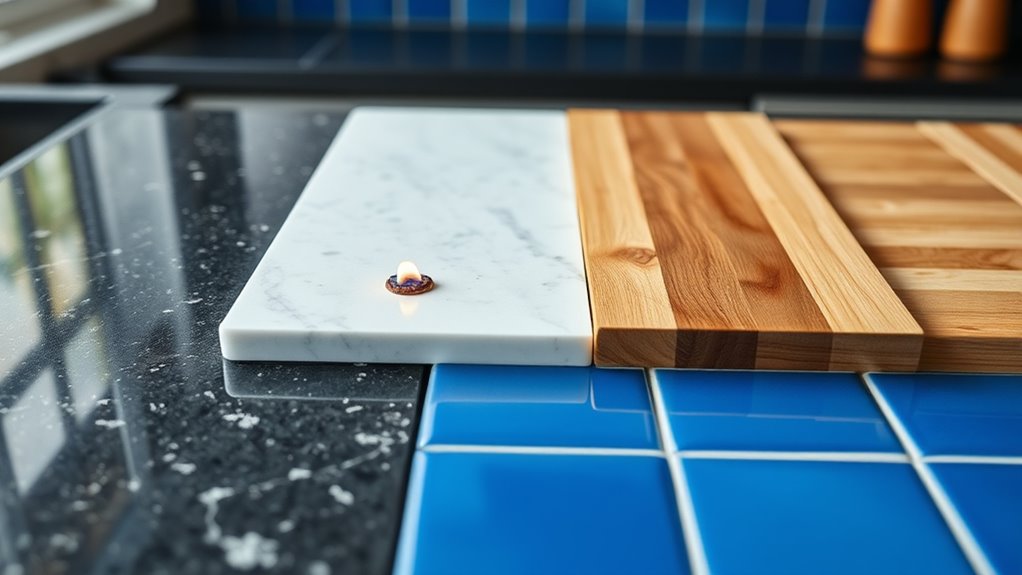
When choosing a countertop material, understanding its heat resistance is essential to prevent damage from hot pots, pans, and utensils. The way a material handles heat transfer influences how well it withstands high temperatures without warping, cracking, or discoloring. Thermal durability, or a material’s ability to endure heat over time, is a vital factor in selecting the right surface for your kitchen. By evaluating these qualities, you can ensure your countertops remain functional and attractive even with frequent exposure to heat.
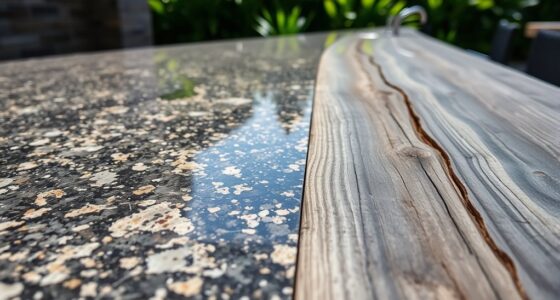
Different materials exhibit varying degrees of heat transfer. For example, natural stone surfaces like granite and quartz are known for their high thermal durability. Granite, in particular, is highly resistant to heat due to its dense composition, making it less likely to experience damage when hot items are placed directly on it. While quartz countertops are generally durable, they can be more sensitive to extreme heat because some resins used in their manufacturing may soften or discolor under high temperatures. This means you should always use trivets or hot pads to protect quartz surfaces from direct heat exposure.
Natural stone like granite resists heat well, but quartz may soften or discolor under high temperatures.
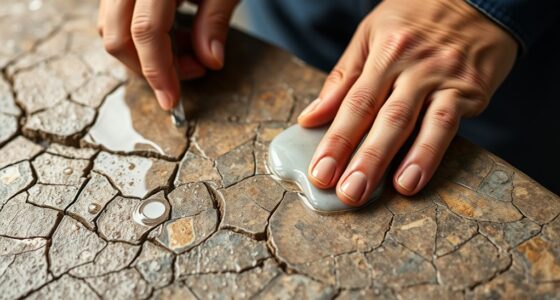
On the other hand, materials like laminate and solid surface countertops tend to have lower heat resistance. Laminate surfaces, made from layers of resin and paper, are particularly susceptible to heat transfer. Placing a hot pan directly on laminate can cause bubbling, discoloration, or even melting of the surface. Solid surfaces, such as acrylic-based materials, also have limited thermal durability. Although they can withstand some heat, prolonged exposure to high temperatures can lead to warping or surface damage. In these cases, always use heat protectors to avoid costly repairs.
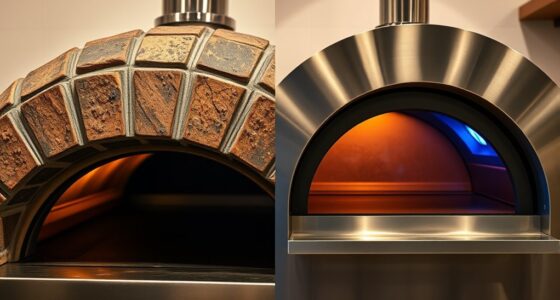
Concrete countertops offer a different perspective. When properly sealed and finished, concrete can handle high heat levels, but its thermal durability depends on the quality of installation and finishing. It’s wise to use trivets or hot pads because concrete can absorb heat, which might cause expansion or cracking over time if exposed repeatedly to extreme temperatures. Similarly, stainless steel countertops excel at resisting heat transfer. They can handle hot pots and pans without damage, making them an excellent choice for heat resistance, especially in commercial kitchens.
Frequently Asked Questions
How Does Daily Heat Exposure Affect Countertop Durability?
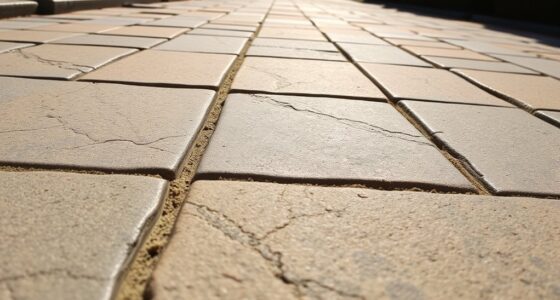
Daily heat exposure can weaken your countertop over time by causing heat transfer, which may lead to thermal expansion. This process can create cracks or warping, especially if the material isn’t heat-resistant. To protect your surface, avoid placing hot pots or pans directly on it, and use trivets or hot pads. Regularly exposing your countertop to high temperatures accelerates wear, so choosing heat-resistant materials can help maintain durability longer.
Can I Use Hot Pans Directly on All Countertop Materials?
You should avoid placing hot pans directly on all countertop materials because heat transfer can cause damage. Materials like laminate and wood are especially vulnerable to thermal expansion and scorching. Even with more heat-resistant surfaces like granite or quartz, repeated exposure can weaken the material over time. Always use trivets or hot pads to protect your countertops, preventing heat transfer from damaging their surface and ensuring longevity.
Do Certain Countertop Materials Emit Harmful Fumes When Heated?
Ever wondered if certain countertops emit harmful fumes when heated? Some materials, like laminate and certain plastics, can release fume emissions when exposed to high heat, posing health risks. To guarantee heat safety, avoid placing hot pans directly on these surfaces. Opt for heat-resistant materials like granite or quartz, which withstand heat without dangerous fumes. Always prioritize safety to protect your health and maintain a safe kitchen environment.
How Should I Care for Heat-Damaged Countertops?
To care for heat-damaged countertops, start by cleaning the area gently with mild soap and water to remove any debris or stains. Use appropriate cleaning techniques based on your material to prevent further damage. Apply protective measures like heat pads or trivets when placing hot items to avoid future harm. If damage is severe, consider consulting a professional for repair or replacement to maintain your countertop’s integrity.
Are There Any Special Precautions for Using Appliances on Different Surfaces?
You might think placing hot appliances directly on your countertop is fine, but it isn’t. Use heat resistant coatings for added protection, and always plan appliance placement carefully. Ironically, ignoring these precautions risks damaging your surface, turning your sleek countertop into a scorched canvas. Keep hot items on trivets or pads, and remember, a little foresight saves you from costly repairs and unsightly burns.
Conclusion
When choosing your countertop, remember that materials like granite and quartz can withstand heat up to 400°F, making them ideal for hot pots and pans. Did you know that over 60% of homeowners prioritize heat resistance when selecting surfaces? This highlights how vital durability is for everyday kitchen use. So, pick a material that matches your cooking habits, and enjoy a beautiful, resilient countertop that stands up to your culinary adventures!