
Using recycled and reclaimed materials in your outdoor kitchen allows you to create a unique, eco-friendly space that reflects your style. You can transform old furniture into functional pieces, incorporate recycled glass countertops, or use reclaimed bricks for backsplashes. Supporting local salvage yards and sustainable suppliers not only reduces waste but adds character and history to your design. Keep exploring to discover more ways to make your outdoor kitchen both beautiful and environmentally conscious.
Key Takeaways
- Incorporate reclaimed bricks as stylish backsplashes or siding for added texture and history.
- Use recycled glass or reclaimed wood for countertops that combine durability with eco-friendliness.
- Transform old furniture pieces into functional outdoor kitchen furniture, adding character and reducing waste.
- Source locally reclaimed materials from salvage yards to support sustainable practices and unique design elements.
- Enhance the space with salvaged steel or aluminum accents, blending industrial aesthetic with eco-consciousness.
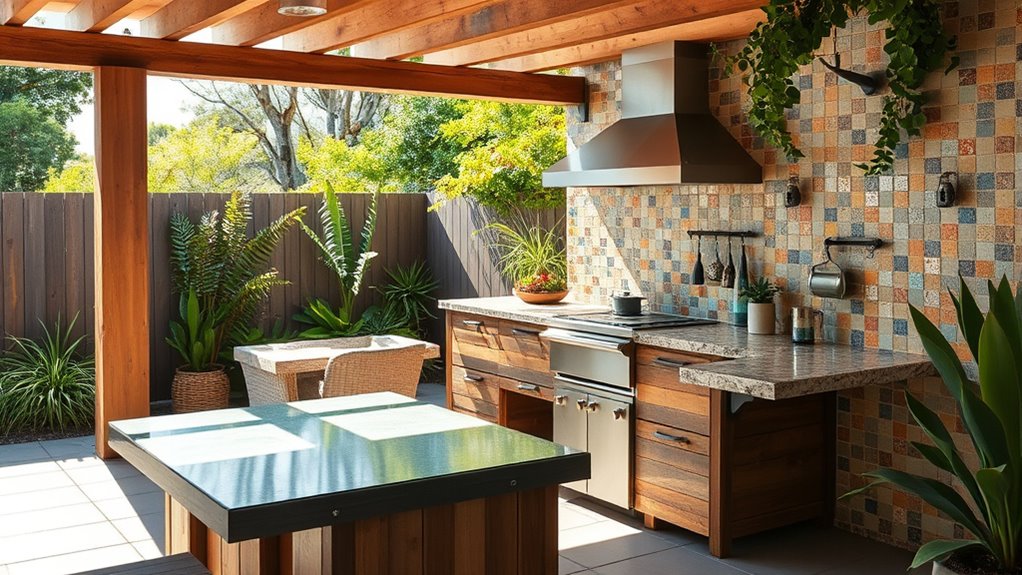
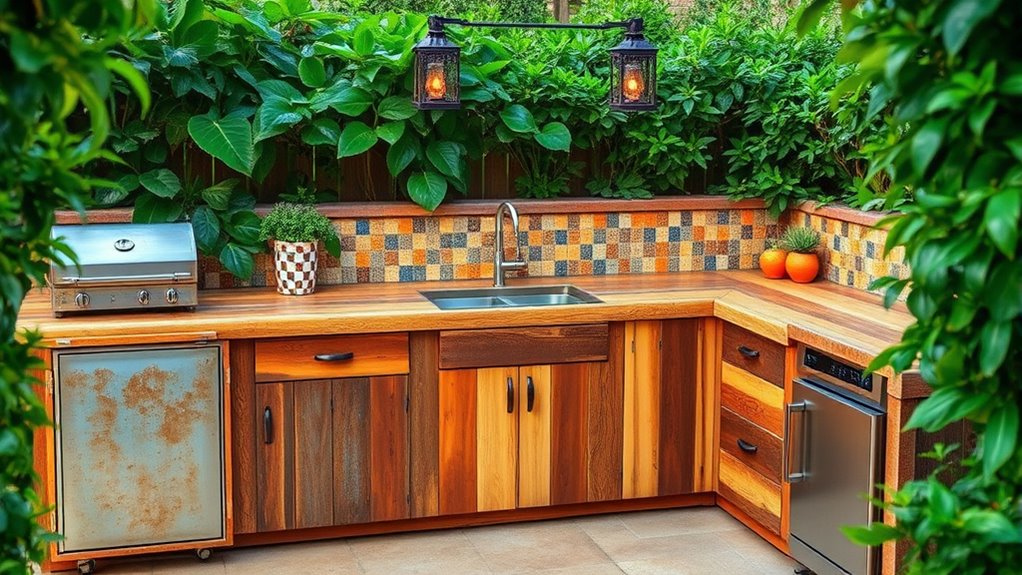
In recent years, incorporating recycled materials into outdoor kitchen design has become a popular way to combine sustainability with style. You can transform your outdoor space into a unique, eco-friendly retreat by thoughtfully selecting recycled and reclaimed elements. One effective approach is upcycling furniture, where you breathe new life into old pieces. Imagine turning vintage wooden pallets into a rustic dining table or repurposed metal chairs into stylish, weather-resistant seating. Not only does this reduce waste, but it also adds character and a sense of history to your outdoor area. Upcycled furniture offers a personalized touch that mass-produced options can’t match, making your outdoor kitchen truly one-of-a-kind.
Transform your outdoor kitchen with upcycled furniture for unique, eco-friendly charm and character.
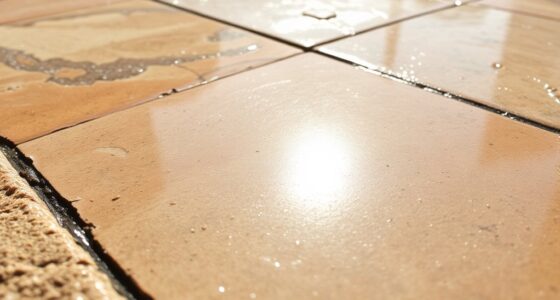
When it comes to countertops, eco-friendly options are gaining popularity. You might opt for recycled glass countertops, which incorporate broken glass pieces set in durable resin, creating a sparkling surface that’s as functional as it is beautiful. Alternatively, reclaimed wood can be used for countertops, providing a warm, natural look that complements other recycled materials. These eco-friendly countertops are not only sustainable but also durable enough to withstand outdoor elements, making them excellent choices for outdoor kitchens. They add visual interest and help you maintain a cohesive eco-conscious theme throughout your space.
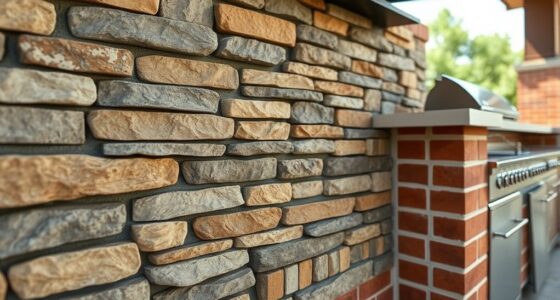
Choosing recycled materials extends beyond furniture and countertops. You can incorporate reclaimed bricks for a stylish backsplash or sidings, adding texture and history to your outdoor kitchen. Repurposed metal, such as salvaged steel or aluminum, can be used for shelving or decorative accents, contributing to an industrial aesthetic with a sustainable twist. Using these materials demonstrates your commitment to reducing waste and conserving resources while creating a functional, attractive space.
Additionally, sourcing locally reclaimed materials minimizes your carbon footprint and supports sustainable practices. Look for suppliers that specialize in recycled building materials or visit salvage yards for unique finds. This not only ensures high-quality, authentic pieces but also introduces an element of storytelling into your outdoor kitchen. Every reclaimed brick or piece of upcycled furniture carries a history, making your outdoor space more meaningful and reflective of your eco-conscious values.
Frequently Asked Questions
How Do Recycled Materials Compare in Durability to New Materials?
Recycled materials often match or even surpass new materials in durability, thanks to their quality and proper treatment, ensuring good material longevity. They also have a lower environmental impact because reusing reduces waste and resource extraction. When choosing recycled options, you can enjoy a resilient outdoor kitchen while supporting sustainability. Just make sure the recycled materials are suitable for outdoor conditions to maximize their lifespan and performance.
Are Recycled Materials Safe for Food Preparation Surfaces?
Recycled materials can be safe for food preparation if they meet food safety standards and have proper material certification. Always check for certification from reputable sources to guarantee the surface won’t transfer harmful substances. Proper sealing and maintenance are essential to prevent bacteria buildup. When you choose certified, recycled surfaces, you’re making a sustainable, safe choice that aligns with health standards, giving you confidence in your outdoor kitchen.
What Are Cost Differences Between Recycled and New Outdoor Kitchen Materials?
Recycled materials often cost less than new ones because of lower material sourcing expenses and less manufacturing. You’ll save money upfront and support environmental impact by choosing reclaimed options, which reduce waste and conserve resources. While prices vary based on availability and quality, generally, recycled outdoor kitchen materials offer a budget-friendly and eco-conscious alternative to new products. This approach helps you create a stylish space without overspending or harming the environment.
How Do Recycled Materials Withstand Weather and Outdoor Elements?
Recycled materials can withstand weather and outdoor elements quite well if properly treated. They offer good weather resistance, but you’ll need to stay on top of maintenance requirements like sealing or sealing again over time to prevent damage. Regular upkeep helps preserve their durability and appearance, ensuring your outdoor kitchen remains functional and attractive despite exposure to rain, sun, and wind. Proper installation and ongoing care are key to maximizing their longevity.
Can Recycled Materials Be Customized to Match Design Aesthetics?
Like a chameleon blending into its surroundings, recycled materials can be tailored to match your design aesthetics, offering remarkable flexibility. You can choose finishes, colors, and textures that seamlessly integrate with your outdoor space, allowing for design flexibility. This adaptability ensures your outdoor kitchen reflects your unique style, transforming sustainable choices into beautiful, personalized features that enhance your overall aesthetic.
Conclusion
By choosing recycled and reclaimed materials, you transform your outdoor kitchen into a space that’s sustainable, stylish, and unique. You create a haven where beauty meets responsibility, where durability meets creativity, and where your outdoor space becomes a reflection of your values. Every reclaimed wood, recycled stone, or repurposed fixture adds character and charm. Embrace these materials to craft a kitchen that’s not just functional but also a proof to your commitment to the planet and your personal style.