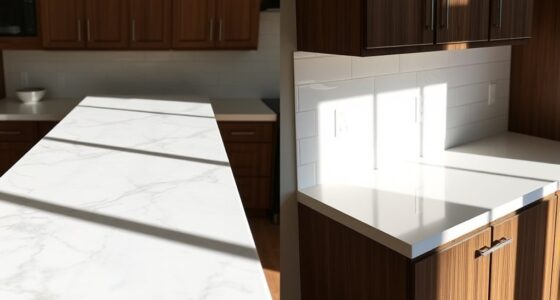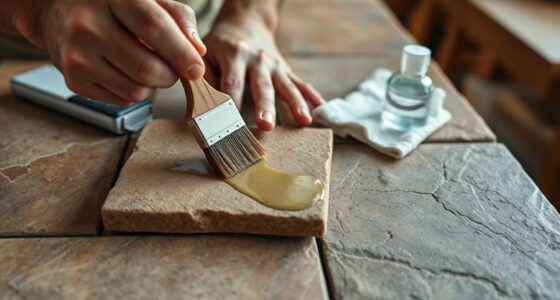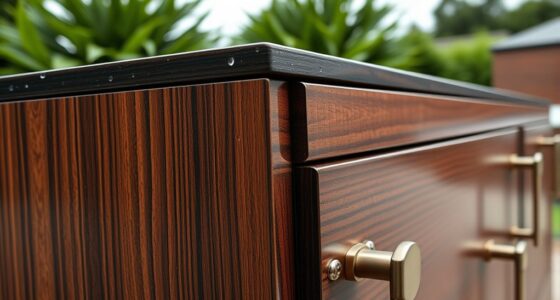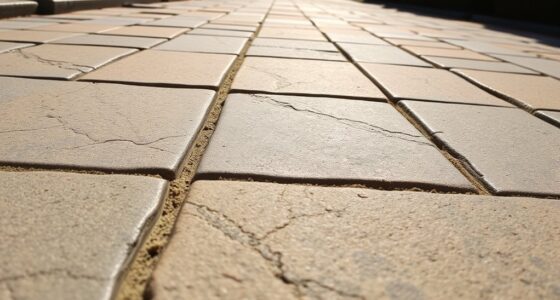

Soapstone offers a soft, natural look with a warm patina that develops over time, and it’s heat resistant, though it can scratch or chip more easily than granite or quartz. It needs regular sealing and oiling to maintain its appearance, but cleaning is simple with mild soap and water. Other niche materials like quartz require less maintenance and resist stains better, while granite and marble demand more care. Keep exploring to see tips on choosing the best material for your lifestyle.
Key Takeaways
- Soapstone is heat-resistant and easy to clean but scratches and chips can occur and are repairable with sanding and mineral oil.
- Unlike quartz, soapstone requires regular sealing and oiling to maintain its appearance and prevent stains.
- Granite and concrete are more durable but may need periodic sealing; soapstone’s natural variation develops character over time.
- Marble offers a luxurious look but demands diligent maintenance to prevent etching and staining from acids.
- Each material balances aesthetics with maintenance effort; soapstone offers natural charm with moderate upkeep.

Soapstone and other niche materials have gained popularity for their unique textures, durability, and aesthetic appeal. When you’re considering these materials for your home, understanding their care and cleaning needs is essential to keep them looking their best. Unlike more common surfaces, niche materials often require specific maintenance routines to preserve their appearance and longevity. For soapstone, gentle cleaning with mild soap and water is usually enough to maintain its surface, but it’s important to avoid harsh chemicals or abrasive scrubbers that can damage the material. Regular sealing isn’t always necessary, but applying mineral oil can enhance its natural color and patina over time, giving it a richer look. In contrast, materials like concrete or certain types of granite may need periodic sealing or resealing to prevent staining and maintain durability. Knowing how these materials compare in terms of care helps you choose the right option for your lifestyle and aesthetic preferences. Additionally, understanding the maintenance requirements of each material can help prevent costly damages and prolong their lifespan.
Material comparisons reveal differences in maintenance requirements, durability, and look. Soapstone’s soft, smooth surface makes it easy to clean and resistant to heat, but it can scratch or chip more easily than granite or quartz. If scratches occur, you can sand them out and reapply mineral oil to restore the surface. Its natural heat resistance makes soapstone popular for kitchen countertops, but you should still use trivets to protect it from hot pots. Conversely, materials like quartz are engineered for low maintenance, resisting stains and scratches without much effort, but they might lack the warmth and natural variation that soapstone offers. Marble, another niche option, boasts a luxurious appearance but requires more diligent care to avoid etching and staining from acids or spills. These differences influence how you approach care and cleaning routines. For instance, while soapstone can handle occasional oiling, it might need more frequent attention to keep its appearance pristine compared to quartz, which needs less frequent cleaning.
Ultimately, your choice among these niche materials depends on how much effort you’re willing to invest in maintenance. Soapstone’s care and cleaning are straightforward but require regular sealing to prevent staining and ensure durability. Its unique texture and ability to develop a beautiful patina over time make it a favorite for those who appreciate natural materials with character. When comparing materials, consider their resistance to scratches, stains, and heat, along with how much effort you’ll put into their upkeep. By understanding these differences, you can select the surface that aligns with your aesthetic goals and lifestyle, ensuring your investment remains beautiful and functional for years to come.
Frequently Asked Questions
How Do I Prevent Staining on Soapstone Surfaces?
To prevent staining on soapstone surfaces, you should regularly apply a sealant or stain-resistant treatment. Make sure to clean spills immediately with mild soap and water, avoiding harsh chemicals. Reapply the sealant every few years to maintain its protective layer. Additionally, use cutting boards and trivets to prevent scratches and stains, and avoid placing acidic or staining substances directly on the surface. Proper maintenance keeps your soapstone looking great.
Can Niche Materials Be Recycled or Sustainably Sourced?
Niche materials can often be recycled or sustainably sourced, but it varies by type. You should investigate the recycling options available in your area, as some materials like reclaimed wood or recycled glass are highly eco-friendly. Many suppliers now prioritize sustainable sourcing, ensuring materials are ethically harvested or recycled. By choosing these options, you reduce environmental impact and support eco-conscious manufacturing, making your project more sustainable from start to finish.
What Are the Best Cleaning Products for Delicate Materials?
You should use gentle cleaning products for delicate materials, avoiding harsh chemicals. Opt for mild soap and water, and use soft cloths to prevent scratches. When polishing, follow specific techniques suited to the material, and regularly apply sealing methods to protect surfaces. This approach maintains the material’s integrity and appearance, ensuring longevity. Always research recommended products and techniques to keep your delicate surfaces looking their best without damage.
How Do I Repair Chips or Scratches in Niche Materials?
To repair chips or scratches in niche materials, start by cleaning the area thoroughly. Use polishing techniques to gently buff out scratches, applying a compatible polishing compound. For chips, fill them with a color-matched epoxy or filler, then sand smooth. Once repaired, seal the surface with appropriate sealing methods to protect the repair and prevent further damage. Regular sealing helps maintain the material’s appearance and durability over time.
Are There Any Health Risks Associated With Niche Materials?
You might wonder if niche materials pose health risks, and the truth is, most are quite safe when properly sealed and maintained. While some, like certain natural stones, can emit trace elements, these risks are minimal with good material safety practices. Always guarantee proper installation and sealing, and consult material safety data sheets. By doing so, you protect yourself while enjoying the unique aesthetic niche materials bring to your space.
Conclusion
Don’t worry that soapstone or other niche materials might be high-maintenance. With proper sealing and regular care, they become durable, beautiful features in your space. Many assume these materials are fragile, but they actually withstand heat, scratches, and everyday wear better than you’d expect. So go ahead—embrace their unique charm and longevity. Once you understand their maintenance needs, you’ll see these materials can be a smart, stylish choice that lasts for years to come.