
TL;DR

Get garden gear delivered free with Prime
- Fast, free delivery on millions of items
- Prime Video, Amazon Music and more included
- Member-only deals all year
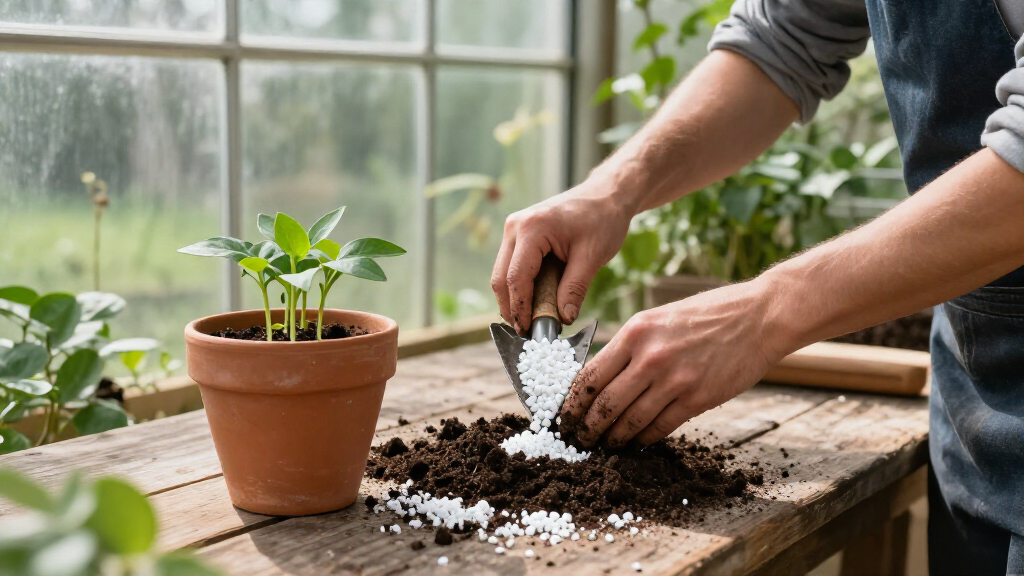
A Grow Organic guide explains that horticultural perlite is volcanic glass expanded by heat and used to add air space and improve drainage in growing media. It can help in pots, seed-starting mixes and propagation, but it is not fertilizer, cannot replace drainage holes and does not guarantee protection from root problems.
Grow Organic’s guide to perlite explains how the lightweight horticultural material is made from naturally occurring volcanic glass and used to create air space and improve drainage in potting mixes. The guide also cautions that perlite is not fertilizer, cannot substitute for pot drainage holes and does not by itself prevent root problems.
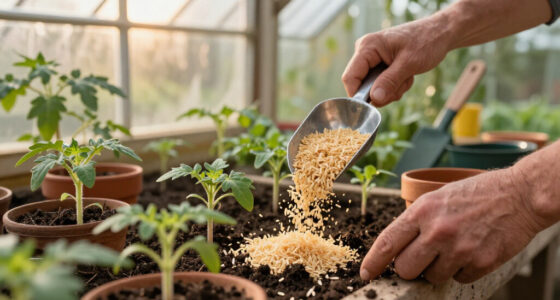
Perlite begins as volcanic glass containing a small amount of water. Manufacturers heat the raw mineral rapidly, turning that water to vapor and expanding the material into lightweight, porous particles. The processed product is used in growing media, including container mixes and some seed-starting and propagation blends. The U.S. Geological Survey identifies perlite as a naturally occurring form of volcanic glass, according to the guide.
Mixed through a growing medium, perlite particles help keep finer ingredients from packing tightly together. This can increase pore space, promote aeration and allow excess water to drain more readily. The material is low in plant nutrients and should not be treated as a fertilizer; plants still need an appropriate source of nutrients as they grow.
How much perlite to use depends on the crop and the other ingredients in the mix, so the guide does not offer one universal ratio. It recommends following a tested recipe or product directions. For containers, mix perlite throughout the medium rather than putting it in a bottom layer as a substitute for working drainage holes.
Better Drainage Has Limits
Perlite can be useful to gardeners dealing with dense container media because a mix with more air space may drain more freely and remain less compact. That can help gardeners tailor a growing medium to plants and growing methods, including container gardening, seed starting and propagation. Its lightweight structure also makes it a practical ingredient when reducing the weight of a mix matters.
But adding perlite is not a standalone fix for every wet-soil or root-health problem. The guide warns that claims it prevents root rot go too far: overwatering, poor drainage and pathogens can still cause root problems. Watering practices, the complete mix and the container’s drainage all affect results. Outdoors, the underlying cause of poor drainage—such as compaction, grading or conditions beneath a bed—may require a different remedy.
horticultural perlite for potting soil
As an affiliate, we earn on qualifying purchases.
As an affiliate, we earn on qualifying purchases.
Choosing Among Growing-Mix Materials
Perlite is one of several materials used to change the physical properties of growing media. The choice depends on what the mix needs. The guide says vermiculite generally retains more moisture and can retain nutrient ions, while perlite is used mainly to add pore space and support drainage and aeration. A mix with too much water-holding material may stay wetter than a particular plant needs.
Pumice is another porous volcanic material used for aeration and drainage; the guide describes it as slow to break down. Whole parboiled rice hulls can also add air space and drainage in suitable peat-based formulations. These materials are not automatic one-for-one replacements: particle size and the other mix ingredients shape how the finished medium performs.
For seed starting, the guide cites the University of Georgia Extension’s recommendation to use fine perlite, since very large particles can interfere with small seedlings. It also cites Penn State Extension, which lists perlite as a propagation medium with good drainage and aeration. Those uses still require growers to provide nutrients as plants develop.
“Perlite may help create a better-aerated medium, but it cannot guarantee protection from root problems caused by excessive irrigation, poor drainage, or pathogens.”
— Grow Organic guide
perlite and vermiculite seed starting mix
As an affiliate, we earn on qualifying purchases.
As an affiliate, we earn on qualifying purchases.
No Universal Mix Ratio
The supplied guide gives no single amount or ratio of perlite that suits every plant, potting mix or garden bed. It says needs vary with the crop and the ingredients already present. The source material also does not provide a publication date, a specific product formulation or controlled comparisons showing how a particular blend performs.
Outdoor use calls for particular caution: the guide advises identifying the cause of a soil problem and testing a small area before making a large amendment. It does not establish that perlite will correct poor drainage caused by site conditions, compaction or problems below a raised bed.
potting mix for container plants with perlite
As an affiliate, we earn on qualifying purchases.
As an affiliate, we earn on qualifying purchases.
Test the Mix Before Scaling
Gardeners considering perlite can start by checking the plant’s needs, the existing mix and whether the pot has clear drainage holes. For a container or propagation blend, use a tested recipe or product directions, and begin with a small batch if experimenting with proportions. For outdoor beds, investigate the source of drainage or compaction problems and test a small section before applying material more widely.
The guide provides no announced follow-up, new study or scheduled milestone. The practical next step is to judge the complete growing medium—not perlite alone—by how it balances air, moisture, structure and nutrients.
seed starting trays and propagation supplies
As an affiliate, we earn on qualifying purchases.
As an affiliate, we earn on qualifying purchases.
Key Questions
What is horticultural perlite made from?
It is made from naturally occurring volcanic glass that is rapidly heated so trapped water turns to vapor and expands the material into lightweight, porous particles.
Does perlite add nutrients to soil?
No. The guide describes horticultural perlite as low in plant nutrients. It improves physical properties such as aeration and drainage, so plants need nutrients from other sources.
Can perlite prevent root rot?
It cannot guarantee that. Perlite may help create a better-aerated mix, but overwatering, poor drainage or pathogens can still cause root problems.
Should perlite go at the bottom of a pot?
No. The guide recommends mixing it through the growing medium and says a layer at the bottom is not a substitute for drainage holes.
Is perlite or vermiculite better?
It depends on the mix’s needs. Perlite is used mainly to add air space and drainage; vermiculite generally retains more water and nutrient ions. The right choice depends on the plant and the complete growing medium.
Source: rss
Fall yard work Picks
leaf blowers
As an affiliate, we earn on qualifying purchases.