TL;DR

Get garden gear delivered free with Prime
- Fast, free delivery on millions of items
- Prime Video, Amazon Music and more included
- Member-only deals all year
Homes & Gardens has published a checklist of quick garden preparations for storms, including moving pots, storing loose objects, securing outbuildings and staking tall plants. The advice is intended to reduce the risk of items being blown around and plants or structures being damaged; it does not guarantee protection from severe weather.
Homes & Gardens has outlined quick steps gardeners can take before a storm to limit the risk of loose objects becoming airborne, containers toppling and vulnerable plants breaking. The guidance focuses on moving or securing items, closing sheds and greenhouses, and supporting tall plants when severe weather is approaching.
The report recommends starting with a quick survey of the garden to identify objects that could be picked up by strong winds. Small pots, ornaments, cushions, rugs, tools, toys and parasols can be moved into a garage, shed, home or storage box. Hanging baskets should be taken down and placed on the ground. Larger pots can be grouped near a wall, while heavier outdoor furniture should be stored if possible or firmly secured to a stable point.
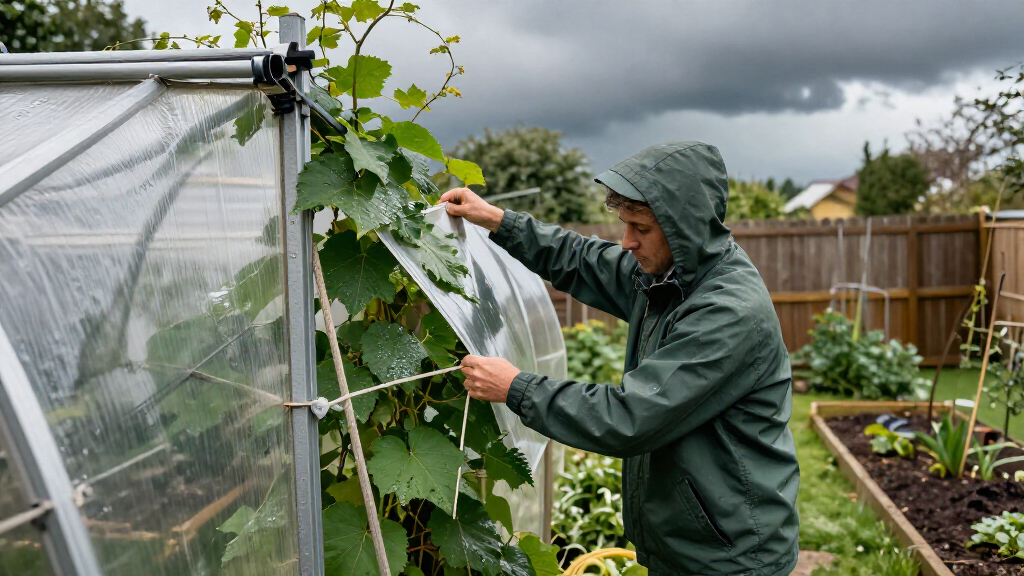
Garden buildings also need attention. Greenhouse doors and windows should be shut and secured, and loose panes checked and fastened with replacement clips or heavy-duty tape. The report advises locking shed doors; where there is no lock, a door can be braced shut with bricks or timber. Shed windows should be closed, and loose roofing felt secured so it is less likely to lift in high winds.
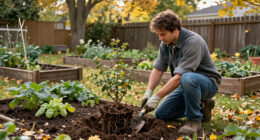
For plants that cannot be moved, the advice is to stake tall stems with bamboo canes, wooden stakes or metal poles. Soft, flexible ties can support stems while allowing some movement; the report suggests placing ties every 8 to 12 inches along a stem. It also advises checking trees before winter for broken branches or other visible hazards, particularly where trees overhang homes, driveways or walkways.
Reducing Hazards Before Winds Rise
Loose garden items can be blown into people, buildings or neighboring property, while unsecured greenhouse parts and shed doors may be damaged by gusts. Taking a few minutes to put objects away and check latches can reduce those avoidable hazards, especially when there is little time to prepare.
The steps are practical precautions, not a substitute for official severe-weather instructions or professional repairs. They may help limit damage, but the report does not claim that these tasks can prevent all storm-related losses. Gardeners should prioritize their own safety and avoid working outdoors once dangerous conditions begin.
heavy duty garden furniture wind straps outdoor storm tie down
As an affiliate, we earn on qualifying purchases.
As an affiliate, we earn on qualifying purchases.
A Short-Notice Garden Checklist
The source report frames the recommendations around storms that arrive with limited advance notice. Its approach is to address movable hazards first, then check buildings and plants that may be vulnerable to strong winds and heavy rain.
The article does not provide a named storm, a forecast, a location-specific warning or a measured assessment of how much damage the jobs prevent. It is a practical gardening report, rather than an announcement about a particular weather event.
“The best way to prepare your yard for a storm is securing anything loose that can blow around, keeping buildings safe, and protecting any vulnerable plants.”
— Homes & Gardens
soft plant ties and bamboo garden stakes for tall plants
As an affiliate, we earn on qualifying purchases.
As an affiliate, we earn on qualifying purchases.
Limits of the Quick Fixes
The source does not specify a storm forecast, wind speed, local conditions or how much time gardeners have before the weather arrives. Its claim that some tasks can be done quickly is not accompanied by timings for each job, so the headline’s five-minute framing should not be read as a verified duration for completing the full checklist.
It is also unclear how well the suggested measures perform in different storm conditions. Securing a pot or shed door may not protect it from exceptionally strong winds, flooding or structural failure. The report gives no product testing or comparative evidence for storage boxes, ties or other equipment.
greenhouse glazing clips replacement pane clips
As an affiliate, we earn on qualifying purchases.
As an affiliate, we earn on qualifying purchases.
Prioritize Safety and Forecasts
Gardeners facing an approaching storm can use the checklist to prioritize items most likely to blow away, then secure accessible doors, windows and vulnerable plants while conditions remain safe. They should follow local weather alerts and emergency guidance, and stop outdoor work if winds or other hazards make it unsafe.
After the storm, check the garden for fallen branches, damaged panes, loose roofing and unstable containers before using affected areas. The source report does not identify a follow-up event or a scheduled update; any further advice would depend on local conditions and official forecasts.
weatherproof garden storage box for cushions and small pots
As an affiliate, we earn on qualifying purchases.
As an affiliate, we earn on qualifying purchases.
Key Questions
What should I secure first before a storm?
Start with loose, lightweight objects such as toys, cushions, tools, parasols and ornaments. Store them indoors or in a secure shed or storage box to reduce the chance they will be blown around.
What should I do with garden pots and hanging baskets?
Move smaller pots to a sheltered indoor space if possible. Group larger pots against a wall, and take down hanging baskets and place them on the ground.
How can I secure a greenhouse or shed?
Close and secure greenhouse doors and windows, and check for loose panes. Lock shed doors, close windows and secure loose roofing felt. The report suggests bracing an unlatched shed door with bricks or timber.
How can I support tall plants in strong winds?
Use a stake suited to the plant and attach stems with soft, flexible ties. Homes & Gardens suggests placing ties every 8 to 12 inches along a stem.
Do these steps guarantee that my garden will avoid damage?
No. The report presents them as ways to reduce risk, not as a guarantee. Follow local weather guidance and do not work outdoors when conditions become dangerous.
Source: rss
Halloween Picks
halloween
As an affiliate, we earn on qualifying purchases.